







Follow WOWNEWS 24x7 on:



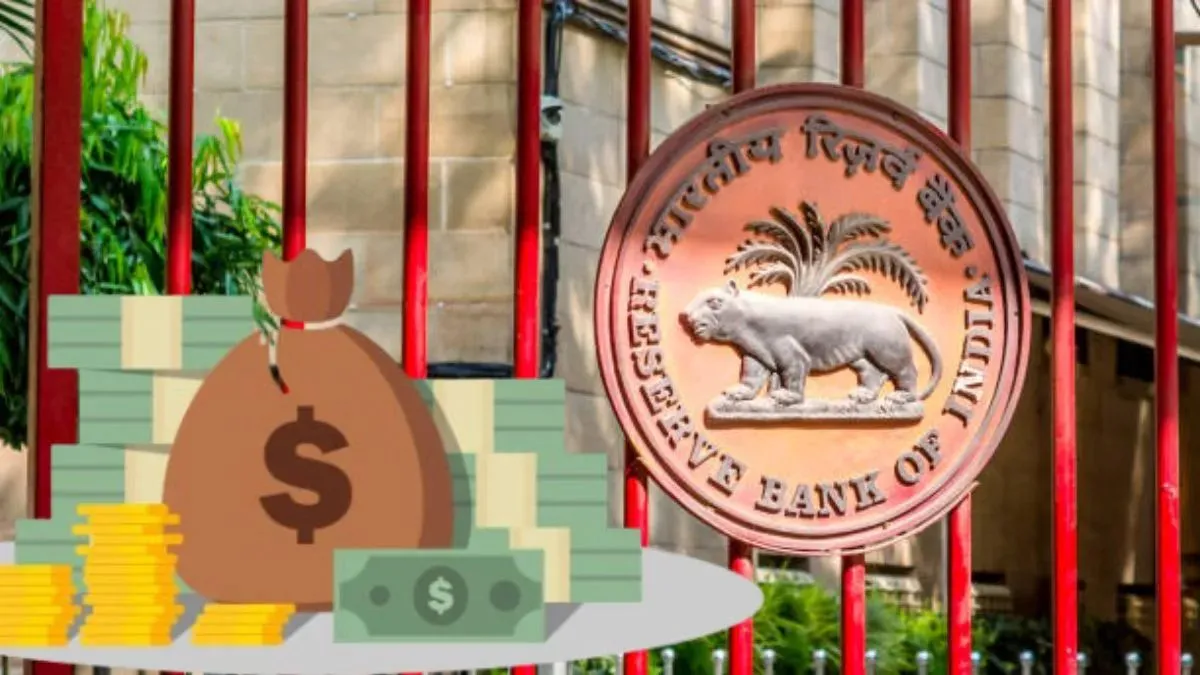
On December 1, 2025, traders indicated RBI was selling U.S. dollars to arrest the rupee’s slide after it hit 89.49/USD. Intervention helped stabilize the currency amid global headwinds, crude oil pressures, and capital outflows. Analysts expect calibrated RBI action to balance inflation risks with currency stability.
Show moreStay Ahead – Explore Now! Tamilnad Mercantile Bank Q2 Net Profit Rises to ₹3.18 Billion, Asset Quality Improves














Follow WOWNEWS 24x7 on:





Copyright 2024 WOWNEWS 24x7. All rights reserved. The WOWNEWS 24x7 is not responsible for the content of external sites. Read about our approach to external linking.
Powered By Just Imagine
