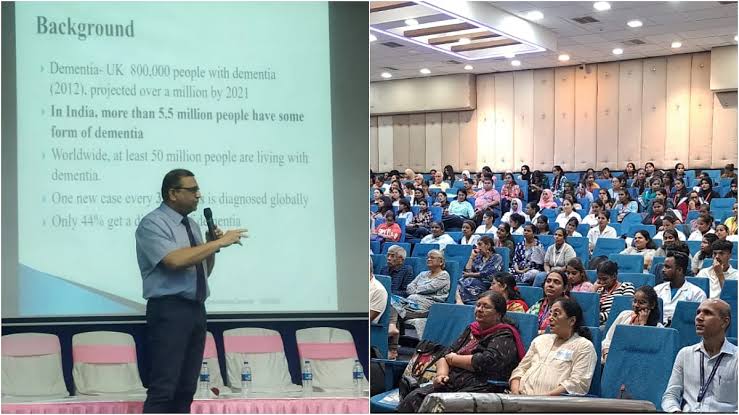
The city played host to an international gathering of experts, caregivers, and advocates, all united under the theme ‘Decoding Dementia: Research, Sociological Approach, and Pathways.’ The event, convened at Dr. B.M. Nanavati College of Home Science in collaboration with M.M.P. Shah Women's College of Arts and Commerce and Aaji Care Sevak Foundation, focused sharply on one radical proposal: the urgent need for dedicated schools for senior citizens as a community response to India’s fast-rising dementia crisis.
Introduction
With India’s elderly population surging and dementia cases projected to double in the next decade, gerontologists and mental health specialists used the platform to spark national debate and action for innovative elder care. More than 300 experts, delegates, and citizens attended the packed forum, with a clear message — active, socially-rooted programs can change the course of cognitive ageing.
Key Highlights
The conference saw participation from 340 delegates including academicians, NGOs, caregivers, and senior citizens, emphasizing a multi-disciplinary approach to dementia management.
Psychiatrist Dr. Nilesh Shah argued passionately for establishing ‘schools for senior citizens,’ where regular activities like physiotherapy, digital literacy, physical fitness, and brain exercise sessions would be integral parts of the curriculum.
Experts stressed the importance of stimulating environments to help mitigate the progression of dementia and other cognitive disorders among the elderly.
Discussions underscored the growing dementia burden: 8.8 million affected Indian seniors today, with a potential increase to 17 million by 2036.
Delegates emphasized that such schools can also help combat loneliness, improve mental health, and empower seniors to better navigate the digital age.
Addressing Legal and Caregiver Concerns
The legal framework supporting elder care was a central talking point. Advocate Nirmala Samant Prabhavalkar illuminated the legal responsibilities of children under the Maintenance and Welfare of Parents and Senior Citizens Act 2007, as well as provisions under the Mental Health Act 2017 and the Rights of Persons with Disabilities Act 2016.
In parallel, speakers, including Prasad Bhide from Aaji Care, highlighted the growing necessity of reliable caregivers and called for agencies to set stringent standards for dementia care recruitment.
Global Perspectives
Manacy Pai, Associate Professor at Kent University (USA) joined virtually, linking scientific advances with lived realities. She detailed how lifelong stress affects brain mechanisms, but also presented relationships and community engagement as cognitive assets — urging more local, non-hospital community care models.
Indian-American researcher Prajakta Padgaonkar shared device innovations supporting dementia patients, showcasing practical tools that can make everyday life more manageable.
Recommendations from the Conference
The forum’s leading voices advocated for:
Immediate pilot projects to set up senior citizen schools integrated with city infrastructure and supported by NGOs.
Expansion of dementia education to families and communities, not just to patients.
Legal reforms to sharpen accountability in eldercare provision.
Cross-disciplinary collaboration between medical, legal, academic, and social work professionals.
The Path Forward
This conference represents only the first step. Mumbai’s academic and caregiving communities are likely to push for new policies and resource streams to realise the concept of senior citizen schools. Implementation will rely on government, private sector, and civil society coming together for the holistic wellbeing of the elderly.
Today’s source: Free Press Journal