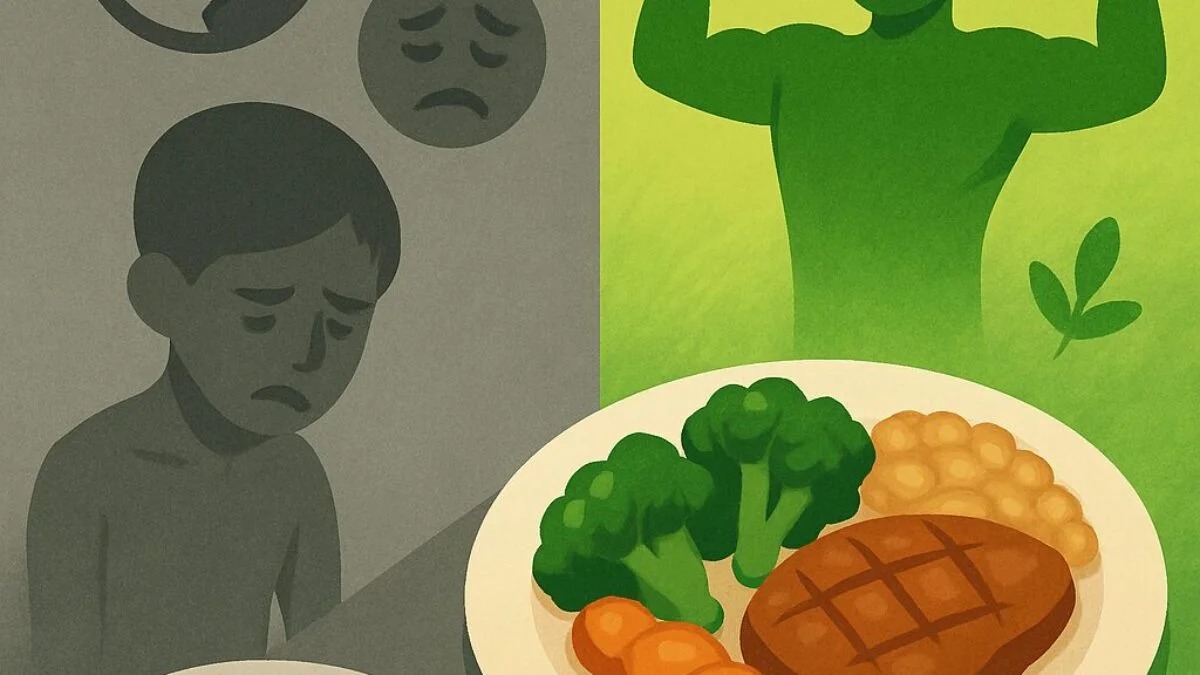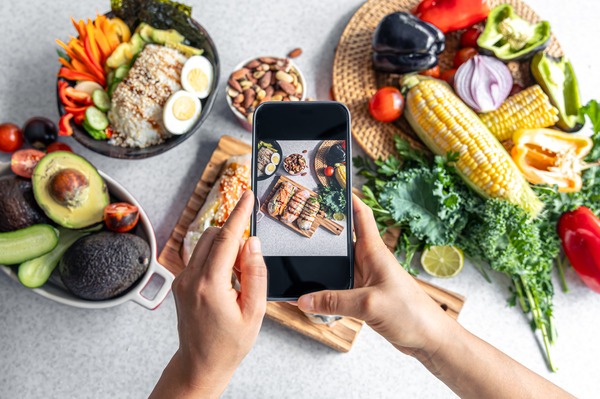

UK-based NHS surgeon Dr Karan Rajan has warned that starving yourself or following extreme diets to reduce bloating and cravings can actually worsen gut health. He explains that insufficient food intake disrupts digestion, increases bloating, and harms long-term wellness, urging moderation and balanced nutrition instead of restrictive routines.
The growing trend of extreme dieting and self-imposed starvation, often promoted as quick fixes for bloating or cravings, has come under sharp criticism from medical experts. Dr Karan Rajan, a well-known UK surgeon and health educator, has highlighted how these practices can do more harm than good, stressing that gut health thrives on balance rather than deprivation.
Key highlights from the announcement include
-
Dr Rajan warns that starving the body is the fastest way to damage gut health.
-
Extreme diets aimed at reducing bloating or cravings often lead to the opposite effect, worsening digestive discomfort.
-
Insufficient food intake disrupts the microbiome, leading to poor nutrient absorption and long-term health risks.
-
Bloating is commonly linked to irregular eating patterns, dehydration, and stress, not simply food quantity.
-
Dr Rajan suggests simple, zero-cost hacks such as spacing out meals and maintaining hydration to support digestion.
-
He emphasizes that balanced nutrition, including fiber-rich foods and moderate portions, is key to reducing bloating naturally.
-
Public health experts echo his views, warning that fad diets can trigger deficiencies in essential vitamins and minerals.
-
The advice comes amid rising popularity of restrictive diets on social media, which often mislead individuals seeking quick fixes.
Dr Rajan’s message underscores the importance of mindful eating and sustainable dietary habits. Rather than resorting to extreme measures, individuals are encouraged to adopt balanced nutrition, regular meal timings, and lifestyle changes that promote long-term gut health. His warning serves as a reminder that wellness is built on consistency, not deprivation.
Sources: Hindustan Times, Moneycontrol, Financial Express