Asia’s industrial giants are stepping into a new era of climate action. In a landmark move, a consortium led by Hatch and comprising ArcelorMittal Nippon Steel India, JSW Steel, Hyundai Steel, BHP, Chevron, and Mitsui & Co has launched a pre-feasibility study to explore the development of carbon capture, utilisation, and storage (CCUS) hubs across Asia. This initiative marks a rare cross-sector collaboration aimed at tackling emissions in some of the region’s most carbon-intensive industries.
Key developments and strategic intent
1. The consortium signed a memorandum of understanding (MoU) on August 7, formalising their commitment to assess CCUS opportunities across Asia
2. The study will focus on hard-to-abate sectors such as steel, cement, and chemicals, which collectively contribute a significant share of industrial CO₂ emissions
3. Hatch, an Australian engineering services firm, has been appointed as the project management officer. Technical guidance will be provided by the Global CCS Institute, McDaniel, and Pace CCS
Scope and objectives of the study
- The study aims to identify scalable CCUS applications that can be retrofitted into existing industrial infrastructure
- It will evaluate the feasibility of shared infrastructure for CO₂ capture, transport, and storage, including cross-border solutions
- Conceptual development strategies, cost and schedule estimates, and commercialisation pathways for multiple hubs will be delivered by the end of 2026
Why this matters: context and urgency
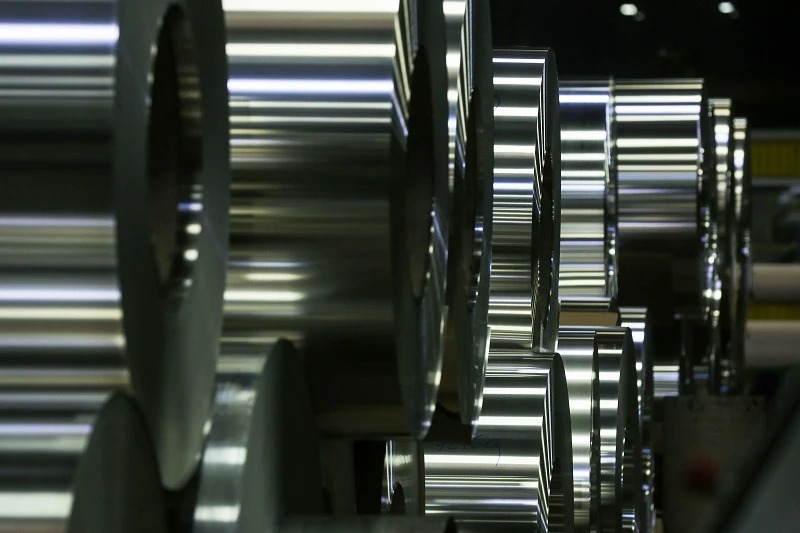
Asia produces over a billion tonnes of steel annually, much of it via blast furnaces that are relatively new but highly emissions-intensive. With limited low-carbon alternatives currently available at scale, CCUS offers a transitional pathway to decarbonise existing assets while newer technologies mature
Dr Ben Ellis, Vice President of Marketing Sustainability at BHP, noted that retrofitting CCUS into current steelmaking infrastructure could buy critical time for the industry to pivot toward greener production methods
Consortium composition and roles
- ArcelorMittal Nippon Steel India: A joint venture between two global steel leaders, focused on integrated flat carbon steel production
- JSW Steel: India’s largest private steelmaker, actively pursuing decarbonisation through modular carbon capture technologies
- Hyundai Steel: South Korea’s steel major, with a strong presence in blast furnace operations
- BHP: The world’s largest mining company, spearheading multiple CCUS ventures globally
- Chevron and Mitsui & Co: Key players in the energy and logistics value chain, bringing expertise in CO₂ transport and storage
- Hatch: Project lead, responsible for coordinating feasibility assessments and infrastructure design
Challenges and opportunities ahead
- Regulatory complexity remains a major hurdle, especially for cross-border CO₂ transport and storage. The consortium will examine policy frameworks and propose enabling conditions
- Market maturity varies across Asia, with some regions lacking the infrastructure or incentives to support CCUS deployment
- The consortium is open to additional industry participants, aiming to build a robust ecosystem that can accelerate adoption
Potential impact and long-term vision
- If successful, the study could lay the groundwork for Asia’s first industry-led CCUS hub network
- It may unlock commercial models for shared infrastructure, reduce the cost of carbon abatement, and catalyse regional cooperation
- The initiative aligns with broader climate goals, including net-zero targets and sustainable industrial development
This collaboration signals a pivotal shift in how Asia’s industrial heavyweights are approaching climate responsibility. By investing in CCUS, they are not only mitigating emissions but also future-proofing their operations in a carbon-constrained world
Source: The Business Times, BHP, Global CCS Institute
Stay Ahead – Explore Now!
No news available