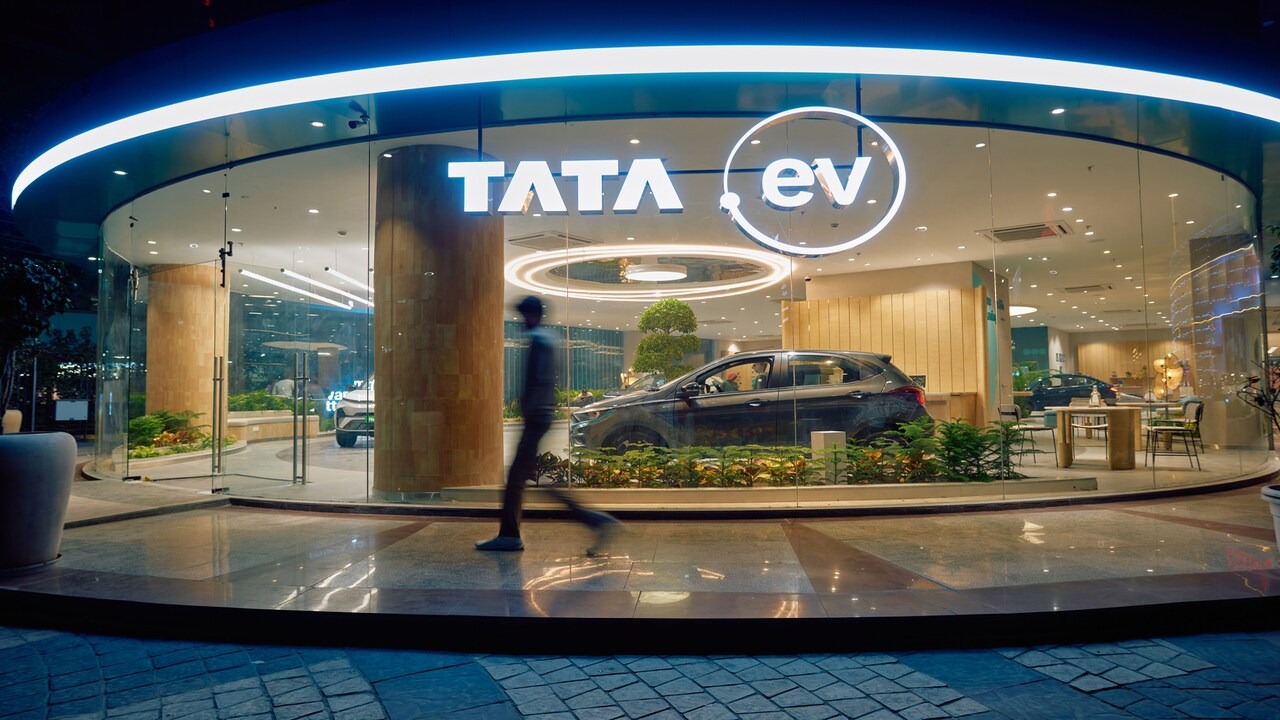
Tata Motors, a frontrunner in India’s electric vehicle (EV) market, has underscored the imperative of retaining the existing 5% Goods and Services Tax (GST) rate on passenger electric vehicles to sustain current sales growth and accelerate the transition to clean, zero-emission mobility. The company expressed concern over recommendations for upward GST revisions on EVs, warning that higher tax burdens could derail adoption rates and hinder India’s ambitious green mobility goals. Meanwhile, Tata Motors emphasized that with continued battery cost reductions, EV prices can approach parity with gasoline cars, but only if supportive tax policies remain intact.
Key Highlights Of Tata Motors’ Position On GST And EV Pricing
Tata Motors officials stressed that rising GST rates beyond 5% would undermine the affordability of EVs, slowing down consumer uptake during this critical growth phase.
The company pointed out that proposed tax cuts on some gasoline-powered cars would make them financially more attractive than eco-friendly EV alternatives, distorting market dynamics.
Advancements in battery technology and declining battery costs position EVs to be competitively priced against traditional gasoline cars, contingent on stable tax incentives.
The automaker’s leadership called for clarity and prompt government decisions to maintain GST at favorable rates to ensure sustainable industry momentum.
Tata Motors demonstrated confidence in India’s EV ecosystem and highlighted ongoing investments in product innovation, charging infrastructure, and manufacturing localization.
Economic And Environmental Impacts Of GST Policy Choices
GST rates significantly influence the total cost of ownership for EV buyers, directly impacting their purchasing decisions.
Higher GST on EVs contradicts national targets for reducing vehicular emissions and improving urban air quality.
Tax incentives on EVs are pivotal in encouraging behavioral shifts from fossil fuel reliance towards clean energy solutions.
Policy-induced price differentials between EVs and gasoline cars have broader implications on India’s climate commitments and energy security.
Tata Motors’ Strategic Efforts To Drive EV Adoption
The company is expanding its EV portfolio, offering diversified electric passenger vehicles across price segments tailored for Indian consumers.
Investments in battery technology, supply chain efficiencies, and digital solutions are aimed at improving affordability and user experience.
Tata Motors is enhancing charging infrastructure accessibility to alleviate range anxiety and support wider EV acceptance.
Local manufacturing and assembly initiatives align with government Make in India drives, reducing dependency on imports and promoting industry competitiveness.
Challenges Posed By Disparate Tax Treatment
Proposed GST hikes from 5% to 18% or higher on EVs priced between INR 20 lakh to 40 lakh could disproportionately affect mid- to high-end segments.
Simultaneous reductions in taxes for certain gasoline cars could skew consumer choices, undermining EV market growth.
Such disparities create market distortions that could stall India’s clean mobility transition and impact domestic manufacturers’ growth prospects.
Tata Motors urges a harmonized tax regime that fairly supports environmental priorities and industrial development.
Call For Policy Clarity And Stability
Clear, consistent, and supportive tax policies are essential to provide manufacturers and consumers with confidence in the EV market trajectory.
Regulatory clarity on GST rates, custom duties, and incentive structures can catalyze investment, innovation, and competition.
Stakeholder consultations involving industry experts, policymakers, and environmental advocates are critical to designing effective frameworks.
Expedited decisions on tax incentives could revive festive season sales momentum and sustain market optimism.
Outlook For India’s EV Market And Tata Motors’ Role
Maintaining the 5% GST rate on EVs is viewed as a crucial enabler for reaching targets of electrifying significant portions of India’s transportation fleet.
Tata Motors aims to leverage its product offerings and infrastructure investments to accelerate EV adoption nationwide.
The company anticipates continued policy dialogue and alignment to resolve emerging challenges and nurture clean mobility ecosystems.
Tata Motors remains committed to innovation, sustainability, and contributing to India’s vision for a greener, technology-enabled transportation future.
In conclusion, Tata Motors emphasizes that retaining the favorable 5% GST rate for passenger electric vehicles is vital for a successful EV revolution in India. Progressive tax policies, coupled with technological advancements in battery costs, can narrow the price gap between EVs and gasoline cars, enabling faster adoption and supporting the nation’s environmental and economic objectives.
Sources: Economic Times, NDTV Profit, Reuters, Business Standard, Moneycontrol, Auto Hindustan Times