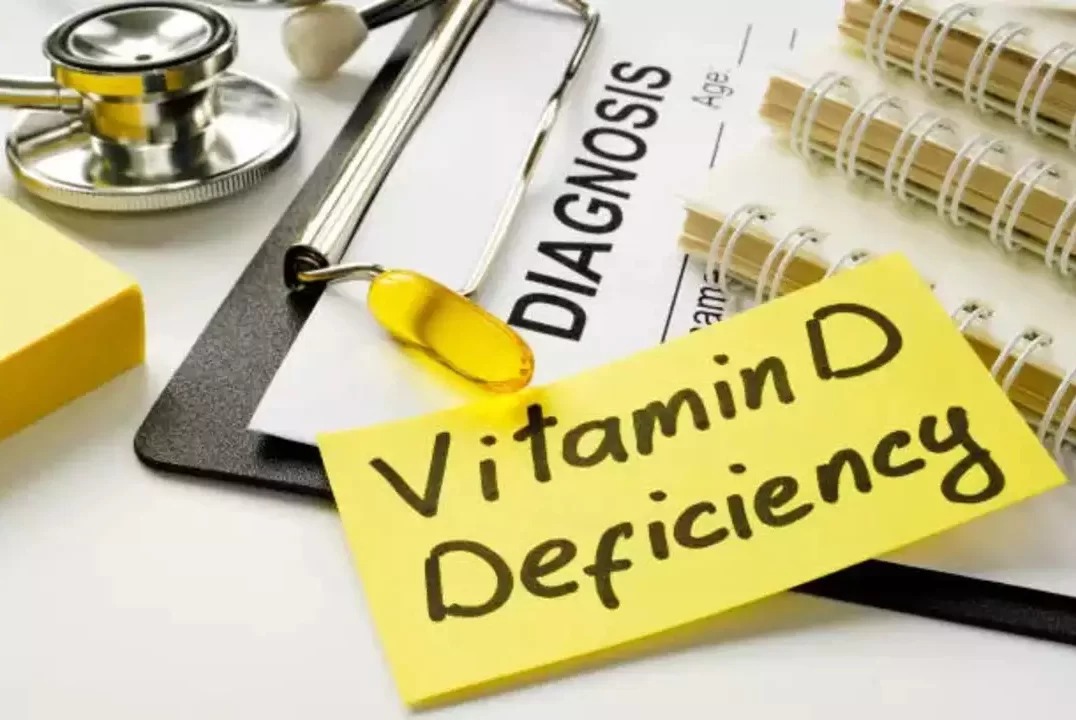

Recent psychological and medical studies reveal that Vitamin D deficiency can significantly worsen anxiety symptoms, making them feel twice as heavy. Researchers highlight that low Vitamin D levels impair neurotransmitter balance, reduce neuroplasticity, and weaken emotional resilience, linking nutrition directly to mental health outcomes.
Vitamin D, often called the “sunshine vitamin,” has long been associated with bone health and immunity. However, new research underscores its critical role in mental well-being, particularly in regulating anxiety. Studies published in Frontiers in Nutrition and ScienceInsights show that individuals with low Vitamin D levels are more likely to experience heightened anxiety, with symptoms appearing more intense and harder to manage.
The biological explanation lies in Vitamin D’s influence on the nervous system. Its receptors are widely distributed in the brain, where they help regulate neurotransmitters such as serotonin and dopamine. Deficiency disrupts this balance, leading to increased worry, tension, and emotional instability.
Key highlights from the announcement include
-
Vitamin D deficiency linked to heightened anxiety symptoms in adults.
-
Deficiency impairs neurotransmitter regulation, especially serotonin and dopamine.
-
Studies show low Vitamin D reduces neuroplasticity and resilience against stress.
-
Individuals with deficiency report anxiety symptoms feeling “twice as heavy.”
-
Research emphasizes nutrition as a critical factor in mental health.
-
Experts recommend awareness and monitoring of Vitamin D levels to support psychological well-being.
A cross-sectional study in the United States found that adults with insufficient Vitamin D had significantly higher rates of generalized anxiety disorder. Similarly, European research highlighted that supplementation improved mood stability and reduced anxiety severity in deficient individuals.
Psychologists argue that the findings highlight the invisible role of nutrition in mental health. While therapy and medication remain vital, addressing deficiencies like Vitamin D can provide a complementary pathway to relief.
As anxiety continues to rise globally, these insights reinforce the importance of holistic approaches—combining medical, psychological, and nutritional strategies—to build resilience and improve quality of life.
Sources: Springer Nature Link, Frontiers in Nutrition, ScienceInsights