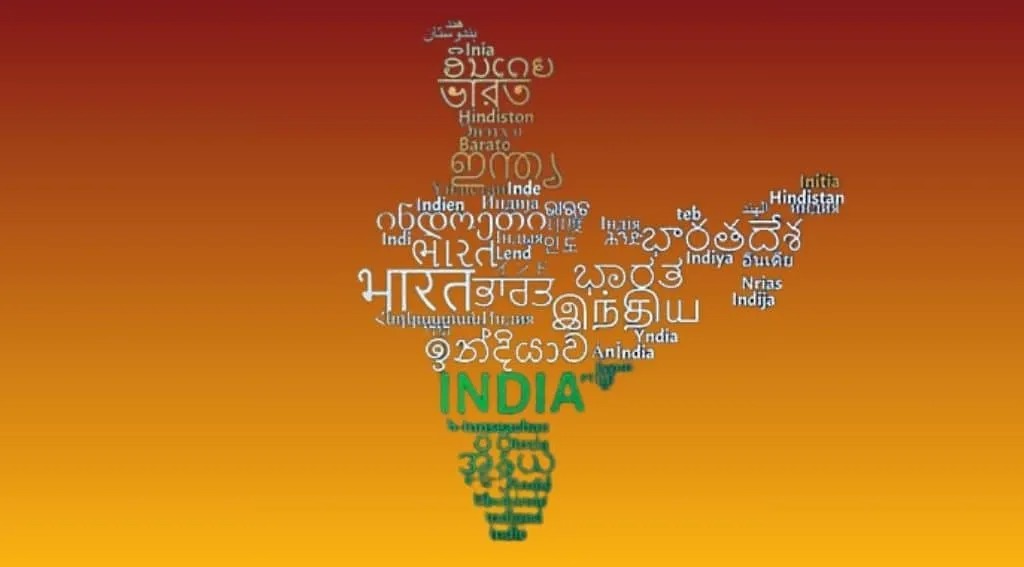




In the era of diverse languages, which is becoming the cornerstone of the nation's and people's culture and identity, multilingualism is proving itself to be an effective means for uniting a nation. By promoting cognitive capabilities and academic standards, it even creates cultural sensitization and brings social cohesion. Some of the major points based on the need for multilingualism are listed below:
Key Benefits of Multilingualism
Cognitive Enhancements: Learning several languages enhances brain functions like memory, attention, and problem-solving. It also postpones the onset of age-related cognitive decline, providing a "cognitive reserve" that advantages people throughout their lifespan.
Cultural Awareness and Empathy: Multilingualism exposes one to various cultures, promoting greater empathy and understanding. This cultural fluency is priceless in both personal and professional environments.
Scholarly and Professional Benefits: Multilingual education enhances scholarly achievements and provides access to a broad spectrum of career choices, especially in global business, diplomacy, and travel.
Education for Social Inclusion and National Unity: Education in multiple languages makes it possible for countries to provide equal access to education for all citizens, irrespective of their linguistic heritage. This strategy reinforces social cohesion and national unity by encouraging the mutual respect of various groups.
Maintenance of Language Diversity: Multilingual education facilitates the maintenance and revival of linguistic diversity, important for sustaining cultural identity and advocating linguistic rights.
New Trends in Multilingual Education
India's National Education Policy 2020: The policy stresses mother tongue-based multilingual education due to its cognitive as well as social advantages. The policy seeks to enhance classroom participation and rates of retention by learning languages in steps.
UNESCO's Advocacy: UNESCO is a keen supporter of multilingual education, particularly for minority languages, as it acknowledges its potential to enhance reading skills and lower drop-out rates.
In summary, multilingualism is not only a language ability but a very effective tool for creating more integrated, better societies. As countries adopt this strategy, they are likely to witness enhancement in cognitive power, cultural awareness, and social integration.
Source: Drishti IAS, Times of India, Business Standard, UNESCO Reports.