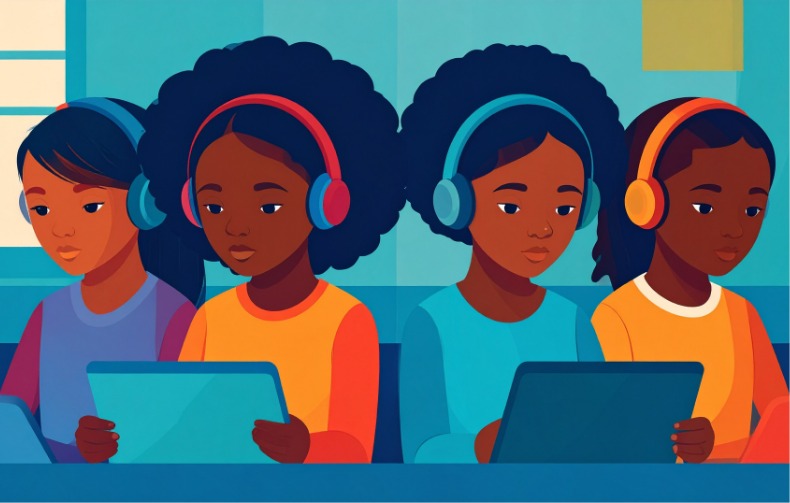









India’s classrooms are undergoing a transformation with a new education playbook that emphasizes human-first learning. Moving away from rote memorization, the focus is now on empathy, adaptability, communication, and problem-solving. This shift aligns with the National Education Policy 2025, preparing students for a dynamic, technology-driven global future.
India’s education system is entering a new phase where the traditional emphasis on grades and memorization is giving way to a more human-centric approach. The new education playbook, highlighted in recent discussions and policy updates, stresses that while machines can process data and even generate creative ideas, they cannot replicate empathy, trust, or emotional intelligence. These qualities are increasingly seen as essential for tomorrow’s leaders.
Key highlights from the announcement include
-
Classrooms are shifting from rote learning to collaborative problem-solving and critical thinking.
-
Teachers are encouraging students to engage in discussions, teamwork, and real-world applications of knowledge.
-
The playbook emphasizes empathy, adaptability, and communication as core skills for future success.
-
National Education Policy 2025 builds on NEP 2020, reinforcing inclusivity, creativity, and future-readiness in education.
-
India has been ranked as Asia’s third most powerful nation in terms of influence, underscoring the need for globally competitive education.
-
Human-centric learning is designed to prepare students for leadership roles in a world where emotional intelligence is as important as technical expertise.
-
The approach also addresses challenges posed by AI and automation, ensuring students remain relevant in a rapidly changing workforce.
This transformation reflects India’s broader vision of creating a future-ready education system that balances technological advancement with human values. By prioritizing empathy, adaptability, and collaboration, the new education playbook aims to nurture leaders who can think critically, act responsibly, and connect meaningfully with people.
The initiative is not only about preparing students for jobs but also about equipping them to navigate complex social and ethical challenges. As India continues to modernize its education framework, the human-first approach is expected to redefine classrooms, making them spaces of creativity, inclusivity, and emotional growth.
Sources: The Hans India, Ministry of Education Concept Note ABSS 2025, Buddy4Study NEP 2025 Update