
Image Source : ESPIRIDI - Substack
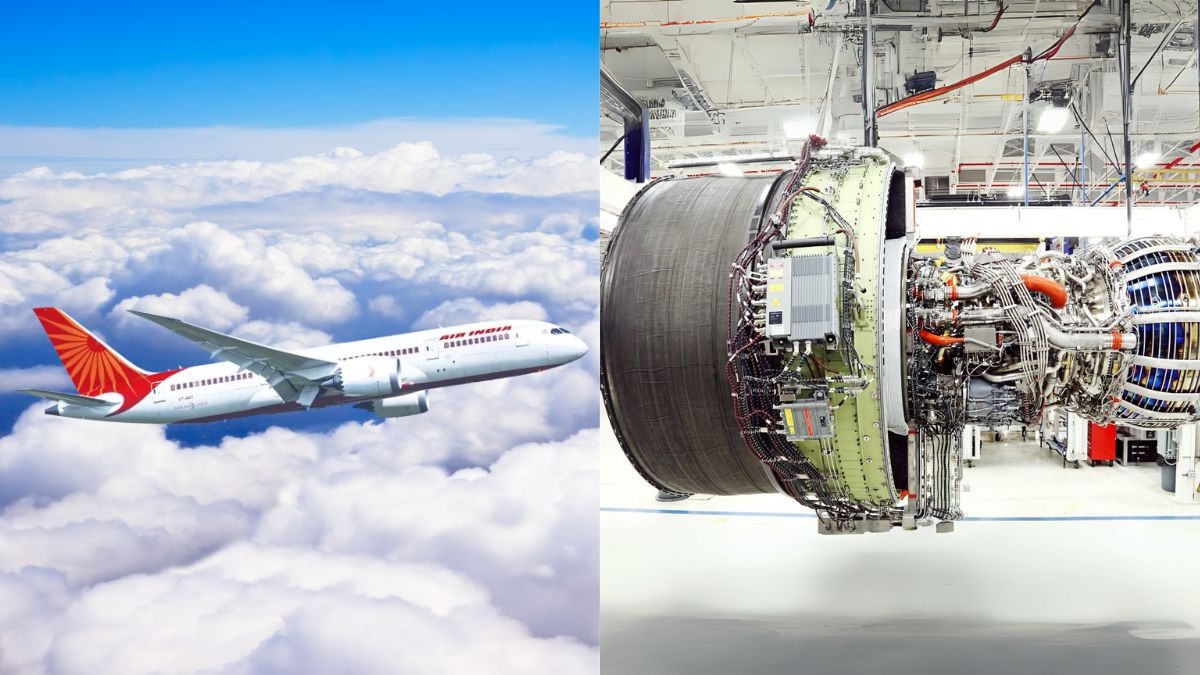
India’s commercial fleet, currently around 700 aircraft, is expected to surpass 2,000 within five years due to large orders from IndiGo, Air India, and Akasa Air. GE Aerospace’s Vikram Rai emphasized that global engine MROs will only establish dedicated facilities once India reaches this critical mass, ensuring sustainable business operations.
Show more
India’s aviation industry is expanding at unprecedented speed, positioning the country as the world’s third-largest aviation market. Yet, despite this growth, global engine MRO players remain hesitant to set up shop. According to Vikram Rai, CEO of GE Aerospace (South Asia), scale is the decisive factor.
Key Highlights:
-
Current fleet size: About 700 commercial aircraft in India.
-
Projected growth: Orders from IndiGo, Air India, and Akasa Air could push the fleet beyond 2,000 aircraft in five years.
-
MRO requirements: Jet engines typically need overhauls after 5,000 flight hours or 3,000 cycles, taking 60–90 days.
-
Business viability: Dedicated MRO facilities require 2,000–2,500 aircraft to operate at rolling capacity.
-
Global hesitation: Despite India’s market size, most engine and component MRO work is still outsourced overseas.
-
Policy backdrop: Industry experts highlight the need for infrastructure, certification recognition, and reforms to attract global MRO investments.
India’s aviation growth story is undeniable, but without reaching the critical fleet threshold, global MROs will continue to wait before committing to local facilities.
Sources: Financial Express, The Economic Times, KPMG–FICCI Report
Stay Ahead – Explore Now!
NASA and IBM Collaboration Delivers New Tool for Solar Flare Forecasting

Advertisement
Advertisement