
Scientists have achieved a major breakthrough in predicting solar flares, which pose risks to satellites, GPS, and communication systems. Using advanced AI models trained on NASA’s Solar Dynamics Observatory data, researchers can forecast solar activity hours in advance, offering critical protection against space weather disruptions and safeguarding global infrastructure.
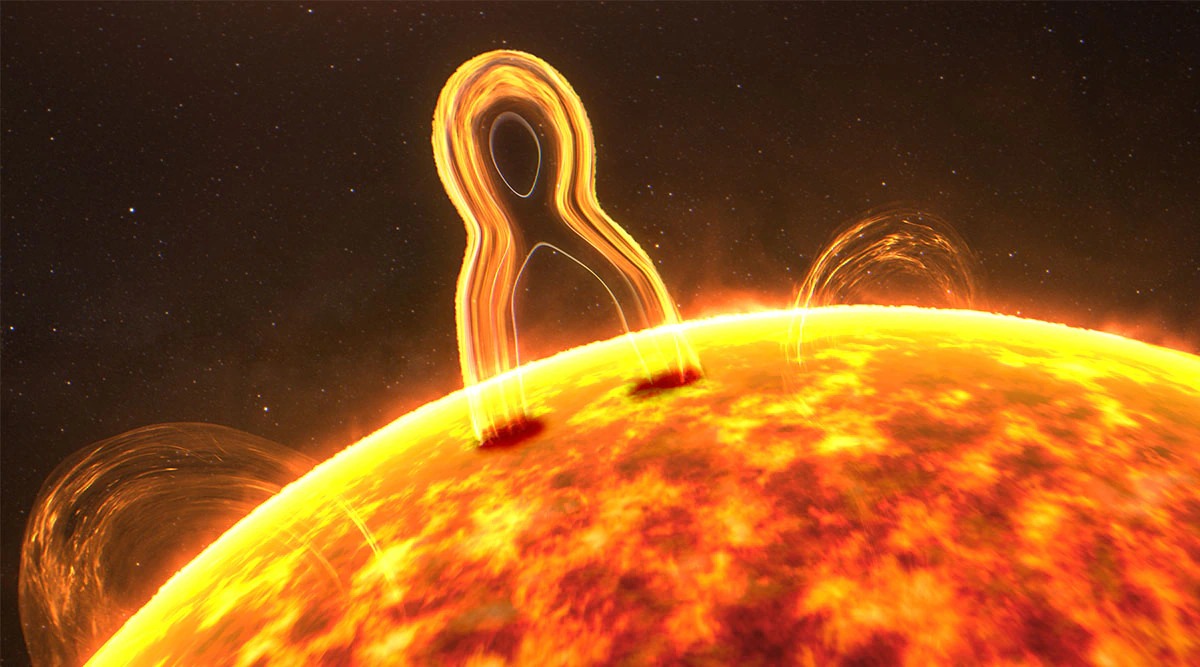
In a landmark development, researchers at NASA and IBM have unveiled an advanced AI-powered heliophysics model capable of predicting solar flares before they strike Earth. Solar flares intense bursts of radiation from the Sun can disrupt satellite operations, GPS navigation, communication networks, and even power grids. Until now, forecasting these events with precision was a major scientific challenge.
The new AI model, trained on years of solar imagery, can anticipate the Sun’s activity hours ahead, providing early warnings of dangerous flares and coronal mass ejections (CMEs). This breakthrough is expected to revolutionize space weather forecasting, enabling governments, telecom operators, and aerospace industries to prepare for potential disruptions.
Key Highlights:
-
Breakthrough Technology: AI model developed by NASA and IBM predicts solar flares.
-
Data Source: Trained on NASA’s Solar Dynamics Observatory imagery.
-
Impact: Protects satellites, GPS, communication systems, and power grids.
-
Advance Warning: Forecasts solar activity hours before flares occur.
-
Global Significance: Enhances resilience against space weather threats.
This innovation marks a critical step toward securing modern infrastructure against solar storms, ensuring greater reliability in communication and navigation systems worldwide.
Sources: NASA Science; New Scientist; Observer Voice