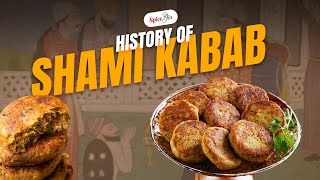




Shami Kebabs, a culinary delight beloved across South Asia, have origins debated across histories and cultures. Some trace the name to “Shaam,” referring to evening or dinner, while others believe it’s derived from “Bilad al-Sham,” ancient Syria. This culinary debate highlights the kebab’s regal legacy and multicultural influences.
Shami Kebabs, known for their crispy exterior and melt-in-the-mouth softness, have a fascinating and contested origin story captivating food enthusiasts online. Culinary historians note multiple etymological explanations: one from Persian and Urdu “Shaam,” meaning evening or dinner, and another linking the kebab to “Bilad al-Sham,” the historical Arabic term for Syria.
The dish is believed to have arrived in the Indian subcontinent during the Mughal era, brought by Muslim cooks from the Middle East who infused their regional spices and techniques. In Lucknow’s Nawabi kitchens, the kabab was innovated by a chef for a toothless Nawab, creating a soft patty requiring minimal chewing.
Some locals also attribute the name to the village of Sham Churasi in Punjab, while others connect it to the floral scent of “shamama” incense, adding to the mystique.
Today, Shami Kabab is especially popular during festive occasions like Eid and Ramadan Iftar, typically served with mint chutney and onions, making it an enduring cultural and culinary tradition that bridges history, geography, and gastronomy.
Key Highlights:
Name “Shami” possibly derived from Persian/Urdu “Shaam” (evening) or “Bilad al-Sham” (Syria).
Introduced during Mughal era by Middle Eastern cooks migrating to Indian royal kitchens.
Created for toothless Nawab in Lucknow, resulting in its signature tender texture.
Alternate theories link origins to Punjab’s Sham Churasi village or “shamama” incense scent.
Popular at Eid and Ramadan Iftar celebrations across South Asia.
Represents fusion of Middle Eastern and South Asian culinary heritage.
Sources: Wikipedia, Slurrp, Instagram posts by culinary historians, NDTV Food, Rana Cooking School