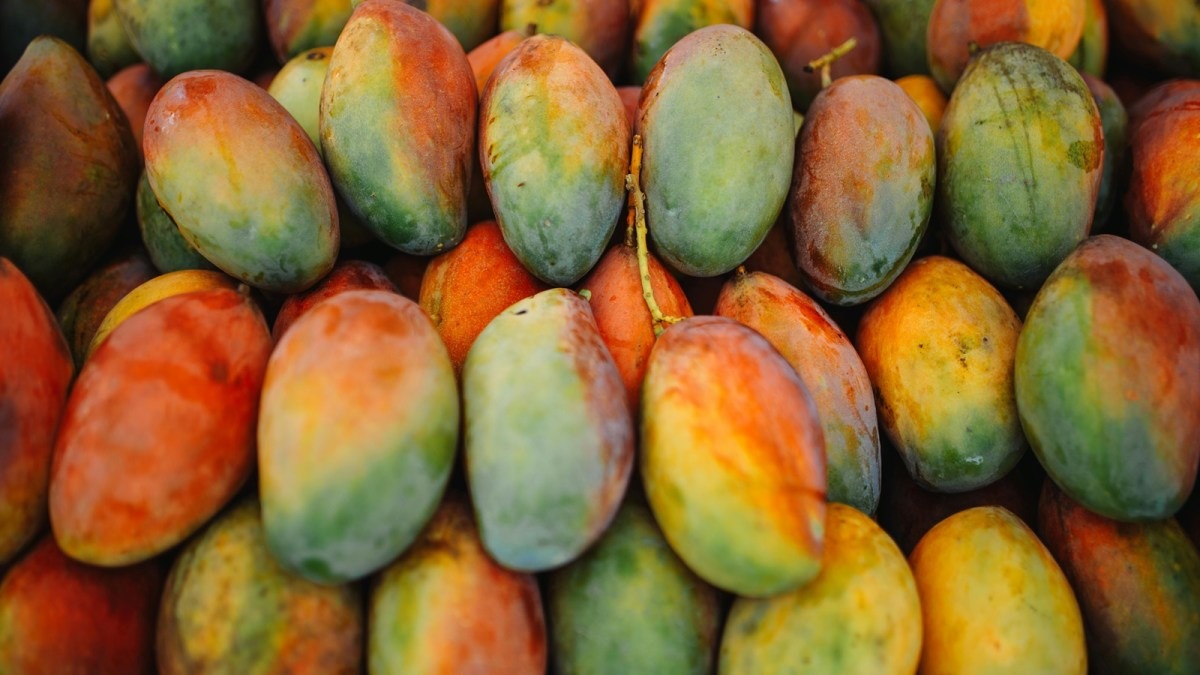





Image Source : The Indian Express
Mangoes often fall before ripening due to environmental stress such as drought, heat, or poor nutrition. Trees redirect sugars to roots and trunks for survival, releasing stress hormones that weaken fruit attachment. This premature drop causes major economic losses for growers and impacts food security, highlighting the need for scientific interventions.
Show more
Each mango season, growers face the frustrating sight of fruits falling before they ripen. This phenomenon, known as premature fruit drop, is not just a horticultural issue but also an economic and environmental challenge. With mangoes being a high-value crop globally, understanding the science behind early fruit fall is crucial.
Key Highlights / Important Points:
-
Environmental Stress: Drought, extreme heat, or poor soil nutrition trigger stress in mango trees.
-
Sugar Redirection: Under stress, trees stop sending sucrose to fruits and instead store it in roots and trunks for survival.
-
Hormonal Response: Stress hormones dissolve cell walls at the fruit’s stem, causing mangoes to detach prematurely.
-
Economic Impact: In some regions, less than 0.1% of mangoes reach maturity, costing growers millions annually.
-
Global Significance: With BRICS+ nations and others relying on mango exports, premature drop affects food security and farm profitability.
-
Scientific Solutions: Research into molecular biology, better irrigation, and nutrient management is helping reduce losses and stabilize yields.
Premature mango fall is a reminder that climate resilience and scientific innovation are essential for sustaining agriculture in the face of rising environmental pressures.
Sources: NDTV, Phys.org, Life Technology
Stay Ahead – Explore Now!
Understanding Premature Mango Fall: How Stress and Environment Affect Ripening
Advertisement
Advertisement