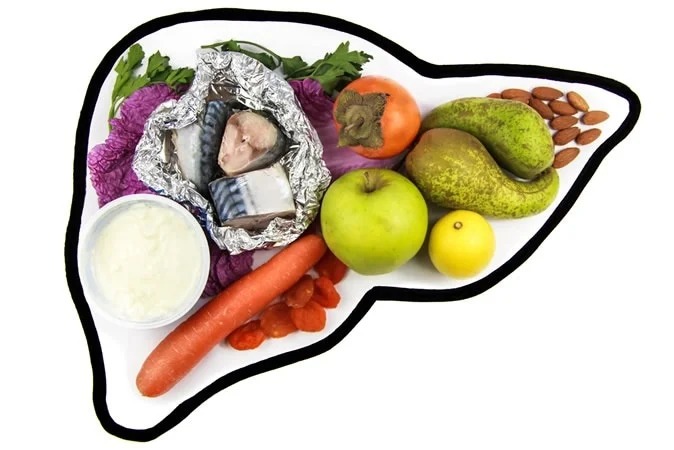

Doctors and nutrition experts highlight that certain vegetables can naturally aid fatty liver recovery by improving liver function, reducing inflammation, and supporting detoxification. Cruciferous and leafy greens, along with fiber-rich options, are particularly effective. Adding these vegetables daily can complement lifestyle changes and promote long-term liver health.
Fatty liver disease, especially non-alcoholic fatty liver disease (NAFLD), has become increasingly common due to sedentary lifestyles and poor dietary habits. While medication may be required in severe cases, nutritionists emphasize that dietary changes can play a crucial role in reversing early-stage fatty liver. Vegetables rich in antioxidants, fiber, and phytonutrients are particularly beneficial in supporting liver recovery.
Key highlights from the announcement include
-
Broccoli and Brussels sprouts are known to boost liver detox enzymes, helping reduce fat accumulation.
-
Spinach and kale provide antioxidants and chlorophyll, which protect liver cells from oxidative stress.
-
Beetroot supports natural detoxification processes and improves blood flow, aiding overall liver function.
-
Carrots, rich in beta-carotene, help reduce inflammation and support regeneration of liver tissue.
-
Garlic and onions contain sulfur compounds that enhance liver enzyme activity and reduce fat buildup.
-
Cabbage and cauliflower are fiber-rich cruciferous vegetables that promote digestion and reduce liver strain.
-
Rugda mushrooms and other locally foraged vegetables in India have traditionally been used to support liver health.
-
Nutritionists stress that these vegetables should be consumed as part of a balanced diet, alongside regular exercise and reduced intake of processed foods.
Experts caution against relying on so-called “liver detox” products, noting that there is no scientific evidence supporting their effectiveness. Instead, incorporating natural vegetables into daily meals provides sustainable benefits without side effects.
The growing prevalence of fatty liver disease in India and globally underscores the importance of preventive nutrition. By adding these vegetables to the diet, individuals can take proactive steps toward recovery and long-term liver wellness.
Sources: Hindustan Times, Times of India, Moneycontrol