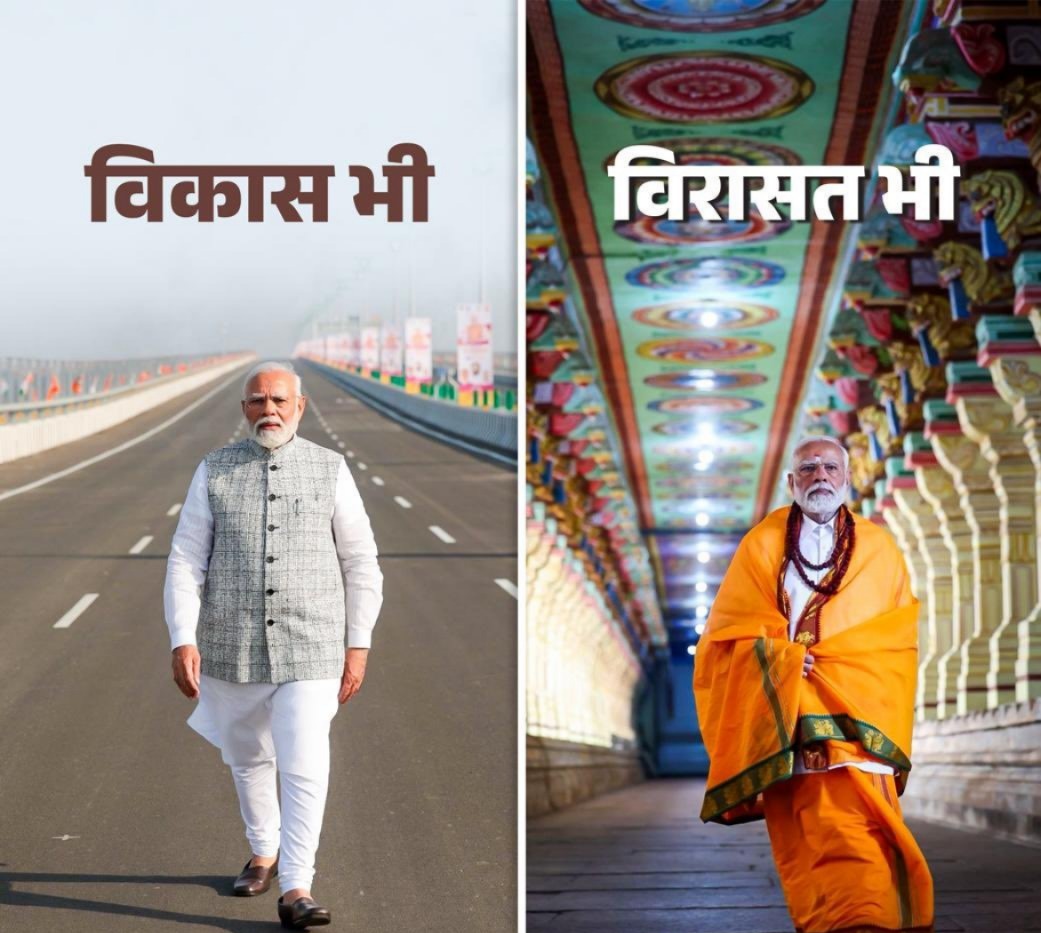

Prasenjit K. Basu’s book “India Reborn: The Epic Story of a Civilisation’s Rebound from Two Centuries of Decline” explores how India’s journey from colonial decline to modern resurgence reflects both heritage (virasat) and development (vikas). The narrative highlights India’s cultural continuity alongside economic and political transformation in recent decades.
India’s civilisational journey is being re-examined through the lens of both tradition and progress. In his book “India Reborn,” economist and author Prasenjit K. Basu argues that India’s rise is not a sudden miracle but the result of centuries of resilience and a deliberate push toward modernization. The work traces India’s decline during colonial rule, its gradual rejuvenation under leaders like P.V. Narasimha Rao, and the moral regeneration under Prime Minister Narendra Modi.
The book emphasizes that India’s civilisational rebound is rooted in balancing virasat (heritage) with vikas (development), ensuring that cultural identity remains intact while embracing global economic opportunities.
Key Highlights
-
India’s decline between 1757 and 1990 is framed as a civilisational setback
-
Economic liberalization under Rao marked the beginning of resurgence
-
Modi’s leadership is presented as moral and cultural regeneration
-
Heritage and development are positioned as twin pillars of India’s rise
-
India’s civilisational continuity is seen as central to its global role today
Future Outlook
Basu’s narrative suggests that India’s civilisational rebound will continue to shape its economic and political trajectory, positioning the country as a major global power while retaining its cultural essence.
Sources: Times of India, India Reborn by Prasenjit K. Basu