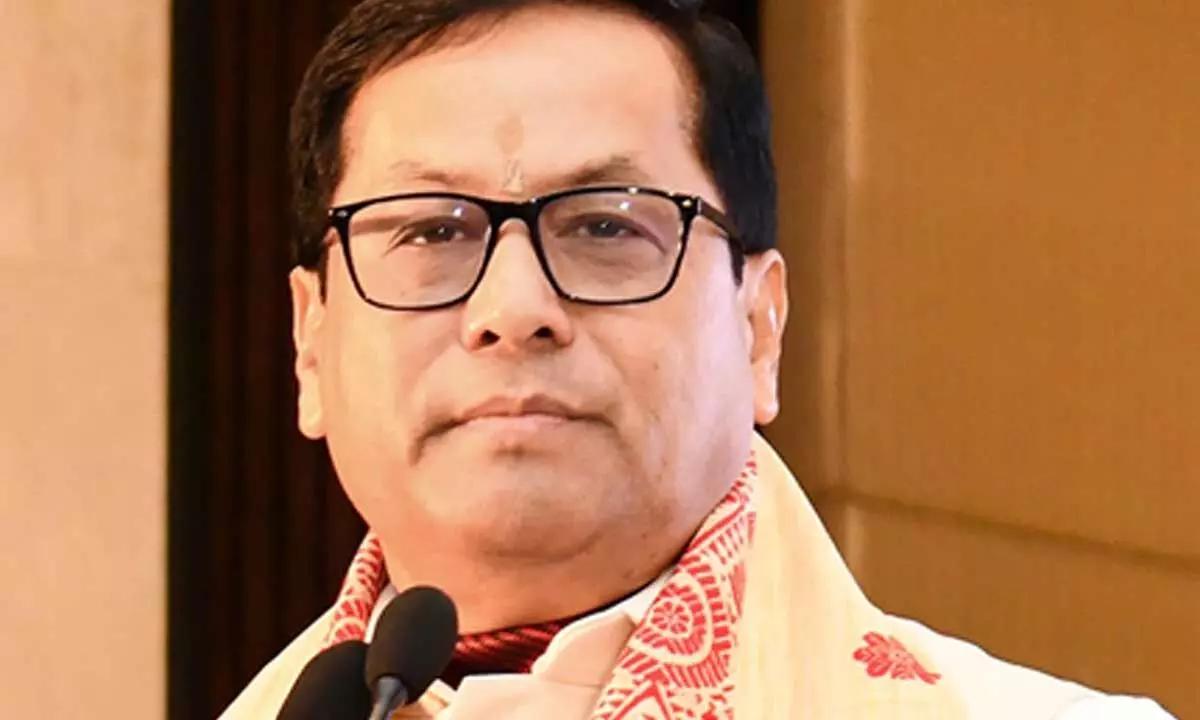

Union Communications Minister Jyotiraditya Scindia has stated that the 10‑year AGR moratorium granted to Vodafone Idea is based strictly on a Supreme Court ruling, making it a special case. Other telecom operators seeking similar relief must pursue the same legal route, as the decision does not automatically extend to them.
India’s telecom sector is once again in the spotlight after Union Communications Minister Jyotiraditya Scindia clarified that the adjusted gross revenue (AGR) relief granted to Vodafone Idea is not a blanket policy for all operators. Speaking to the media, Scindia emphasised that the government’s decision to offer a 10‑year moratorium on AGR dues was rooted entirely in a Supreme Court judgment, which recognised Vodafone Idea as a special case due to its financial condition and market role.
Responding to reports that other major telecom companies are seeking similar concessions, Scindia noted that no automatic extension of relief is possible. Any operator wishing to obtain comparable treatment must follow the same judicial pathway, rather than relying on administrative parity.
He also highlighted broader sectoral developments, including BSNL’s turnaround efforts and India’s ambitions in 4G saturation and 6G innovation, signalling a forward‑looking telecom roadmap.
Key Highlights / Major Takeaways
Vodafone Idea’s AGR relief is based solely on a Supreme Court ruling
10‑year moratorium granted as a special case, not a sector‑wide policy
Other telcos must pursue legal channels to seek similar relief
Government has not received formal requests from other operators yet
Scindia also referenced BSNL’s turnaround and India’s 6G roadmap
Conclusion
Scindia’s clarification draws a firm line between judicially guided relief and policy‑driven concessions. As the telecom sector navigates financial pressures and technological transitions, the government’s stance underscores the importance of legal due process and case‑specific evaluation.
Sources: Economic Times, The Tribune, NewKerala, ANI News