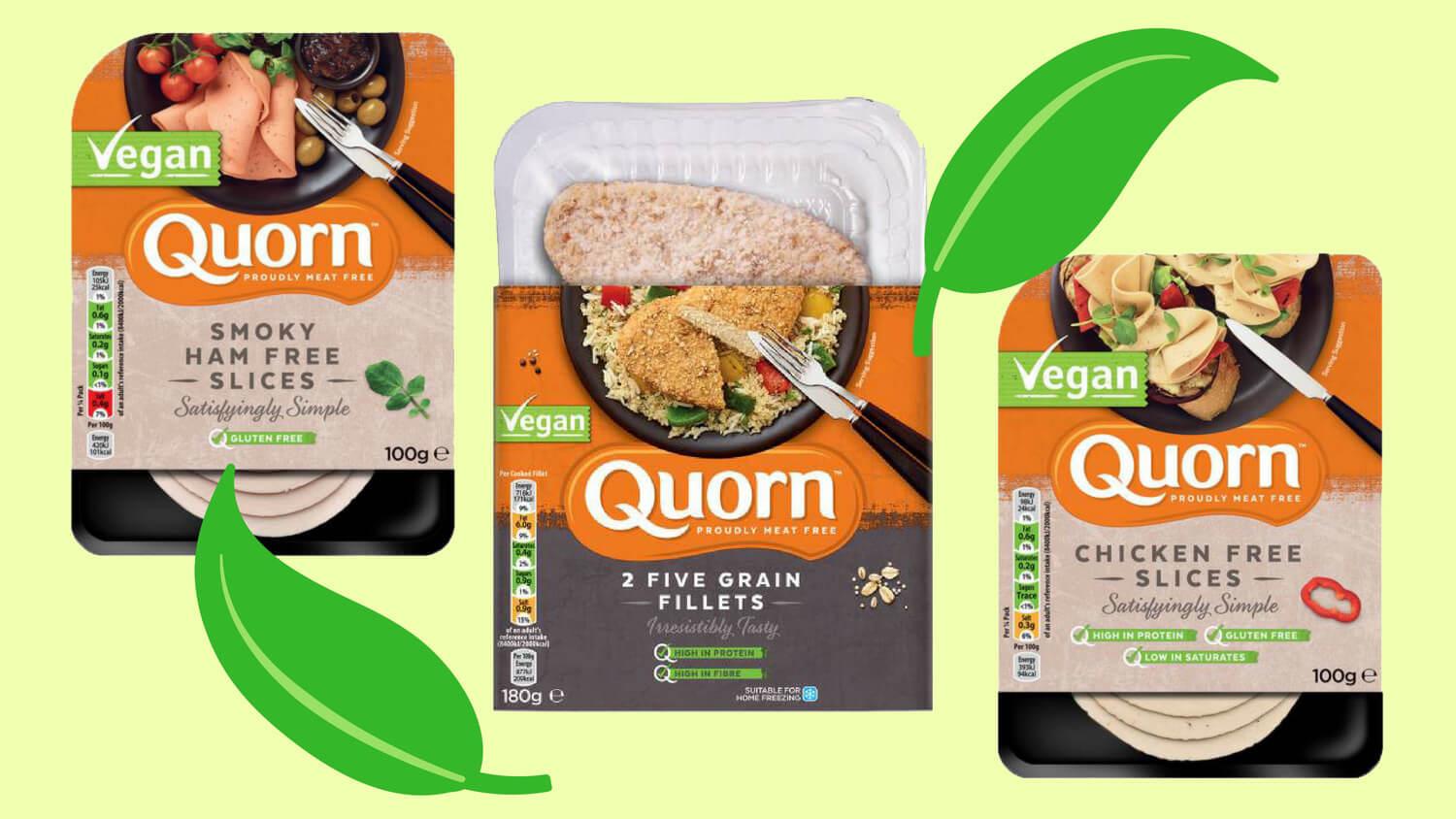

Quorn, the UK-based mycoprotein innovator, is entering 2025 with renewed momentum. Backed by an £18M capital injection, a new CEO, and a playful pop-culture marketing push, the brand aims to expand its global footprint while reinforcing its sustainability credentials. Once a niche experiment, Quorn is now a billion dollar disruptor.
Quorn’s journey is unlike any other in the food industry. Born from a 1960s discovery of a fungus (Fusarium venenatum) that could be cultivated into protein, Quorn transformed this scientific curiosity into a global food brand. Officially launched in the 1980s, it pioneered mycoprotein-based meat alternatives, decades before plant-based diets became mainstream.
By 2025, Quorn is sold in 20+ countries, with annual revenues surpassing $1B. Owned by Monde Nissin through Marlow Foods, the brand has faced challenges in recent years, including declining supermarket sales. But with fresh investment and a revitalized strategy, Quorn is staging a comeback.
Notable Updates
Capital Injection: Quorn secured £18M in new funding to stabilize finances and fuel growth.
Leadership Change: New CEO David Flochel has taken the reins, signaling a turnaround strategy.
Marketing Push: Quorn’s 2025 campaign blends pop culture with purpose — including playful tie-ins with blockbuster films and cheeky “Mission Snack Swap” ads.
Sustainability Milestone: Since 2012, Quorn has reduced emissions per tonne of production by 87%, reinforcing its eco-friendly positioning.
Major Takeaways
Unique Origin: Unlike soy or pea-based rivals, Quorn’s protein comes from a fungus discovered by accident, giving it a scientific edge.
Global Reach: With products in 20+ countries, Quorn remains one of the most widely distributed meat alternatives.
Revival Strategy: The combination of fresh capital, new leadership, and bold marketing suggests Quorn is gearing up for renewed growth.
Sustainability Advantage: Quorn’s long-standing eco commitments position it well as consumers demand climate conscious food choices.
Important Points for Readers
Consumer Impact: Choosing Quorn supports reduced carbon emissions and sustainable protein innovation.
Industry Pressure: Rivals like Beyond Meat and Impossible Foods rely on soy/pea proteins, but Quorn’s unique formula remains unmatched.
Future Outlook: With its revival strategy, Quorn could expand into new product categories potentially seafood or dairy alternatives while leveraging its scientific roots.
Why This Matters
Quorn’s story is a reminder that science-driven innovation can reshape global diets. What began as a fungus in a lab has become a billion-dollar empire, proving that sustainability and creativity can scale. As the plant-based market matures, Quorn’s revival strategy could set the tone for the next wave of food disruption.
Sources: Quorn Sustainability Initiatives, Plant Based World Pulse, Vegconomist