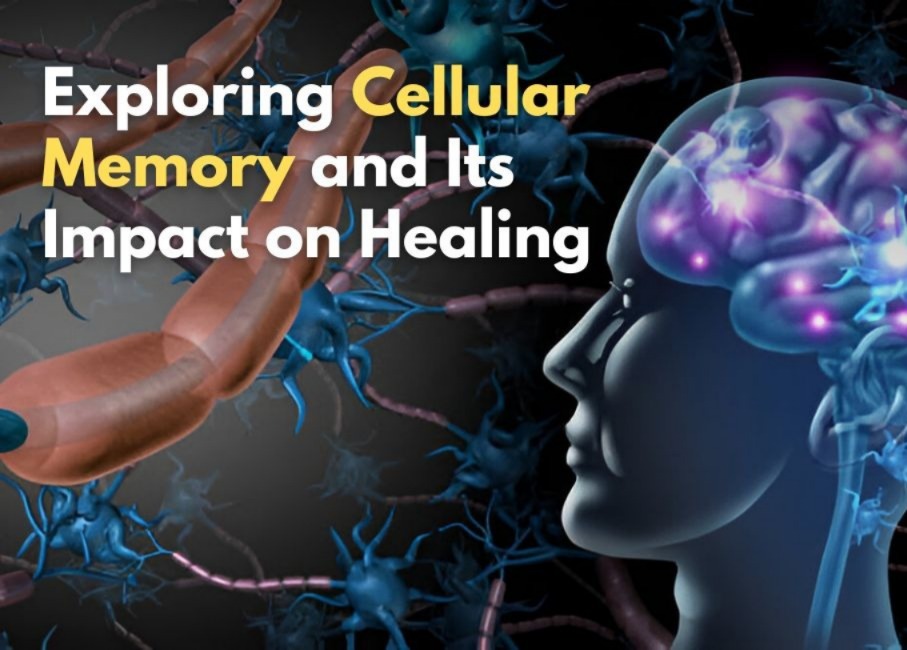






Emerging scientific discussions suggest that human cells may retain memory, hinting at a form of distributed consciousness throughout the body. This idea challenges traditional neuroscience and opens new perspectives on healing, awareness, and human potential. Insights from meditation practices highlight how cellular intelligence may respond to emotional and spiritual states.
On March 6, 2026, researchers revisited the concept of cellular memory, proposing that cells hold information beyond genetic coding. This theory suggests that consciousness may not be limited to the brain but could extend across the body, with each cell contributing to awareness and perception. Such a view could transform medicine, psychology, and spirituality by redefining how we understand memory and healing.
Meditative traditions emphasize that awareness flows through the entire body, not just the mind. When cells “remember,” they respond to both physical and emotional stimuli, reinforcing the idea that transformation begins at the cellular level. This perspective aligns with scientific theories of distributed intelligence, suggesting that kindness, mindfulness, and conscious living can awaken deeper cellular responses.
By integrating science with meditative practices, the idea of cellular memory offers a holistic framework for health and human growth. It encourages us to see the body not as a passive vessel but as an active participant in consciousness.
Key Highlights
-
Cells may retain memory beyond genetic coding
-
Consciousness could extend throughout the body
-
Meditative practices emphasize cellular awareness
-
Mindfulness and kindness awaken deeper intelligence
-
Potential implications for medicine, psychology, and spirituality
-
Healing may begin at the cellular level through awareness
Sources: Scientific American, Nature Neuroscience, The Hindu, Books by Mahesh Toshniwal (ASK, NOW)