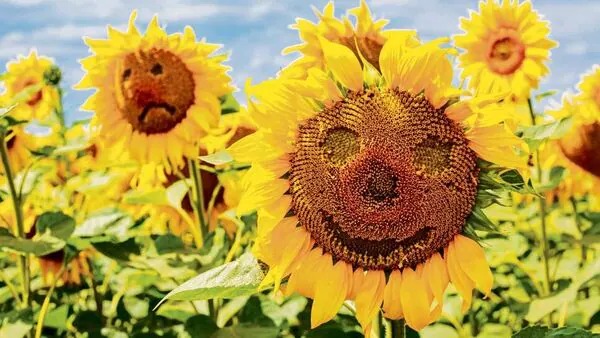

Flower emojis have quietly bloomed into a new digital language, replacing hearts as the go-to symbol of care and connection. Emerging during the pandemic, they now represent everyday affection, positivity, and personality in online conversations, reshaping how people express emotions across platforms and cultures.
Origins Of The Trend
The rise of flower emojis began during the pandemic, when users sought fresh ways to express warmth and optimism. With hearts often feeling too intense or overused, flowers became a softer, more versatile alternative, quickly spreading across social media and messaging platforms.
Cultural Shift In Digital Language
Flower emojis are now part of a broader move toward diverse, less conventional symbols in online communication. They allow users to personalize interactions, convey subtle emotions, and add positivity to everyday exchanges. This shift reflects the growing importance of visual vocabulary in shaping modern digital culture.
Key Highlights
-
Flower emojis are increasingly used as subtle expressions of care and everyday affection
-
The sunflower emoji gained popularity as a brighter alternative to the heart
-
Users view flower emojis as a way to personalize digital interactions and convey positivity
-
The trend reflects a broader move toward diverse, less conventional symbols in online communication
-
Flower emojis are now part of a growing “visual vocabulary” shaping modern digital culture
Impact And Reflection
The popularity of flower emojis highlights the evolving nature of online language. They offer a softer, more versatile way to connect, signaling a shift toward nuanced digital expression. As emoji culture expands, flowers are becoming a universal shorthand for kindness, optimism, and individuality.
Sources: Mint, Magzter, iStock