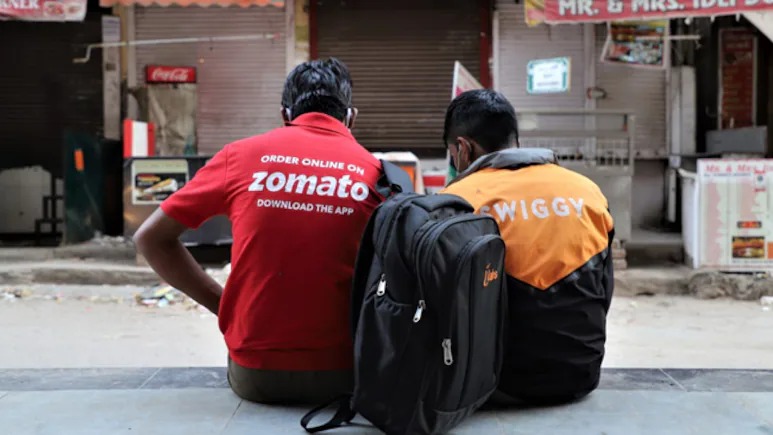
Food delivery giants Zomato and Swiggy have announced a hike in gig workers’ payouts following calls for a strike on New Year’s Eve. The move aims to ease tensions with delivery partners, who have raised concerns over low earnings, long working hours, and rising operational costs.
India’s leading food delivery platforms, Zomato and Swiggy, have responded to growing unrest among gig workers by increasing their payout structures. The announcement comes just ahead of New Year’s Eve, a peak demand period, when delivery partners had threatened to strike over pay and working conditions. The companies’ decision reflects the mounting pressure to balance profitability with fair treatment of workers in the gig economy.
Key highlights from the announcement include
-
Zomato and Swiggy have announced a hike in delivery partner payouts to address worker concerns.
-
The move comes amid strike calls by gig workers on New Year’s Eve, a high-demand period for food delivery.
-
Workers have cited low per-order earnings, rising fuel costs, and extended working hours as key grievances.
-
The payout revision is expected to provide immediate relief and ensure uninterrupted services during festive celebrations.
-
Both companies emphasized their commitment to supporting delivery partners while maintaining customer satisfaction.
-
Industry experts note that the hike reflects broader challenges in India’s gig economy, where workers often lack social security and stable income.
-
The strike call highlighted growing tensions between platforms and workers, pushing companies to act swiftly.
-
The decision is seen as a strategic move to safeguard revenues during one of the busiest nights of the year.
-
Analysts believe this step could set a precedent for future negotiations between gig workers and delivery platforms.
-
The development underscores the need for long-term reforms in gig work policies, including social security and minimum wage protections.
The payout hike by Zomato and Swiggy illustrates the delicate balance between worker welfare and platform economics. While the immediate crisis may be averted, the episode highlights deeper structural issues in India’s gig economy. As demand for food delivery continues to grow, sustainable solutions for worker rights and fair compensation will remain critical.
Sources: Economic Times, Business Standard, Moneycontrol, NDTV Profit