Key Highlights
Meta CEO Mark Zuckerberg announced that Shengjia Zhao, a former OpenAI researcher who co-created ChatGPT and contributed to GPT-4 and other foundational AI models, has been appointed chief scientist of Meta Superintelligence Labs (MSL)
Zhao, who co-founded the MSL and has acted as its lead scientist since its inception, will now have a formalized leadership role, working directly with Zuckerberg and Alexandr Wang, Meta’s newly appointed chief AI officer and former CEO of Scale AI
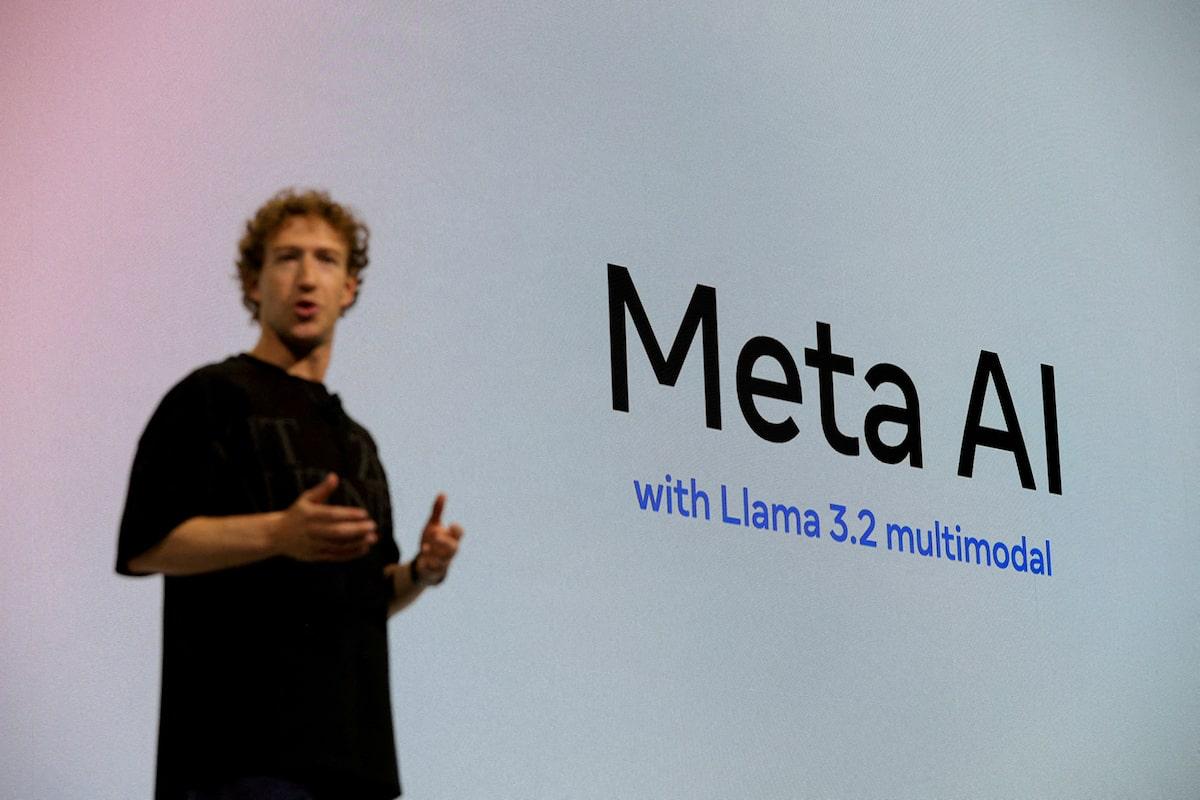
Meta Superintelligence Labs is a recently established division focused on advanced AI research, foundational models including the open-source LLaMA family, and long-term development of artificial general intelligence (AGI)
Zhao is recognized for pioneering breakthroughs including a novel scaling paradigm in AI, synthetic data generation techniques, and deep involvement in developing models like GPT-4 and smaller OpenAI architectures such as 4.1 and o3
In conjunction with hiring top AI experts from OpenAI, Google DeepMind, Anthropic, and Apple, Meta is investing heavily in AI talent and infrastructure, including a planned 1-gigawatt supercomputing cluster named Prometheus anticipated in 2026
Zuckerberg has indicated large multi-billion dollar commitments toward AI computing resources, emphasizing Meta’s strategic pivot to intensify competition with rivals like OpenAI and Google in frontier AI technology
The Superintelligence Labs operate independently from Meta’s FAIR research lab (led by Yann LeCun), focusing on nearer-term product-oriented core AI and open-source research, complementing FAIR's longer term foundational AI efforts
Zhao’s role involves setting the scientific agenda and research priorities for MSL, collaborating closely with Meta’s executive leadership and other AI research groups within Meta
Zhao’s appointment is part of a broader AI talent war where Meta is aggressively recruiting top researchers through lucrative packages and key partnerships to accelerate its AI ambition
Meta plans to release advancements openly to the community, balancing ambition for creating AGI with its policy of open access to cutting-edge AI developments
Background and Significance
Shengjia Zhao rose to prominence as a key architect behind one of the most influential AI language models worldwide, ChatGPT, developed under OpenAI’s banner. His leadership in model scaling, synthetic data, and reasoning systems garnered industry acclaim. Meta’s decision to bring Zhao on board as chief scientist is a clear signal of the company’s intensified focus on next-generation AI research and a move to assemble one of the strongest AI leadership teams globally.
Meta’s Superintelligence Labs was officially launched with an emphasis on advancing foundational large language models like the LLaMA family while pursuing broader AI capabilities that could lead to AGI. The lab is distinct from FAIR (Facebook AI Research), which continues its mission on pure and long-term AI research.
Current Context
The AI ecosystem is witnessing fierce competition among industry giants such as Meta, OpenAI, and Google for talent and computational supremacy. Zhao’s transition from OpenAI to Meta exemplifies ongoing shifts and Meta’s large-scale investments—including a notable $14.3 billion stake in Scale AI—which underscore its commitment to scaling AI research.
By partnering top scientific minds with world-class infrastructure, Meta aims to accelerate the pace of innovation and position itself at the forefront of responsible and impactful AI development.
Outlook
With leadership figures like Zhao and Wang driving the scientific and operational vision of Meta Superintelligence Labs, and planned releases of high-performance infrastructure such as the Prometheus supercomputer, Meta is poised for substantial advances in AI technology. Significant breakthroughs in AI model efficiency, safety, and capability are expected, supporting Meta’s ambition to develop full general intelligence in the coming years.
This development marks a pivotal moment in the global AI trajectory, reinforcing the ongoing race for dominance in artificial intelligence research and application.
Sources: CNBC, Times of India, Reuters