




Loading market data...
ADVERTISEMENT

Latest Top News
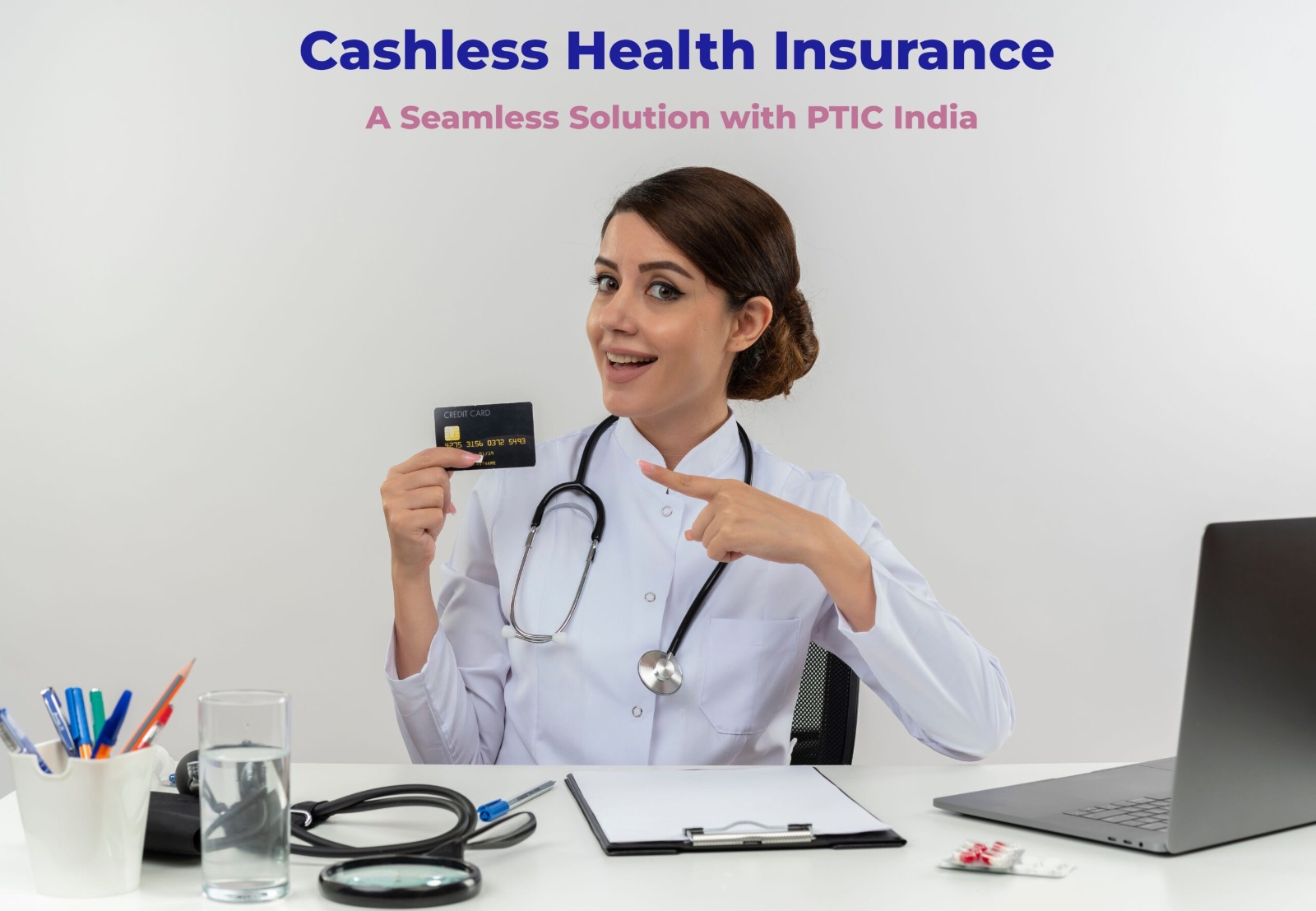
No Cash, No Stress: Inside India’s Cashless Health Insurance System
Cashless health insurance claims allow policyholders to receive hospital treatment without paying upfront, as bills are directly settled between the insurer and the hospital. This system reduces financial stress during emergencies, ensures faster access to medical care, and is available only at network hospitals.
Stay Ahead – Explore Now! Tata iPhone Parts Plant Faces India Shutdown Warning Over Water Contamination
ADVERTISEMENT

Latest Updates
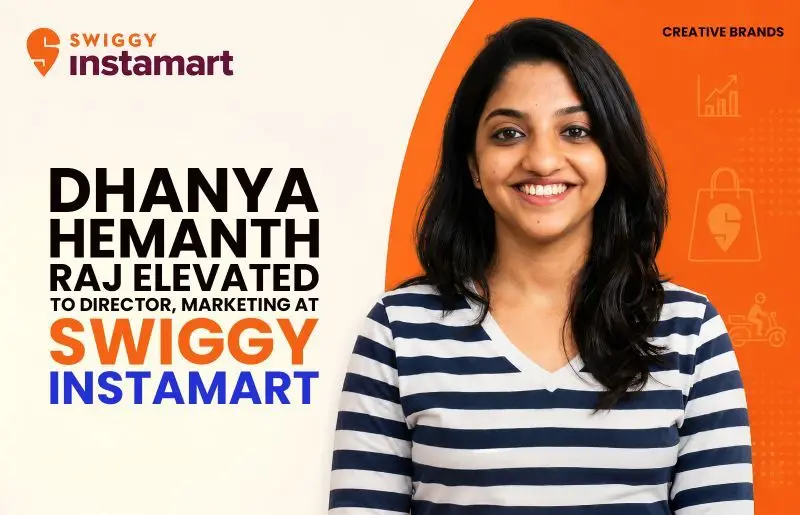
Instamart Inks Growth: Dhanya Hemanth Raj Named Ma...
15 Jun 2026, 11:52 PM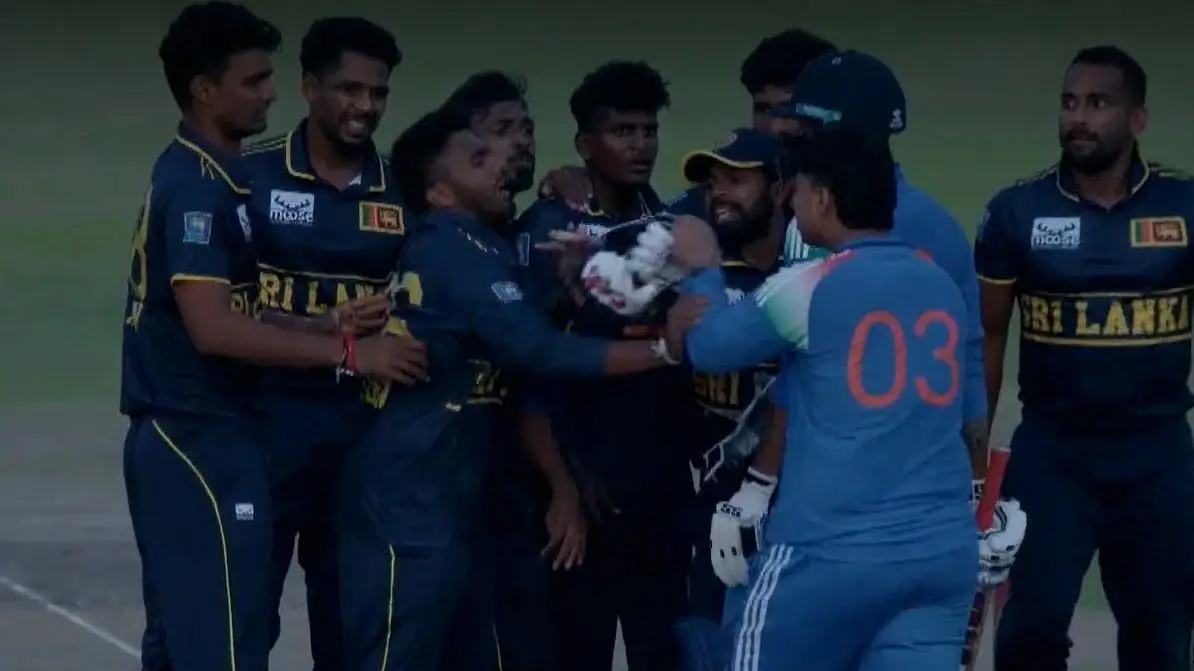
Sri Lanka 'A' Edge India 'A' in Heated Super Over...
15 Jun 2026, 11:47 PM
Mercedes-Benz India Steers Past Headwinds to Fuel...
15 Jun 2026, 11:45 PM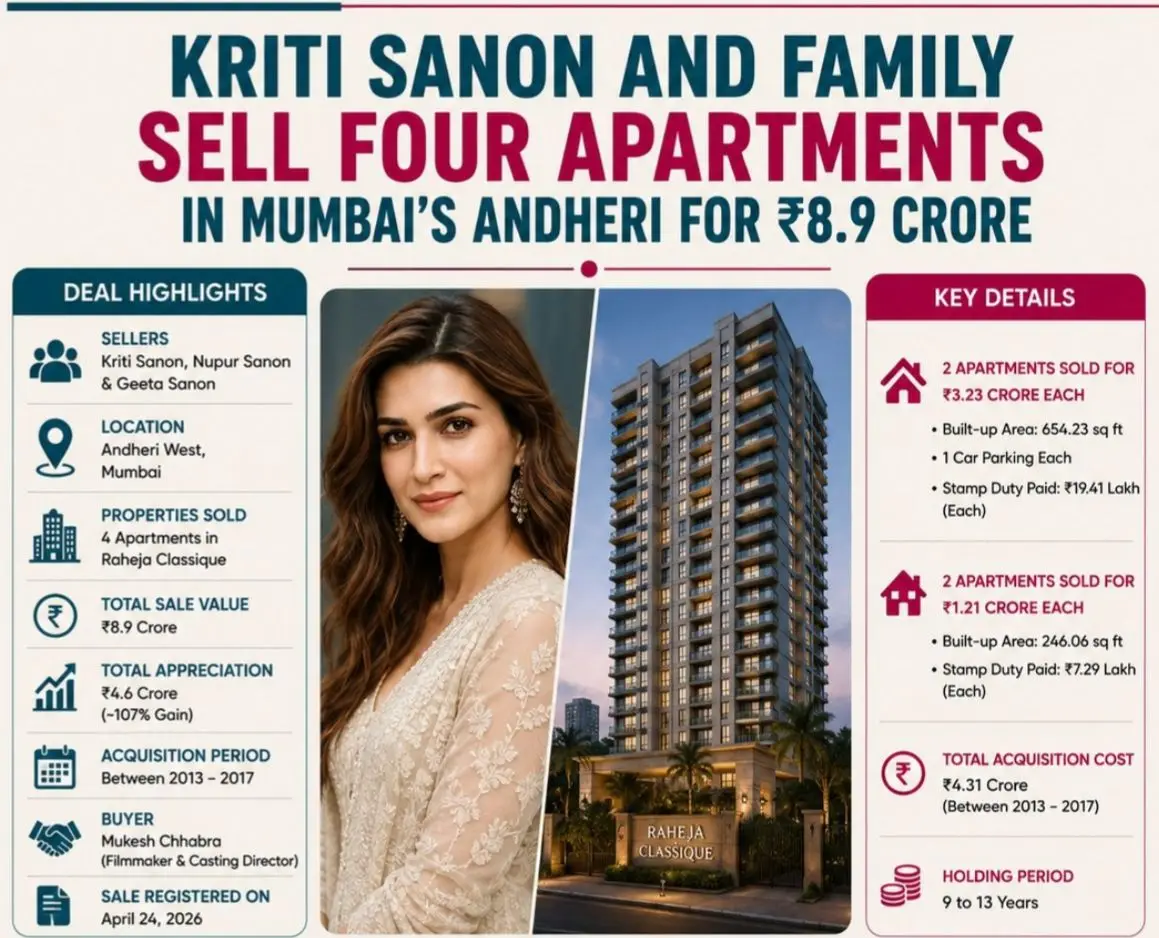
Sanon’s Andheri Asset Action: Family Bags ₹4.6 Cr...
15 Jun 2026, 11:42 PM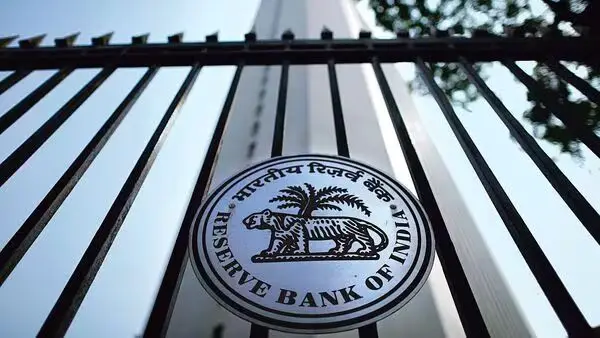
Banking on Trust: RBI Bans Coercive Bundling and A...
15 Jun 2026, 11:39 PMADVERTISEMENT

Top Stories
Instamart Inks Growth: Dhanya Hemanth Raj Named Ma...
15 Jun 2026, 11:52 PM
Sri Lanka 'A' Edge India 'A' in Heated Super Over...
15 Jun 2026, 11:47 PM
Mercedes-Benz India Steers Past Headwinds to Fuel...
15 Jun 2026, 11:45 PM