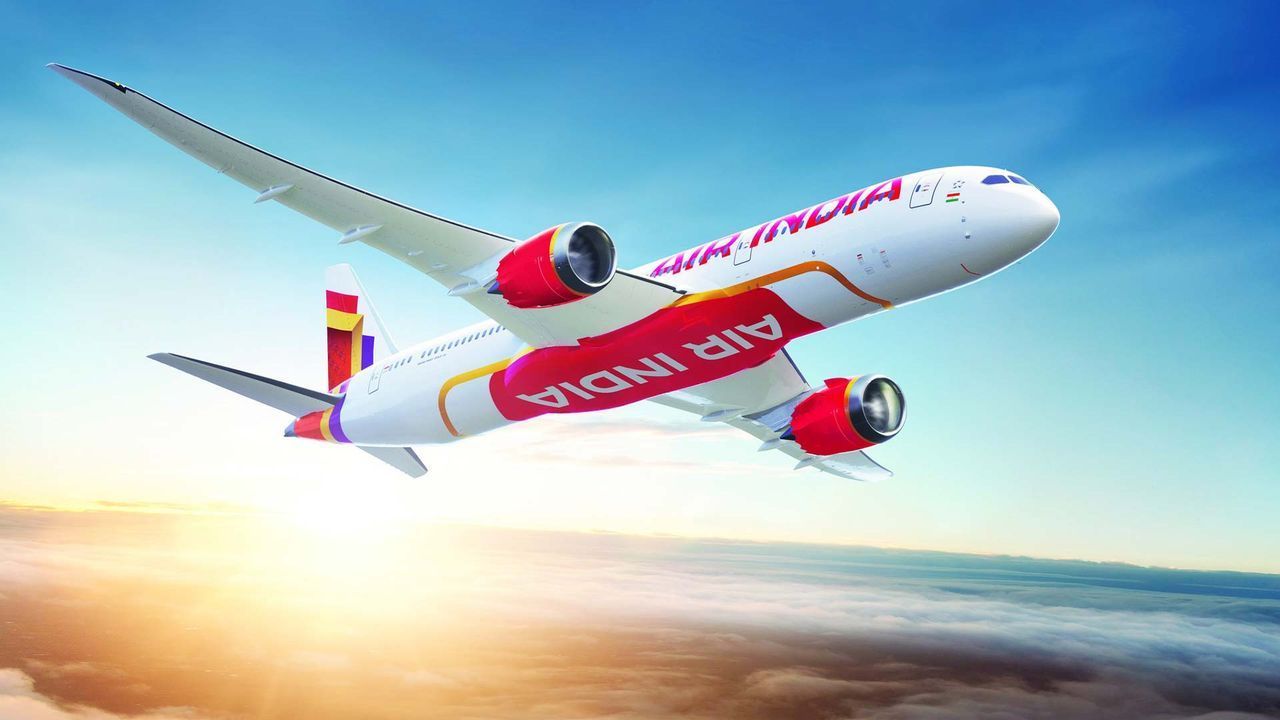
Air India has introduced an unbundled "Basic Fare" category for domestic economy flights on a trial basis, removing complimentary hot meals to offer cheaper base tickets. The strategic shift helps the airline cater to budget-conscious passengers while managing high fuel costs and substantial annual losses.
GURUGRAM — In a major shift to its domestic pricing model, Air India announced on Tuesday, June 16, 2026, the launch of an unbundled "Basic Fare" category for economy class passengers. Tested initially as a pilot project across select domestic routes, this newly designed fare tier strips out complimentary onboard hot meals in exchange for a lower baseline ticket cost. The structural adjustment comes as the Tata Group-owned full-service carrier targets price-conscious travelers and works to manage soaring aviation fuel costs and wider macroeconomic industry losses.
Unbundling Onboard Services on Select Domestic Sectors
The newly introduced ticket class marks the first time Air India has detached hot dining from its core domestic economy inventory. According to an official carrier policy brief released through the Air India Newsroom, the updated tier structure limits and preserves specific core traveler allowances:
Baggage Allowances: Retains a standard 15 kg checked baggage limit alongside a 7 kg cabin baggage allowance.
Onboard Liquid Amenities: Offers basic complimentary tea or coffee service during flight transit.
Onboard Dining: Completely removes the legacy complimentary hot meal service from the ticket baseline.
Corporate spokespersons clarified that the unbundled strategy is designed as a completely optional tier, allowing fliers to bypass the costs of traditional full-service perks if they prioritize a lower ticket price.
Managing Fiscal Headwinds and Regional Airline Capacity
The pilot implementation arrives during a period of severe cost management across the broader Indian aviation landscape. Financial regulatory compilations published in Singapore Airlines' annual corporate reporting—Air India's joint-venture transition partner—indicated that Air India's net annual losses reached approximately $2.8 billion for the recently concluded fiscal year.
To defend its bottom line against rising operational expenses and structural airspace curbs, the airline group is moving away from rigid all-inclusive booking templates. This shift helps it match the flexible, lean pricing models used by local low-cost carriers.
Consumer Flexibility and Direct Distribution Restrictions
For everyday travelers and corporate flyers, the new system introduces an add-on model for inflight dining. Passengers who choose the cheaper booking tier can pre-purchase hot food up to 24 hours before their scheduled departure.
The Reaccommodation Protocol: Airline guidelines state that if a flight time changes or a passenger is rerouted, pre-purchased meals will automatically move to the new itinerary. If the selection cannot be fulfilled on the new flight, the airline will issue a full refund for the meal cost.
During this initial trial phase, the carrier is restricting the sale of these tickets to its direct corporate distribution loops. Travelers cannot access the lower-cost inventory through third-party travel meta-search engines or outside online travel agencies (OTAs), meaning flyers must buy directly via official company channels.
Official Sources Section
The corporate pricing guidelines, asset allowances, and strategic financial contexts detailed in this reporting are compiled from formal press announcements published by the Air India Newsroom and international aviation yield disclosures released via Singapore Airlines' group financial statements.
Quote Section
"The introduction of the Basic fare reflects Air India's pro-consumer approach, recognizing that different travelers have different preferences," stated corporate officials in the company's national press brief.
"According to officials, by unbundling certain services, Air India is enabling price-conscious travelers to pay only for what they need, while preserving full-service offerings for those who value an all-inclusive experience. Organizers stated that decisions on the future of the offering will be taken after assessing customer response and feedback during the pilot phase."
Why It Matters
Unbundling core flying privileges alters the marketplace dynamic for both consumers and business networks. For everyday travelers, it removes the forced meal markup, creating cheaper options for short, regional flights where inflight dining is less critical. For institutional investors, it shows that the airline is actively protecting its margins against volatile jet fuel costs and heavy losses. This move aligns the legacy full-service carrier's domestic economy strategy with global aviation standards.
Key Facts at a Glance
Optional Lower Tier: The new ticket class explicitly removes complimentary hot meals from economy class tickets on select domestic routes.
Preserved Baggage Rules: Passengers retain a 15 kg checked baggage limit and a 7 kg cabin baggage allowance.
Direct Channel Exclusivity: The lower-priced tier is restricted to direct booking channels, including the carrier's app, website, and airport desks.
Flexible Pre-Purchase Options: Travelers can add tailored meals up to 24 hours before flight departure, with automatic refunds if changes occur.
FAQ Section
1. Does Air India's new Basic Fare eliminate free check-in baggage?
No. The baseline ticket still includes a standard 15 kg checked baggage allowance and a 7 kg cabin baggage allowance, matching the airline's traditional domestic limits.
2. Can I still get a free hot meal if I buy a standard economy ticket?
Yes. The existing Value, Classic, and Flex economy ticket tiers are unaffected by this rollout and will continue to include full, complimentary hot meals.
3. How do I add food to my itinerary if I purchase the cheaper tier?
Passengers can pre-purchase meals directly through the airline's website or mobile app up to 24 hours before takeoff, with options covering vegetarian, non-vegetarian, Jain, and diabetic menus.
Source: Corporate Fleet and Inventory Strategy Disclosures via the Air India Newsroom.