After BJP's seismic sweep of West Bengal in May 2026, a curious phenomenon has taken root: the very people who wielded power for 15 years are now drenched in nostalgia, reminiscing about a Bengal that, according to many voters, never quite existed the way they remember it.
The Verdict That Rewrote History
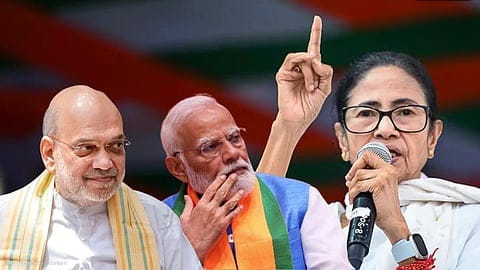
On May 3, 2026, the Bharatiya Janata Party stormed to a historic majority in West Bengal's Assembly Elections, winning 192 seats out of 294 — a figure that would have seemed like fantasy fiction just months ago. The Trinamool Congress, which had governed Bengal for an uninterrupted 15 years under Mamata Banerjee, crashed to a staggering 68 seats. Most dramatically, Mamata herself lost her Bhabanipur stronghold to Suvendu Adhikari by over 15,000 votes — a seat she had always treated as her personal fortress.
The Nostalgia Factory Opens For Business
Barely days after the results, the political survivors of TMC's collapse began doing what the defeated always do: remember the past through rose-tinted glasses. Phrases like "Bengal's cultural soul," "15 years of welfare," and "the spirit of Didi" started doing rounds on social media, conveniently skipping over the allegations of cut-money scandals, syndicate raj, 7,000 industry closures, and a collapsing job market that defined much of the TMC era.
Mamata herself, in true streetfighter fashion, declared "we will bounce back" — signalling that the nostalgia engine isn't just a grief response, it's a political strategy. She blamed EVMs, the Election Commission (which she labelled "BJP Commission"), and central forces for what she called a "stolen verdict." Whether the comeback narrative gains traction remains to be seen, but for now, the nostalgia is potent.
What Bengal's Voters Actually Said
The BJP's victory was not an accident — it was built on years of voter frustration with governance failures.
Bengal Election Reckoning
- BJP seats won: 192 — a jump from just 77 in 2021
- TMC collapse from 213 seats in 2021 to just 68 in 2026
- Mamata lost Bhabanipur by 15,114 votes — a seat she had won in by-elections
- Rural discontent over unemployment and low farm prices drove voters away from TMC
- Matua and North Bengal tribal votes consolidated sharply toward BJP
- Contest became bilateral as Left-Congress vote banks eroded further
- PM Modi hailed it: "The Lotus blooms in West Bengal"
The Historical Irony
This is not Bengal's first rendezvous with political nostalgia. The Left Front, which ruled for 34 years before TMC ended its reign in 2011, also had its share of nostalgic defenders who spoke of land reforms and literacy programs while glossing over the industrial exodus and Singur-Nandigram tragedies. Now history rhymes again — the ousted become the nostalgic, and the nostalgic become political footnotes.
For the TMC faithful, the Bengal of their memories — full of cultural pride, welfare schemes, and Didi's indefatigable energy — is a real, lived experience. But the Bengal that voted on April 29, 2026 spoke of a different reality: one hungry for jobs, safety, accountability, and change.
A Comeback Or A Curtain Call?
Mamata Banerjee has defied political obituaries before. She rose from the margins of Congress, battled the Left for decades, and built an empire with sheer audacity. But losing both the state and her personal constituency in the same election is, as analysts note, "not merely electoral — it is existential." The question now is whether the nostalgia her supporters are bottling today becomes the fuel for a genuine opposition revival — or simply the last fragrance of a political era gone by.
Sources: NDTV, The Guardian, The Week , DifferentTruths.com, Rediff.com, Deccan Herald