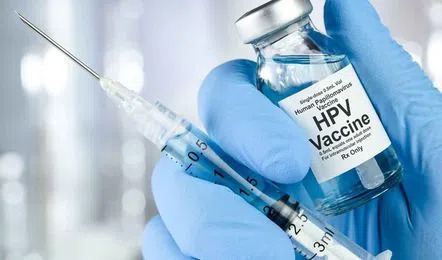
India's HPV vaccination drive has crossed 80 lakh doses, marking a major milestone in cervical cancer prevention. The Ministry of Health reports that expanded access and robust cold-chain distribution across state networks are driving high adolescent uptake, strengthening long-term public health outcomes nationwide.
Union Health Ministry reports a major public health milestone as cumulative HPV vaccinations across India surpass 80 lakh doses.
India's nationwide public health immunization drive achieved a significant milestone in September 2026 as cumulative Human Papillomavirus (HPV) vaccinations surpassed the 80 lakh mark. Spearheaded by the central government, the inoculation campaign aims to prevent cervical cancer among adolescent girls nationwide. Health authorities note that reaching this vaccination threshold reflects expanding healthcare access, intensified awareness campaigns, and robust distribution networks across state health infrastructure.
Nationwide Immunization and Cervical Cancer Prevention
The human papillomavirus vaccine is a critical preventative tool administered primarily to young girls to protect against high-risk viral strains responsible for the vast majority of cervical cancer cases. Since the nationwide rollout of the immunization program, public health departments have intensified distribution across urban centers and rural districts alike, prioritizing accessibility in government hospitals, community health centers, and designated vaccination camps.
According to official health bulletins and data releases published by the Ministry of Health and Family Welfare (MoHFW) and the Indian Council of Medical Research (ICMR), scaling up HPV immunization coverage is a cornerstone of India's long-term strategy to reduce non-communicable disease burdens and improve women's health outcomes. Medical experts emphasize that widespread immunization among adolescent demographics significantly lowers future cancer risks, reducing long-term mortality and healthcare expenditures.
Impact on Healthcare Infrastructure and Public Health
For citizens, families, and regional healthcare workers, crossing the 80 lakh milestone demonstrates the tangible effectiveness of organized public health interventions. State health directorates have reported steady increases in vaccine uptake, driven by community outreach initiatives and parental education programs conducted by local medical officers.
Furthermore, pharmaceutical logistics networks and cold-chain storage facilities have scaled operations to support the steady influx of vaccine doses required to maintain momentum. According to official regulatory updates and municipal health advisories issued by state medical boards, maintaining an uninterrupted vaccine supply chain remains a top operational priority for the government.
"According to officials, sustained community engagement and efficient distribution networks are vital for expanding HPV vaccination coverage and safeguarding public health across all demographics."
Key Facts at a Glance
Milestone Reached: Cumulative HPV vaccinations in India have officially surpassed 80 lakh doses.
Primary Objective: The nationwide campaign focuses on preventing cervical cancer by vaccinating adolescent girls.
Supervising Bodies: The immunization drive is coordinated by the central government in partnership with state health ministries.
Long-Term Impact: Expanding vaccine access aims to significantly reduce cervical cancer rates and healthcare costs nationwide.
Frequently Asked Questions
What milestone has India's HPV vaccination drive recently reached? The nationwide immunization program has successfully crossed 80 lakh cumulative doses administered.
Who is the primary target demographic for the HPV vaccine in India? The campaign primarily targets adolescent girls to protect against high-risk strains causing cervical cancer.
How are vaccines distributed across different regions? Distribution is managed through government hospitals, community health centers, and state-backed health camps using secure cold-chain logistics.
Where can official health updates and vaccination statistics be accessed? Official data and guidelines are published via the Ministry of Health and Family Welfare (MoHFW) portal.
Source: Ministry of Health and Family Welfare (MoHFW), Indian Council of Medical Research (ICMR)