India's contemporary art scene is increasingly shaped by historical archives, traditional craftsmanship, and cultural heritage. By merging ancient techniques with modern narratives, artists are redefining national identity, boosting the creative economy, and engaging audiences nationwide with deep socio-political commentary rooted in history.
A surge in contemporary Indian art draws heavily from historical narratives, traditional craftsmanship, and archival exploration.
In September 2026, India's contemporary art scene is undergoing a profound evolution as modern creators increasingly look to historical archives, colonial legacies, and traditional craft techniques to address contemporary identity. Exhibitions across major cultural hubs such as New Delhi, Mumbai, and Bengaluru reflect a growing nationwide movement where painters, sculptors, and multimedia installation artists merge centuries-old heritage with modern aesthetic frameworks. This artistic integration offers audiences a fresh lens through which to examine India's social history and cultural heritage today.
Archival Research and Historical Narratives
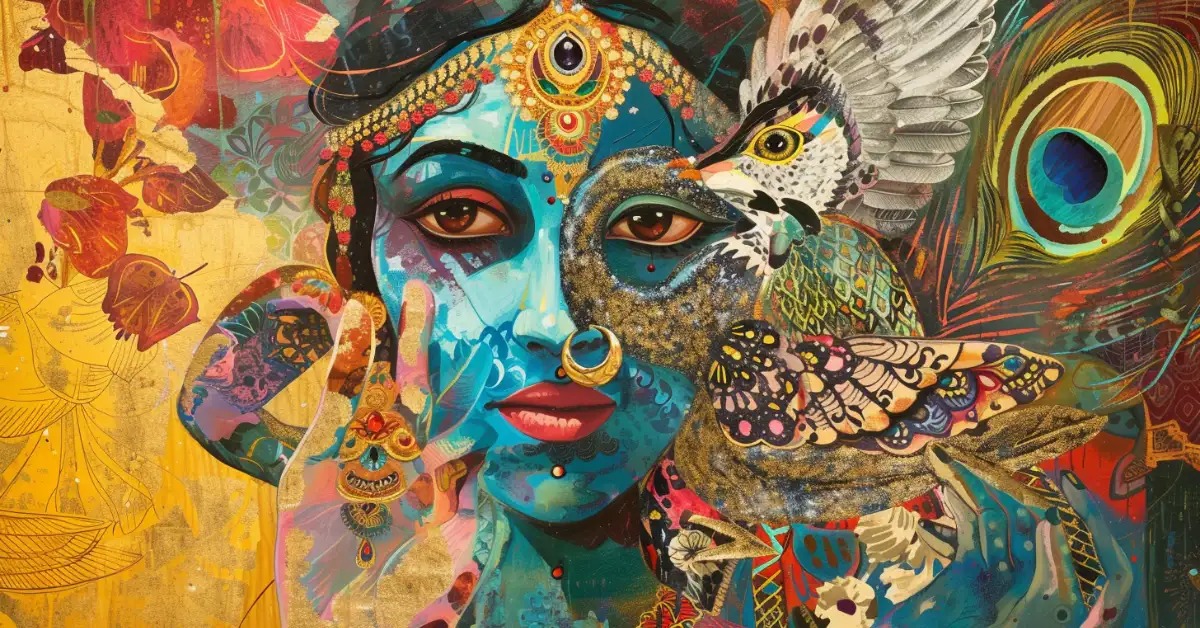
Contemporary Indian artists are turning away from purely abstract compositions, favoring deeply researched historical narratives instead. By digging through municipal archives, colonial-era photographs, and ethnographic texts, creators are producing works that question official histories. This movement reclaims indigenous visual vocabularies, blending miniature painting traditions, textile weaving, and folk motifs with digital media.
According to cultural policy overviews and institutional archives published by the Ministry of Culture, Government of India and the National Gallery of Modern Art (NGMA), preserving and reinterpreting traditional craftsmanship is critical for maintaining national artistic identity. Galleries report a surge in public attendance for exhibitions that bridge pre-colonial aesthetics with current socio-political commentary.
Economic Impact and Cultural Infrastructure
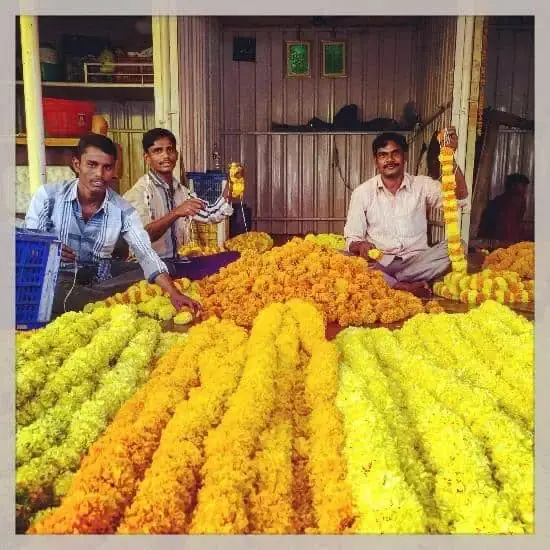
For collectors, gallerists, and institutional investors, the shift toward historical grounding has energized the domestic art market. Museums and independent auction houses note rising valuations for works that combine high technical craftsmanship with narrative depth. This heritage-driven movement also stimulates regional artisan clusters, as contemporary artists frequently collaborate directly with master weavers, metalworkers, and potters to produce mixed-media installations.
According to official arts council reports and creative economy updates issued by cultural foundations, investing in heritage-inspired contemporary art drives sustainable economic growth for traditional artisan communities across rural and urban centers.
"According to officials, integrating historical heritage into contemporary creative practices is essential for fostering cultural appreciation and supporting the livelihood of local artisan networks."
Key Facts at a Glance
Core Trend: Contemporary Indian artists increasingly draw inspiration from historical archives and traditional crafts.
Cultural Hubs: Major exhibitions are driving public engagement in cities like New Delhi, Mumbai, and Bengaluru.
Economic Boost: Collaborations between modern artists and regional artisans help sustain traditional craft sectors.
Institutional Support: National cultural bodies are actively backing archival preservation and heritage-focused art projects.
Frequently Asked Questions
How is India's past influencing contemporary art? Artists are utilizing historical archives, colonial records, and traditional craft techniques to shape modern narratives.
Which cities are the main hubs for this artistic movement? New Delhi, Mumbai, and Bengaluru host the majority of these heritage-inspired contemporary exhibitions.
How does this trend benefit traditional artisans? Collaborations between modern creators and regional craftspeople provide economic support and visibility to indigenous techniques.
Where can official art and culture policies be reviewed? Guidelines and archival resources are hosted on the Ministry of Culture, Government of India portal.
Source: Ministry of Culture, Government of India, National Gallery of Modern Art (NGMA)