Ahead of the upcoming Monsoon Session, India's opposition alliance has demanded urgent parliamentary debates on the Ayodhya Ram temple donation theft probe, the E20 ethanol fuel mandate, and the Manipur crisis. Leaders warned the government of a political fallout if it avoids accountability on these critical national challenges.
NEW DELHI — Opposition parties have formally demanded structured parliamentary discussions on the alleged theft of donations at the Ayodhya Ram temple, ethanol blending mandates, student grievances, and the prolonged security crisis in Manipur. The demands were presented during a high-profile all-party meeting convened by the Central government ahead of the upcoming Monsoon Session of Parliament. Senior opposition leaders warned the ruling National Democratic Alliance (NDA) of severe political consequences if the government evades accountability on these major national challenges.
The developmental push sets up a highly confrontational legislative environment as the government looks to introduce several contentious bills, while the united opposition insists that immediate public interest matters must take priority over the state's legislative agenda.
High-Stakes All-Party Meeting Precedes Monsoon Session
The all-party strategy meeting, chaired by Union Defence Minister Rajnath Singh and attended by senior Cabinet ministers and opposition floor leaders, served as the primary forum for the ideological showdown. Emerging from the meeting, opposition representatives stated that while the government has finalized its legislative priorities, the parliamentary floor must be utilized to address systemic vulnerabilities currently gripping the nation.
The meeting was further complicated by a localized opposition walkout. Representatives from major coalition partners, including the Indian National Congress, the Samajwadi Party, and the All India Trinamool Congress (TMC), staged a walkout to protest the inclusion of the newly formed, unrecognized National Citizens Party of India (NCPI) in the proceedings, which they labeled a violation of parliamentary norms.
Major Flashpoints: Ram Temple, Fuel Mandates, and Regional Stability
The demand for parliamentary accountability is anchored heavily around three distinct structural issues:
1. Alleged Ram Temple Donation Theft
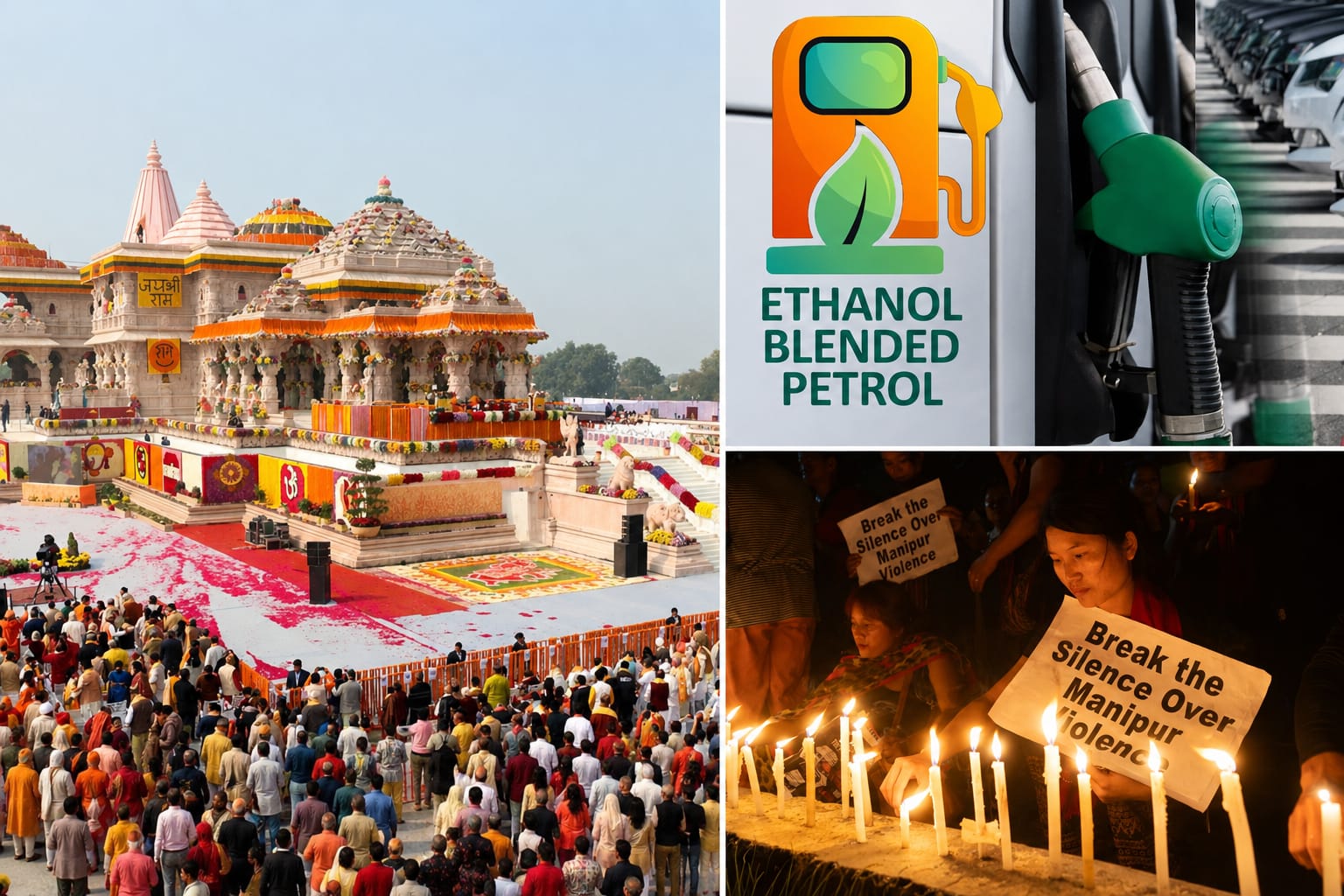
Opposition leaders raised serious alarms over a developing Special Investigation Team (SIT) probe into the alleged embezzlement of cash, gold, and secondary valuables contributed by devotees at the Ayodhya Ram Mandir. Labeling the controversy "Chanda Chori" (donation theft), the opposition accused the Ram Temple Trust—which operates under the absolute supervision of Prime Minister Narendra Modi—of structural misappropriation. Leaders are demanding an independent, Supreme Court-monitored judicial investigation into the missing temple assets.
2. Ethanol Blending Concerns
The opposition has targeted the government’s aggressive E20 ethanol-blended fuel mandate. Labeling the rapid transition an "E20 scam," leadership asserted that the policy imposes heavy technical and economic burdens on approximately 3.5 crore vehicle owners across the country. They allege that specific regulatory changes heavily favor major corporate actors and political insiders at the expense of ordinary consumers and agricultural manufacturers.
3. The Unresolved Crisis in Manipur
The protracted ethnic violence and administrative breakdown in the northeastern state of Manipur remain a central pillar of the opposition's challenge. Lawmakers stated that the executive branch has consistently failed to restore long-term civil order, secure state borders, or alleviate the displacement of local citizens, making a detailed national debate non-negotiable.
Official Sources Section
The details surrounding the parliamentary demands and political strategies outlined in this report are based on official statements issued during press briefings by the Indian National Congress, regulatory social media disclosures by opposition leaders, and statements recorded during the Union government’s official all-party convention.
Parliamentary Accountability and Strategy
"We raised these issues and demanded a discussion on them in Parliament," stated Congress leader Gaurav Gogoi following the legislative briefing. "The most important being the theft of donations at the Ram temple in Ayodhya. The government should express its sensitivity to it. Be it ethanol, students' issues, Manipur... If the government runs away from these issues, then it will suffer the consequences."
Why It Matters
For citizens and everyday taxpayers, this political gridlock shapes how critical domestic issues are resolved. The outcomes directly impact vehicle operating costs via ethanol mandates, the financial transparency of major religious trusts, and the physical safety of communities in conflict zones like Manipur. For investors and institutional observers, the session will demonstrate whether the government possesses the stability to pass major economic laws amid intense opposition scrutiny.
Key Facts at a Glance
Unified Demand: The opposition demands formal debates on the Ram temple donation probe, ethanol policies, and the Manipur crisis.
High-Level Review: The demands were presented directly to Union Defence Minister Rajnath Singh during the pre-session all-party meet.
Walkout Staged: Multiple opposition parties walked out of the meet to protest the inclusion of an unrecognized political faction.
Judicial Probe Sought: Leaders are demanding a Supreme Court-monitored inquiry into the alleged ₹200-crore temple trust embezzlement case.
FAQ Section
Q1: What are the primary issues the opposition wants discussed in Parliament?
A1: The opposition is demanding formal debates on the alleged embezzlement of Ram temple donations, the E20 ethanol blending fuel mandates, student paper leaks, and the security situation in Manipur.
Q2: What is the controversy surrounding the Ram temple donations?
A2: Opposition leaders allege that cash and valuables worth crores have been stolen or misappropriated from the temple trust, prompting demands for a Supreme Court-monitored investigation.
Q3: Why is the opposition protesting the government's ethanol policy?
A3: Critics argue that the current ethanol blending implementation acts as a financial burden on millions of vehicle owners and alleges corporate favoritism under the guise of green energy.
Q4: Why did opposition parties walk out of the pre-session meeting?
A4: The walkout was staged to protest the government's decision to invite the National Citizens Party of India (NCPI), which the opposition labels an unrecognized faction whose parliamentary status remains unapproved.
Source: The Hindu, ANI News National Feed, The Times of India Corporate Bureau.