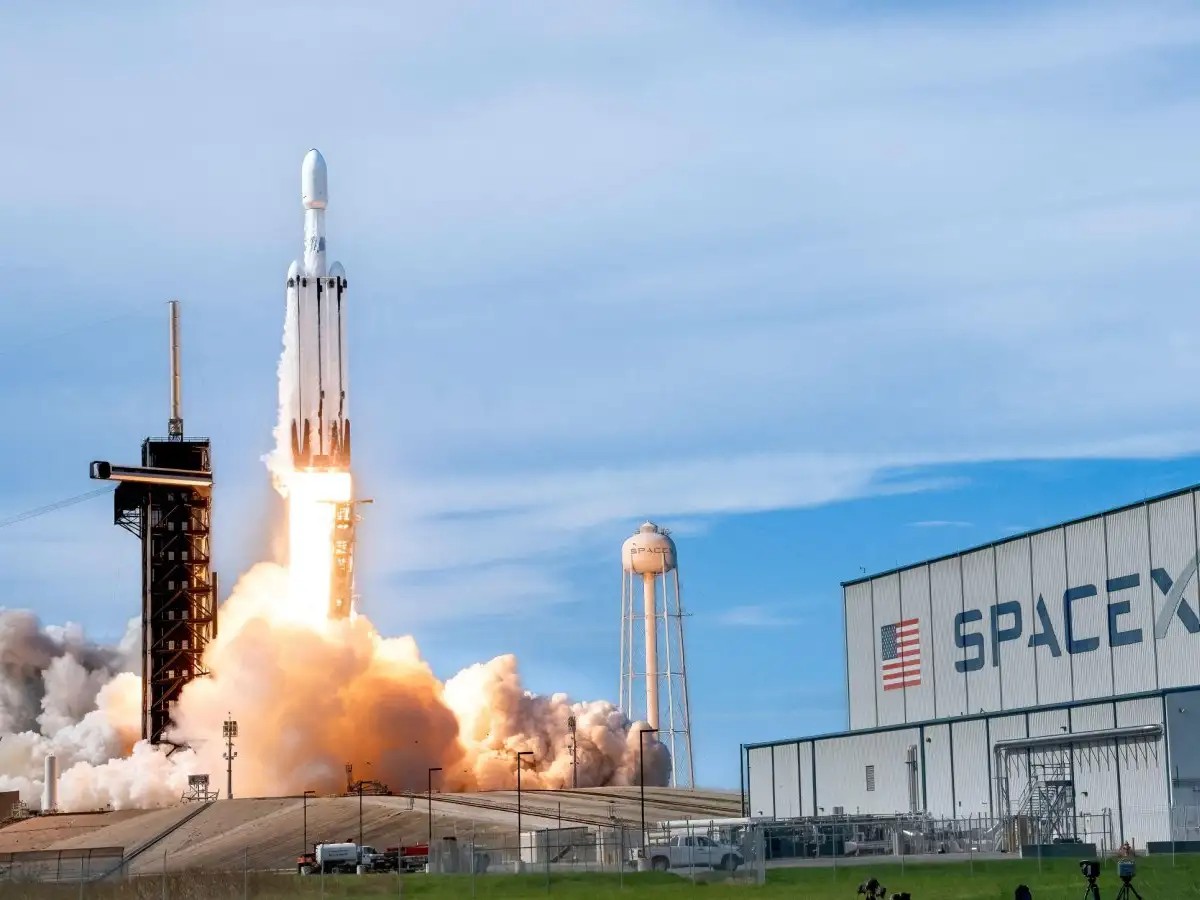
SpaceX’s ambitious vision of deploying up to one million AI-powered satellites has ignited a fierce debate among scientists, astronomers, and space policy experts. While the plan could revolutionize global connectivity and artificial intelligence infrastructure, critics warn it may dramatically increase orbital congestion, collision risks, and long-term threats to space sustainability.
A bold new proposal linked to the future of satellite-based artificial intelligence is drawing global attention. Industry experts believe large-scale AI satellite networks could transform communications and computing, but concerns are growing over whether Earth's orbit can safely handle such unprecedented expansion.
The Vision Behind The Mega Constellation
SpaceX has long championed large satellite constellations through its Starlink network. The latest discussions around deploying vast numbers of AI-enabled satellites aim to create an orbital computing ecosystem capable of supporting advanced AI workloads, global internet services, and real-time data processing from space.
Supporters argue that such infrastructure could reduce latency, expand internet access to remote regions, and strengthen next-generation AI applications worldwide.
Why Scientists Are Raising Red Flags
Space researchers warn that placing hundreds of thousands—or potentially one million—satellites into low Earth orbit could significantly increase the risk of collisions. Even a single crash can generate thousands of debris fragments, potentially triggering a cascading effect known as the Kessler Syndrome, where space debris causes repeated collisions.
Astronomers are also concerned about increased light pollution and radio interference, which could affect scientific observations and deep-space research efforts.
Space Sustainability At The Crossroads
The debate highlights a growing challenge facing the commercial space industry: balancing innovation with orbital sustainability. Regulators, environmental experts, and international agencies are increasingly calling for stronger satellite disposal rules, collision-avoidance systems, and coordinated global oversight.
Without robust safeguards, critics argue that rapid satellite deployment could jeopardize future access to space for governments, businesses, and scientific missions.
Space Industry Takeaways
- Potential for a global AI-powered orbital network
- Expanded broadband and low-latency communications
- Increased risk of orbital collisions and debris generation
- Growing concerns over astronomy disruptions
- Rising calls for international space governance and sustainability measures
As the race to dominate space-based AI accelerates, the challenge will be ensuring technological progress does not create an irreversible orbital crisis.
Sources: Tom's Hardware, The Verge, Space.com