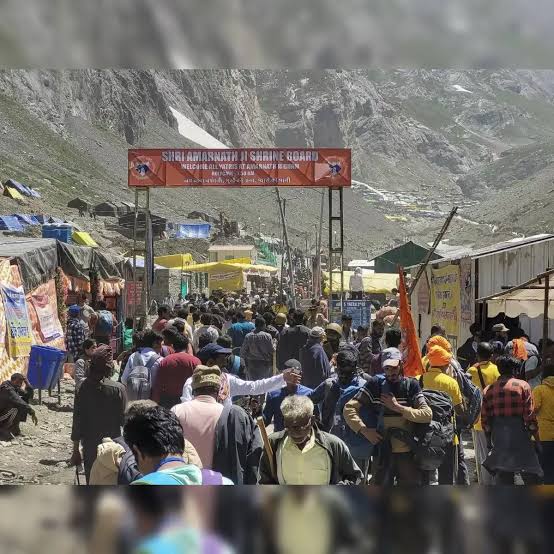
Lieutenant Governor Manoj Sinha announced that over 3.5 lakh pilgrims have completed the Amarnath Yatra in its first 15 days. During a review at the Nunwan base camp, he emphasized security, cleanliness, and fair pricing, while noting the Yatra's significant positive impact on the local Kashmiri economy.
PAHALGAM — More than 3.50 lakh pilgrims have successfully paid obeisance at the holy Amarnath cave shrine within the first 15 days of the annual pilgrimage, Lieutenant Governor Manoj Sinha announced on Friday, July 17, 2026. The milestone highlights the steady influx of devotees from across India, even as the administration maintains a high state of alert to manage the significant footfall and evolving weather conditions.
During his visit to the Nunwan base camp in Pahalgam, the Lieutenant Governor conducted a high-level review meeting with senior civil, police, and Shri Amarnath Shrine Board (SASB) officials. The session focused on assessing the availability of critical services, including healthcare, emergency response, water, power, and telecommunications.
Security and Operational Oversight
The administration has placed a strong emphasis on maintaining a "whole-of-government" approach to ensure safety and convenience. In his meetings, LG Sinha directed security forces—including the J&K Police, Army, and paramilitary units—to remain in a state of maximum alertness. The ongoing security strategy includes robust convoy protection, extensive surveillance, and inter-agency coordination to provide a peaceful environment for the 57-day-long pilgrimage.
LG Sinha also took a firm stance on service standards, mandating a 100 percent prepaid system for all services provided to pilgrims to eliminate the scope for overcharging and ensure transparency. Additionally, he instructed officials to intensify cleanliness drives along both the Pahalgam and Baltal routes, reinforcing a commitment to a "waste-free" Yatra.
Economic and Social Impact
Beyond its spiritual significance, the Yatra continues to serve as a vital economic engine for Jammu and Kashmir. The influx of pilgrims provides substantial support to local hoteliers, transporters, pony owners, and artisans. LG Sinha highlighted that, following an appeal by Prime Minister Narendra Modi, many pilgrims are actively purchasing locally made handloom and handicraft products, thereby directly bolstering the livelihoods of local traders.
Official Sources
Office of the Lieutenant Governor, Jammu & Kashmir: Official statements regarding Yatra progress, security directives, and facility inspections.
Shri Amarnath Shrine Board (SASB): Data regarding registration, pilgrim counts, and operational logistics.
Government of Jammu & Kashmir: Press releases detailing inter-departmental coordination and emergency preparedness.
"Today marks 15 days since the pilgrimage began... By the grace of Lord Shiva, the Yatra is proceeding smoothly. There is great enthusiasm among devotees coming from every corner of the country, and local residents and service providers are also actively engaged in making this sacred pilgrimage a success," said Lieutenant Governor Manoj Sinha.
Why It Matters
For pilgrims and the administration, the first 15 days represent a successful operational stress test. The focus now shifts toward maintaining these standards as the Yatra progresses through potentially challenging monsoon weather. The integration of technology, feedback-based grievance redressal, and heightened security measures serves to mitigate risks for the hundreds of thousands of devotees traversing high-altitude mountain routes.
Key Facts at a Glance
Pilgrim Count: Over 3.50 lakh devotees have performed darshan in the first 15 days.
Infrastructure: Review focused on 100% prepaid service systems, sanitation, and fire safety in base camps.
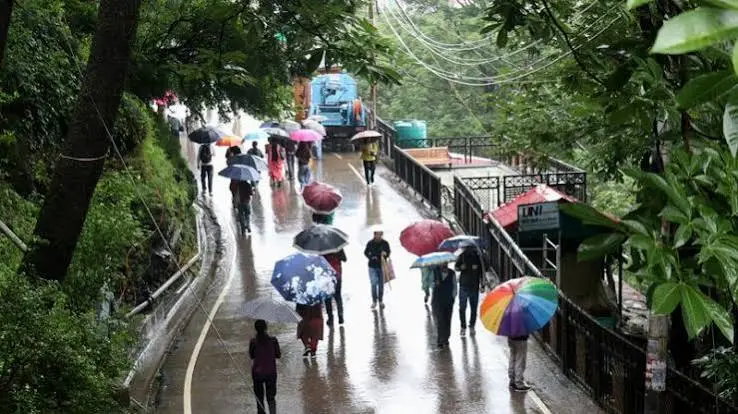
Contingency Planning: Officials have been instructed to monitor meteorological forecasts closely and prepare for potential heavy rainfall.
Local Engagement: Strong emphasis on supporting local Kashmiri handloom and handicraft artisans.
FAQ
What measures are in place to prevent overcharging?
The administration has mandated a 100 percent prepaid system for all services to ensure transparency and prevent exploitation of pilgrims.
How is the weather being managed?
LG Sinha has directed all stakeholders to stay alert to Meteorological Department forecasts and strengthen contingency measures to ensure pilgrim safety during heavy rainfall.
What is the impact of the Yatra on the local economy?
The pilgrimage generates significant demand for local services and products, with a specific push toward pilgrims purchasing Kashmiri handicrafts as requested by the Prime Minister.
Source: UNI India, Kashmir Observer, Kashmir Life