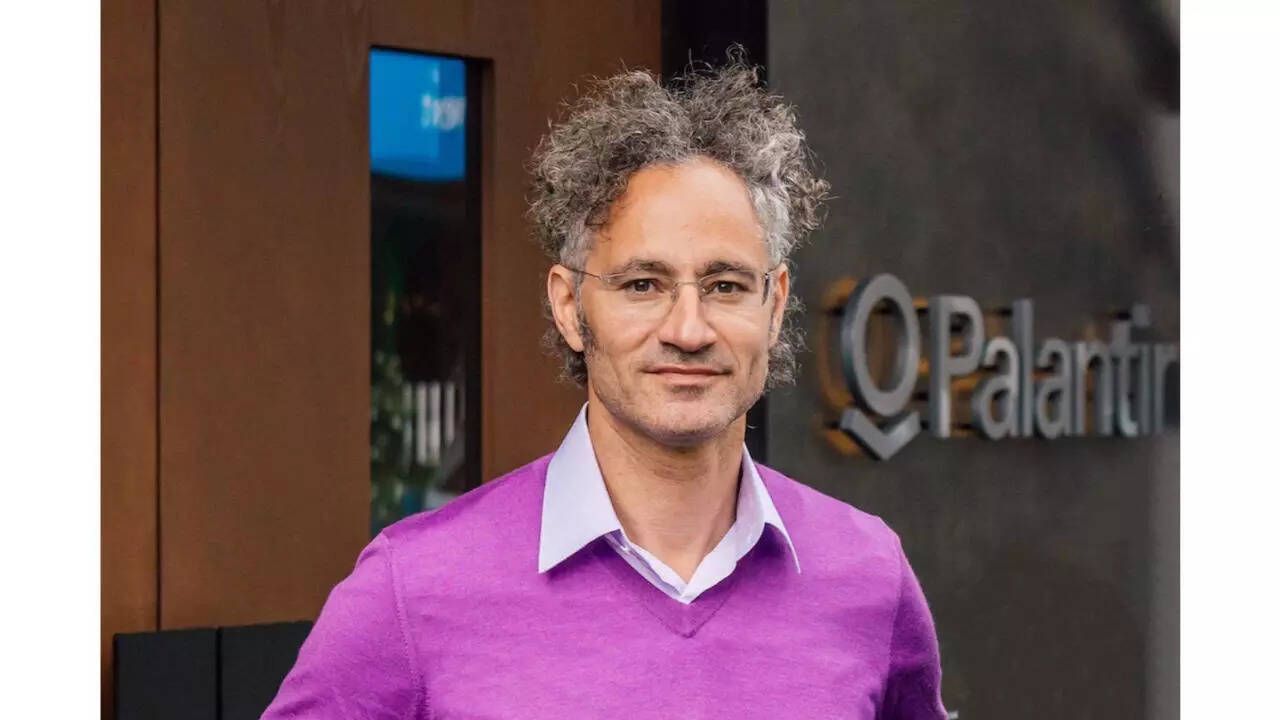
In a candid and compelling address at AIP Con 8, Palantir CEO Alex Karp spotlighted a seismic shift in the tech workforce, declaring that certain employees—particularly those with deep technical expertise—are becoming “crazy valuable” in today’s AI-driven economy. As...
In a candid and compelling address at AIP Con 8, Palantir CEO Alex Karp spotlighted a seismic shift in the tech workforce, declaring that certain employees—particularly those with deep technical expertise—are becoming “crazy valuable” in today’s AI-driven economy. As the industry grapples with mass layoffs, automation, and evolving business models, Karp’s remarks offer a sharp counter-narrative: lean, high-impact teams are the future, and the individuals who thrive in them will command premium compensation.
Karp’s comments, delivered during a live broadcast of TBPN from Palantir’s customer conference, reflect not only his company’s internal culture but also a broader trend sweeping through Silicon Valley and beyond.
Key Highlights from Karp’s Address
Employees with deep technical skills are increasingly indispensable and highly paid.
Palantir favors lean teams over large workforces, focusing on impact rather than headcount.
The company’s culture rewards intensity, commitment, and creative problem-solving.
AI researchers and engineers are seeing record compensation, while broader layoffs continue across Big Tech.
Who Are the ‘Artist-Shaped’ Employees?
Karp coined the term “artist-shaped people” to describe individuals who combine technical mastery with creative thinking and mission-driven focus. These are not just coders or analysts—they are polymaths who thrive in high-pressure environments and contribute meaningfully to product innovation and strategic execution.
Traits of these high-value employees include:
Expertise in artificial intelligence, machine learning, and data engineering
Ability to work autonomously and solve complex problems
Deep alignment with company mission and culture
Willingness to operate in demanding, non-traditional work settings
Karp likened Palantir’s internal culture to an “artist colony,” where unconventional thinkers are empowered to build transformative technologies.
Palantir’s Lean Team Strategy
Despite reporting over $1 billion in second-quarter revenue and nearly doubling its US commercial business year-over-year, Palantir is reducing its sales force. Karp emphasized that the company’s future workforce will be smaller than its current one, reflecting a deliberate shift toward efficiency and elite talent.
Key operational insights:
Revenue is rising while headcount is shrinking
Smaller teams are delivering outsized results
The company prioritizes quality over quantity in hiring
Employees are expected to work with intensity—Karp himself admitted, “We don’t do holidays”
This approach underscores a growing belief in tech circles that fewer, more capable individuals can outperform larger, less focused teams.
Industry Context: Layoffs vs. Premium Talent
While Palantir celebrates its top performers, the broader tech industry is undergoing a painful recalibration. Major firms like Microsoft and Meta have laid off thousands in recent quarters, even as they compete fiercely for elite AI talent.
Recent trends include:
AI researchers receiving multimillion-dollar compensation packages
Startups and legacy firms alike vying for scarce technical talent
Increased emphasis on mission alignment and cultural fit in hiring
A widening gap between general tech roles and specialized AI positions
Karp’s remarks reflect this bifurcation: the average tech job may be vulnerable, but the exceptional ones are more valuable than ever.
Conclusion
Alex Karp’s vision for the future of tech employment is clear: in an era of automation and AI, human expertise—especially when paired with creativity and commitment—is the ultimate differentiator. Palantir’s lean team model and emphasis on “artist-shaped” employees signal a shift in how companies define value, reward talent, and build resilience. As the digital economy evolves, those who master rare skills and embrace intense cultures will not only survive—they’ll thrive.
Sources: Times of India, SSBCrack News