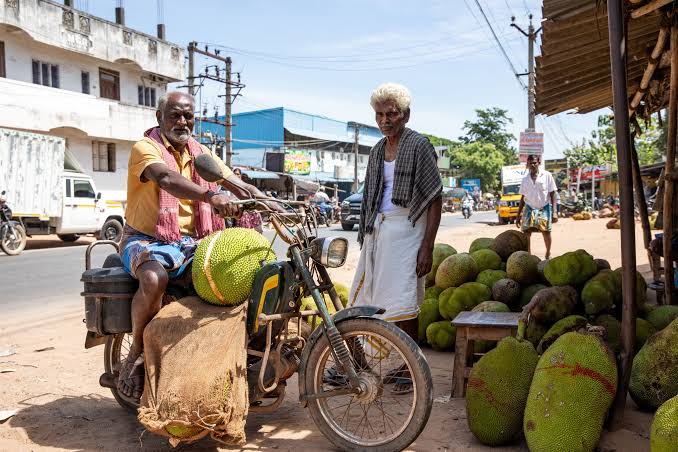
Panruti, Tamil Nadu, has become India’s premier jackfruit hub, securing a GI tag in 2025. The region’s unique, high-quality fruit is now a staple in gourmet restaurants nationwide, celebrated for its superior texture and aroma, effectively transforming the town’s local agricultural economy into a recognized global culinary brand.
PANRUTI — Nestled in the Cuddalore district of Tamil Nadu, the town of Panruti has emerged as a focal point for India’s agricultural prestige. Recognized globally for its year-round cultivation and superior quality, Panruti’s jackfruit was awarded a Geographical Indication (GI) tag in 2025, a distinction that has transformed the town’s economy and its reputation in the culinary world.
For decades, this region has served as the backbone of jackfruit supply in Southern India. However, the formal GI registration has acted as a catalyst, bridging the gap between small-scale local farms and high-end gourmet kitchens. Today, the town’s jackfruit is no longer just a seasonal market staple; it is a sought-after luxury ingredient featured in fine-dining menus, celebrated for its unique aroma, firm texture, and balanced sweetness.
From Farms to Fine Dining
The journey of the Panruti jackfruit from rural orchards to urban gourmet restaurants is a story of quality standardization. As the only place in India where the fruit is cultivated as a monocrop over hundreds of hectares, Panruti offers a consistency that commercial chefs value.
According to agricultural experts, the local microclimate and specific cultivation practices are responsible for the fruit’s distinctive profile—a creamy, golden bulb that avoids the over-ripened mushiness often found in other varieties. This structural integrity has made it a preferred choice for chefs exploring plant-based "mock meat" preparations and sophisticated desserts in metropolitan food scenes.
Official Sources and Market Recognition
The GI tag serves as an intellectual property right, confirming that Panruti’s jackfruit possesses qualities and traditions exclusive to its geographical origin.
Geographical Indication Registry: Officially registered the Panruti jackfruit in 2025, citing its unique cultivation conditions and historical significance to Cuddalore district.
Department of Agricultural Marketing & Agri Business (TNSAMB): Has been instrumental in filing and securing GI status for Panruti’s produce to boost its value in both domestic and global markets.
Industry Recognition: Fine-dining establishments and culinary analysts have identified the Panruti variety as a benchmark for quality, fueling an increase in demand from gourmet suppliers.
Why It Matters
The rise of the Panruti jackfruit signifies a broader shift in India’s agricultural economy. By leveraging GI status, the town has effectively protected its farmers from market dilution and elevated their produce to a premium tier. For the local community, this means increased bargaining power and a global spotlight on their traditional farming heritage. For consumers and culinary professionals, it represents the assurance of authenticity and quality in an increasingly globalized food supply chain.
Key Facts at a Glance
Origin: Panruti, Cuddalore district, Tamil Nadu.
GI Tag Year: 2025.
Unique Attributes: Creamy texture, distinct aroma, and consistent sweetness.
Economic Scale: The town is India’s largest area for dedicated jackfruit monocropping.
Usage: Ranges from local fresh markets to high-end gourmet restaurant menu items, including plant-based culinary innovations.
FAQ
What does the GI tag guarantee for the Panruti jackfruit?
The GI tag guarantees that the fruit is authentically from Panruti, grown under specific geographical and traditional conditions, ensuring quality, aroma, and taste that cannot be replicated elsewhere.
Why is Panruti called the "Jackfruit Capital"?
It is the only region in India that grows jackfruit as a monocrop on a massive scale (over 800 hectares), ensuring a reliable, year-round supply of high-quality fruit.
How is the jackfruit being used in gourmet restaurants?
Chefs are utilizing the fruit’s firm, fleshy texture as a high-quality ingredient for traditional delicacies, modern fusion dishes, and as a natural "mock meat" substitute in vegetarian fine-dining menus.
Source: Geographical Indication Registry, Department of Agricultural Marketing & Agri Business (TNSAMB), Livemint