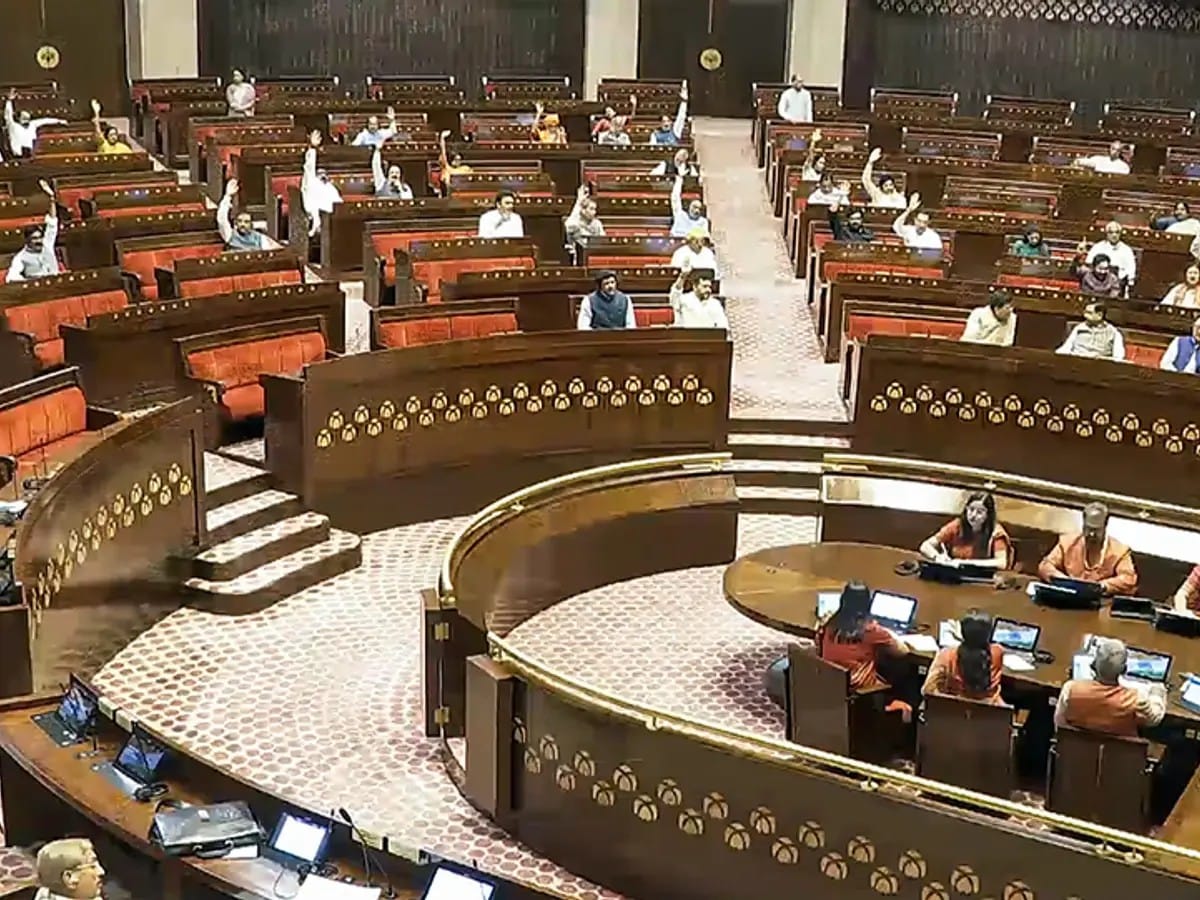
The Parliament Monsoon Session 2026 begins on July 20 under intense political debate. The NDA government is pushing five major bills, including income tax and judicial expansions, while a unified Opposition corners the Centre over NEET-UG leaks, Ayodhya donation audits, and shifting coalition majorities.
NEW DELHI — The Monsoon Session of Parliament formally commences on Monday, July 20, 2026, setting the stage for a highly contentious 19-sitting legislative term. Union Parliamentary Affairs Minister Kiren Rijiju announced that the session will run through August 13, 2026, targeting essential regulatory updates.
This parliamentary sitting opens under severe political friction. The National Democratic Alliance (NDA) government is aggressively pushing forward a packed legislative docket featuring income tax reforms and judicial expansions.
Concurrently, the Opposition INDIA bloc has closed ranks to confront the Treasury benches over the widespread National Eligibility cum Entrance Test (NEET-UG) paper leak case, alleged financial discrepancies involving the Ayodhya Ram Temple donation funds, and the evolving power dynamics resulting from fractures in regional political parties.
Centre Outlines Key Bills for Judicial and Administrative Reforms
The Ministry of Parliamentary Affairs circulated an active legislative agenda introducing five new Bills alongside two pending pieces of legislation. A primary objective for the Centre during this session is replacing active executive decrees with permanent statutory laws.
Among the key legal measures, the Supreme Court (Number of Judges) Amendment Bill, 2026, seeks to expand the sanctioned strength of the apex court's bench from 33 to 37 judges to tackle a growing backlog of cases. The government will also introduce the Income-tax (Amendment) Bill, 2026, to solidify transitional revenue structures.
Additional new draft laws scheduled for first-reading introductions include:
The Prevention of Insults to National Honour (Amendment) Bill, 2026, making disruption during the national song a punishable offense.
The Registration of Births and Deaths (Amendment) Bill, 2026, tightening institutional tracking metrics.
The Micro, Small and Medium Enterprises Development (Amendment) Bill, 2026.
Fierce parliamentary debate is also anticipated over the Foreign Contribution (Regulation) Amendment Bill, 2026, which seeks stricter transparency for non-governmental organizations utilizing foreign funds.
Opposition Framework Centers on NEET-UG Row and Ayodhya Donation Audits
The first clear sign of a stormy session emerged on Sunday, July 19, when Opposition leaders staged a symbolic walkout from the customary all-party meet convened by the government. Leaders from the Indian National Congress stated that the floor strategy would remain fixed on holding the executive accountable for structural failures in national competitive exams.
Compounding the educational unrest is the ongoing hunger strike led by climate activist Sonam Wangchuk, who was moved to a Delhi hospital facility by security forces. Protesters outside the state complex are actively demanding administrative accountability over competitive testing frameworks.
Furthermore, the Opposition plans to introduce motions demanding a thorough audit into alleged embezzlement within the Ayodhya Ram Temple donation accounts. The Centre has signaled that it will resist these inquiries, maintaining that local financial monitoring falls under the state jurisdiction of Uttar Pradesh.
Realignment of Ranks: Changing Parliamentary Arithmetic
The political landscape entering the 2026 Monsoon Session reveals a significant shift in coalition numbers. The NDA has steadily bolstered its operational majorities in the Lower House due to structural fractures within regional opposition units.
Lok Sabha Speaker Om Birla recently approved separate seating allocations for a faction of 20 rebel Trinamool Congress (TMC) MPs who merged into the National Citizens Party of India (NCPI) and extended floor support to the ruling NDA alliance.
Similarly, political shifts within the Shiv Sena (UBT) and the Nationalist Congress Party (NCP) circles have re-balanced voting metrics in both chambers. This altered arithmetic may grant the government the necessary support to eventually revive advanced structural measures, such as the contested Delimitation Bill, despite sustained pushback from southern regional blocks.
Official Sources Section
The official schedule and the listed legislative program were verified via executive statements issued by the Ministry of Parliamentary Affairs and parliamentary notifications distributed by the Lok Sabha Secretariat. Parliamentary arithmetic and party merger approvals were sourced through formal listings maintained by the Speaker's Office.
Quote Section
Addressing reporters ahead of the opening session, Congress General Secretary K.C. Venugopal stated:
"There is widespread anger among the people regarding the complete compromise of our national examination systems and financial transparency. We will continue to be the voice of that anger on the floor of Parliament come July 20."
Reiterating the administration's stance during the all-party outreach, an official coordinator from the Treasury benches added:
"According to officials, the primary objective of this session remains the passage of critical economic and judicial reforms to enhance governance. The government is fully prepared for structured, meaningful debates on all matters of national importance provided the houses are allowed to function smoothly."
Why It Matters
The outcomes of this 19-sitting session carry immediate consequences for Indian citizens, businesses, and institutional frameworks. Increasing the bench strength of the Supreme Court directly influences judicial turnaround times for commercial and civil litigants. Meanwhile, passing stricter income tax and birth registration amendments alters standard compliance paths for the public. Additionally, the resolution of the NEET debate will shape future regulatory oversight for millions of student aspirants nationwide.
Key Facts at a Glance
Session Duration: Runs from July 20 to August 13, 2026, encompassing 19 scheduled institutional sittings.
Judicial Expansion: The government seeks to increase the number of Supreme Court judges from 33 to 37 to reduce pendency.
Opposition Focus: Formal protests are organized around the NEET-UG examination leaks and the Ayodhya donation audits.
Altered Majorities: The NDA’s floor position has been strengthened following the integration of 20 breakaway regional MPs into supporting factions.
FAQ Section
Q1: What are the main Bills the government wants passed in this session?
A1: The Centre is prioritizing five new legislations, prominently including the Income-tax (Amendment) Bill and the Supreme Court (Number of Judges) Amendment Bill, alongside the highly debated Foreign Contribution (Regulation) Amendment Bill.
Q2: Will the Delimitation Bill be reintroduced during this session?
A2: While the Delimitation Bill is not formally listed on the opening week's legislative agenda, official sources indicate the government is redrafting provisions to address state-level imbalances for potential reintroduction later in the term.
Q3: How do the recent political defections affect the functioning of the Lok Sabha?
A3: The recognition of separate seating for 20 rebel MPs by the Speaker shifts the voting balance closer to the two-thirds threshold required for constitutional amendments, potentially easing the passage of contested government bills.
Source: Lok Sabha Secretariat Official Archive, Ministry of Parliamentary Affairs Press Releases, Press Information Bureau (PIB) India