Neurologists and clinical dietitians emphasize that strategic dietary choices and consistent hydration play a critical role in managing migraine attacks. By identifying specific food triggers and maintaining proper fluid intake, patients can significantly reduce the frequency and severity of neurological episodes, improving overall daily health and wellness.
Clinical experts report that identifying dietary triggers and maintaining strict hydration schedules offer powerful, non-pharmacological relief for chronic migraine sufferers.
For millions of individuals coping with chronic neurological pain, managing unpredictable migraine attacks remains a daily medical challenge. According to clinical guidelines and health updates published by medical research institutions in August 2026, targeted adjustments to daily nutrition and fluid intake can significantly reduce the frequency and intensity of migraine episodes. Neurologists emphasize that understanding personal food triggers, stabilizing blood sugar levels, and maintaining optimal hydration serve as foundational pillars in mitigating debilitating head pain without relying exclusively on acute medications.
Identifying Dietary Triggers and Nutritional Stability
Dietary management forms a cornerstone of modern neurological care. Medical research indicates that specific chemical compounds found in processed foods, aged cheeses, and artificial additives can stimulate neurological pathways, triggering severe vascular headaches in sensitive individuals.
Key dietary strategies recommended by clinical specialists include:
Blood Sugar Regulation: Skipping meals causes blood sugar levels to plummet, which frequently provokes migraine attacks. Eating balanced meals at consistent intervals helps maintain neurological stability.
Identifying Chemical Triggers: Eliminating common dietary triggers—such as excessive caffeine, monosodium glutamate (MSG), artificial sweeteners, and processed meats—drastically reduces attack frequency.
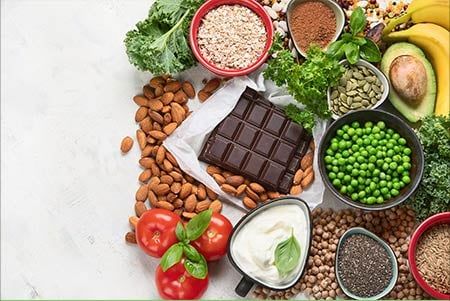
Magnesium and Omega-3 Enrichment: Incorporating magnesium-rich foods like leafy greens, nuts, and seeds, alongside omega-3 fatty acids, supports nerve function and reduces inflammation.
Structured Hydration Habits: Dehydration stands as one of the most common catalysts for vascular headaches. Maintaining steady water intake throughout the day prevents the blood volume contraction that often causes head pain.
Impact on Citizens, Consumers, and Workplace Productivity
For everyday citizens and corporate professionals navigating chronic migraines, unexpected attacks lead to significant lost productivity and reduced quality of life. Adopting proactive dietary management empowers patients to take control of their symptoms, lowering medical expenses related to frequent emergency consultations and specialized prescription treatments. Furthermore, workplace awareness of nutritional triggers helps foster supportive environments for individuals managing chronic health conditions.
Why It Matters
Migraines extend far beyond ordinary headaches, severely disrupting personal and professional lives. Implementing evidence-based nutritional changes and maintaining proper hydration offers an accessible, sustainable method for reducing attack severity and enhancing long-term neurological health.
Key Facts at a Glance
Primary Focus: Managing migraine frequency through food choices and hydration.
Major Catalyst: Dehydration and irregular meal timing are leading triggers for vascular headaches.
Nutritional Support: Magnesium-rich foods and stable blood sugar levels protect neurological health.
Clinical Goal: Reducing reliance on acute medications through proactive dietary adjustments.
FAQ Section
How does dehydration trigger migraine attacks?
Dehydration causes blood volume to drop, reducing oxygen flow to the brain and leading to vascular contraction and subsequent head pain.
What are the most common food triggers associated with migraines?
Common triggers include aged cheeses, processed meats containing nitrates, artificial sweeteners, excessive caffeine, and food additives like MSG.
Can eating regular meals actually prevent migraine headaches?
Yes. Skipping meals causes blood sugar to fluctuate sharply, which acts as a powerful neurological stressor and frequently precipitates a migraine attack.
Where can readers find reliable medical guidelines on migraine diets?
Comprehensive educational resources and clinical advice are accessible via the American Migraine Foundation and the Mayo Clinic.
Source: American Migraine Foundation, Mayo Clinic, Healthline