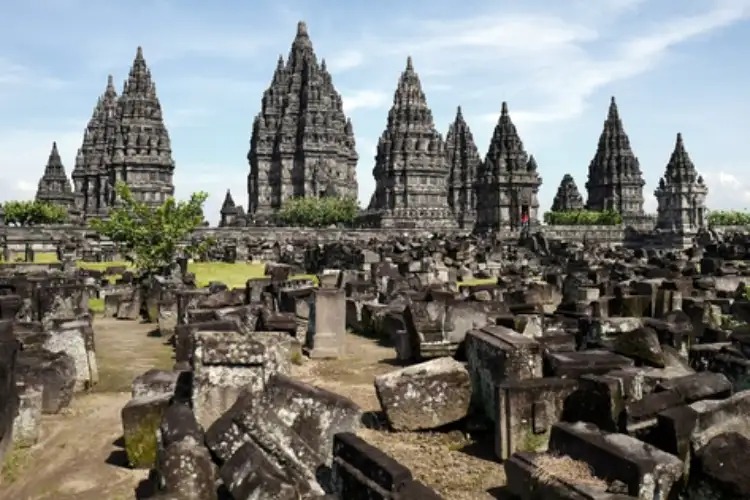
Prime Minister Narendra Modi and Indonesian President Prabowo Subianto will launch a conservation project for the historic 9th-century Prambanan Temple in Yogyakarta on July 8, 2026. Supported by the Archaeological Survey of India, the restoration aims to preserve the UNESCO-listed site while strengthening bilateral cultural and strategic ties between the two nations.
The initiative to conserve the 1,000-year-old UNESCO World Heritage site highlights the deep-rooted cultural and civilizational ties between India and Indonesia.
JAKARTA, Indonesia — Prime Minister Narendra Modi, currently on a landmark diplomatic visit to Indonesia, announced on Tuesday that he will join Indonesian President Prabowo Subianto in launching a major conservation project for the historic Prambanan Temple complex. The announcement, made during a joint press statement at the Istana Merdeka in Jakarta, marks a significant milestone in India’s “Act East” policy and its growing focus on cultural diplomacy in Southeast Asia.
The project, which is scheduled for official commencement on Wednesday, July 8, 2026, in Yogyakarta, aims to restore and preserve several smaller temples within the sprawling 9th-century complex. The Archaeological Survey of India (ASI) has been tasked with providing technical expertise for the restoration efforts, partnering closely with Indonesian authorities to safeguard the monument for future generations.
A Legacy of Shared Heritage
The Prambanan Temple, a UNESCO World Heritage site since 1991, is one of the largest Hindu temple complexes in the world. Built in the 9th century AD, the site consists of 240 temples dedicated to the Hindu trinity of Shiva, Vishnu, and Brahma. The central Shiva temple, standing 47 meters tall, remains a masterpiece of classical-period architecture.
"More than a thousand years old, the Prambanan Temple stands as a symbol of the shared cultural heritage of India and Indonesia," Prime Minister Modi said during the joint press conference.
The site has faced significant challenges over the centuries, including damage from volcanic eruptions, shifts in political power during the 11th century, and the devastating May 2006 Java earthquake. While extensive restoration has occurred since 1918 using both traditional interlocking stone methods and modern structural reinforcement, the new collaboration with the ASI is expected to introduce specialized conservation techniques to ensure the integrity of the remaining structures.
Strategic Cultural Diplomacy
The conservation of the Prambanan Temple is part of a broader vision to bridge civilizational comfort with strategic capability. According to official statements from the Indian Ministry of External Affairs, the project stems from a commitment made by the two leaders during their 2025 meeting.
Beyond heritage preservation, the initiative is designed to:
Boost Tourism: The project is expected to enhance Yogyakarta’s status as a premier cultural tourism destination, attracting more international visitors, particularly from India.
Strengthen Ties: The restoration serves as a tangible symbol of a partnership that combines historical links with future-oriented cooperation in areas like technology, maritime security, and digital infrastructure.
Academic Collaboration: The mission will foster deeper academic and people-to-people exchanges, further solidified by the declaration of the upcoming year as the "Tagore-Dewantara Year of Cultural and Educational Diplomacy."
Official Sources
According to ANI News, the announcement followed extensive delegation-level talks between PM Modi and President Subianto. The Indian Embassy in Jakarta has noted that the ASI is internationally recognized for such conservation efforts, having previously led successful restoration projects at Angkor Wat in Cambodia and other sites in Laos and Vietnam.
Why It Matters
For both nations, the Prambanan restoration project is more than just a historical preservation effort; it is a manifestation of the "Act East" policy in practice. By investing in the preservation of Southeast Asian cultural landmarks, India is reinforcing its role as a key regional partner. For the local economy in Yogyakarta, the project is a welcome addition to Indonesia’s tourism development strategy, potentially driving significant interest from global heritage travelers.
Key Facts at a Glance
Monument: Prambanan Temple, a 9th-century Hindu complex and UNESCO World Heritage site.
Partnership: The Archaeological Survey of India (ASI) is providing technical conservation support to Indonesian authorities.
History: The complex includes 240 temples dedicated to Shiva, Vishnu, and Brahma; the central Shiva temple stands 47 meters tall.
Event: Prime Minister Modi and President Prabowo Subianto are set to launch the project in Yogyakarta on July 8, 2026.
Frequently Asked Questions
Why is India involved in the conservation of an Indonesian temple?
The project aims to preserve shared cultural and historical heritage, reinforcing the civilizational bonds between the two nations under the "Act East" policy.
What is the Archaeological Survey of India's role?
The ASI will provide technical assessment and conservation expertise for the restoration of smaller temples within the complex, utilizing its experience from similar projects in Southeast Asia.
Will the site remain open to tourists during the restoration?
While specific closures for work areas may occur, the project is intended to bolster tourism to Yogyakarta by enhancing the long-term preservation and presentation of the site.
Source: Archaeological Survey of India (ASI), Ministry of External Affairs (India), ANI News