Prime Minister Narendra Modi’s three-nation tour of the Indo-Pacific aims to secure resilient supply chains and deepen economic partnerships. By focusing on critical technologies like semiconductors and renewable energy, the visit seeks to integrate Indian businesses into regional networks, enhancing trade security and bolstering India's position as a key manufacturing hub.
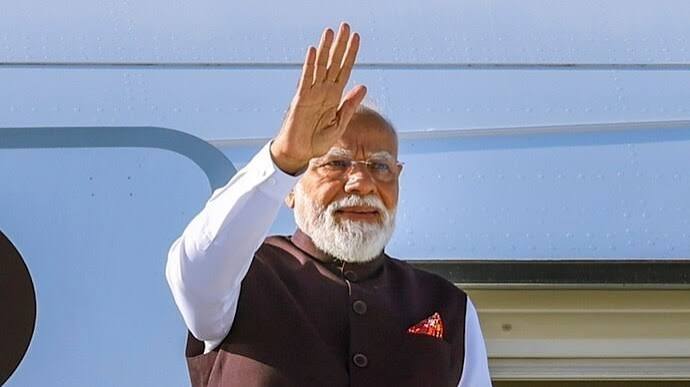
NEW DELHI — Prime Minister Narendra Modi embarked on a strategic three-nation tour this week, prioritizing the strengthening of India's Indo-Pacific economic partnerships. The high-level mission, which began on July 21, 2026, is designed to consolidate trade agreements, enhance maritime security cooperation, and establish diversified supply chain networks across key regional economies.
This tour follows a period of heightened geopolitical activity in the region, where India has sought to position itself as a central hub for manufacturing and digital services. By engaging with these nations, the Prime Minister aims to catalyze deeper integration between Indian enterprises and their regional counterparts, focusing on critical technologies and sustainable infrastructure.
Deepening Strategic and Commercial Alliances
The tour itinerary includes a series of bilateral summits and business roundtables where the focus remains heavily on the Indo-Pacific economic landscape. According to the Ministry of External Affairs, the discussions are centered on institutionalizing trade frameworks that can withstand global volatility.
The Prime Minister is scheduled to oversee the signing of multiple Memorandums of Understanding (MoUs) involving sectors such as renewable energy, semiconductor manufacturing, and cybersecurity. These agreements are expected to create a structured environment for foreign direct investment (FDI) into India, while simultaneously opening doors for Indian businesses to expand their footprint in the Indo-Pacific.
Securing Supply Chains for the Future
A primary objective of this tour is to reduce over-reliance on singular markets by fostering a "China-plus-one" strategy, which has gained momentum among major Indo-Pacific economies. Officials indicate that India is positioning itself as a reliable alternative, emphasizing its "Make in India" initiative to attract companies looking to relocate or expand their production bases.
"The Prime Minister’s visit signifies a proactive shift in our foreign policy, moving toward tangible economic outcomes," stated a senior official from the Department of Commerce. The focus on regional supply chain resilience aims to protect essential goods and services from potential disruptions, ensuring greater stability for Indian businesses and consumers alike.
Impact on Regional Stakeholders
For investors, the tour signals a period of long-term policy predictability and potentially lower trade barriers. Small and medium-sized enterprises (SMEs) are also expected to benefit from new technology transfer protocols that the government plans to negotiate throughout the visit. Furthermore, travelers and expatriates within the region may see streamlined visa processes and digital connectivity initiatives as a result of the enhanced cooperation frameworks.
Official Sources
Ministry of External Affairs (MEA), India: Provided the official agenda and objectives regarding the Prime Minister's three-nation tour.
Department of Commerce, Government of India: Released details concerning potential trade agreements and supply chain initiatives.
Prime Minister’s Office (PMO): Issued statements regarding the diplomatic significance of the Indo-Pacific engagements.
Quote Section
"The Prime Minister’s tour is a manifestation of India’s commitment to a free, open, and prosperous Indo-Pacific," stated an official spokesperson. According to officials, the engagements will serve to align India’s domestic economic goals with the broader prosperity of the Indo-Pacific region, ensuring that India remains at the heart of regional growth.
Why It Matters
The strengthening of Indo-Pacific economic partnerships is essential for India’s long-term economic security. By securing trade routes and technological alliances, India is mitigating the risks of supply chain fragility. This tour acts as a diplomatic bridge, turning geopolitical alignment into concrete commercial opportunity, which is vital for maintaining India's high growth trajectory in the coming decade.
Key Facts at a Glance
Geographic Focus: The tour targets high-growth Indo-Pacific economies crucial for maritime trade.
Core Sectors: Emphasis on semiconductor manufacturing, renewable energy, and digital infrastructure.
Economic Strategy: Promoting India as a reliable supply chain partner and manufacturing hub.
Bilateral Targets: Strengthening trade frameworks and simplifying regulatory environments for investors.
FAQ
What is the main goal of the Prime Minister’s three-nation tour?
The tour aims to strengthen India’s Indo-Pacific economic partnerships, secure supply chains, and foster greater technological and commercial integration.
How will this tour impact Indian businesses?
It is expected to reduce trade barriers, provide access to new regional markets, and facilitate technology transfers for Indian SMEs and manufacturing sectors.
Why is the Indo-Pacific important for India’s economic growth?
The Indo-Pacific is home to several of the world’s fastest-growing economies and critical maritime trade routes, making it a strategic priority for India’s long-term economic security.
Source: Ministry of External Affairs, Department of Commerce, Prime Minister's Office