As Bengaluru wakes up to another week of grey skies and soggy commutes, the India Meteorological Department (IMD) has issued a yellow alert for the city, warning of moderate to heavy rainfall through August 11. With the southwest monsoon staging a strong comeback, residents are bracing for more d...
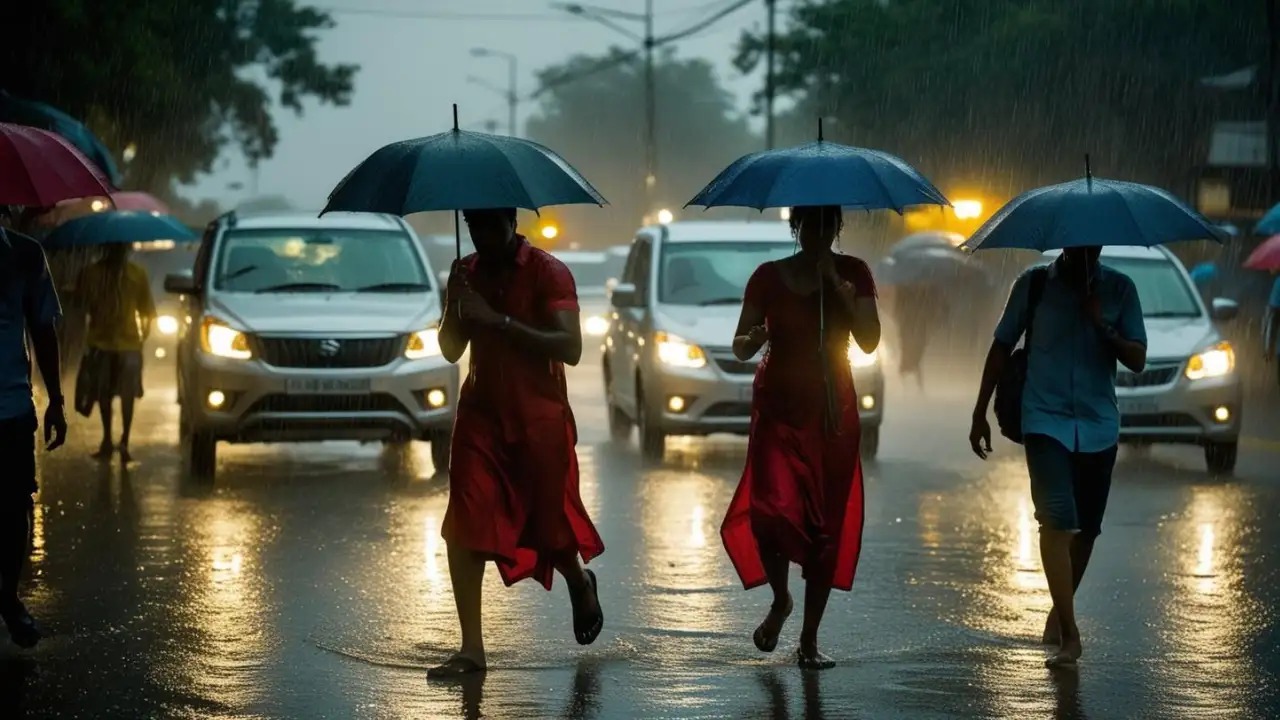
As Bengaluru wakes up to another week of grey skies and soggy commutes, the India Meteorological Department (IMD) has issued a yellow alert for the city, warning of moderate to heavy rainfall through August 11. With the southwest monsoon staging a strong comeback, residents are bracing for more disruptions, health concerns, and traffic snarls. Here’s a comprehensive look at what’s unfolding and what to expect in the days ahead.
Key developments at a glance
- IMD has issued a yellow alert for Bengaluru until August 11, with a possible extension depending on rainfall intensity
- The southwest monsoon, which entered a break phase on August 4, is now reviving across southern India
- A cyclonic circulation over north Andhra Pradesh may evolve into a low-pressure system, intensifying rainfall across Karnataka
- Waterlogging has been reported in several low-lying areas, including V.Nagenahalli, Hampi Nagar, Jakkuru, and Horamavu
- Health risks are rising due to stagnant water and high humidity, prompting concerns over mosquito-borne illnesses
Rainfall impact across Bengaluru
1. V.Nagenahalli recorded the highest rainfall at 42 mm, followed by Hampi Nagar (30.5 mm), Jakkuru and Horamavu (27.5 mm each), and Singasandra (24 mm)
2. Major roads in Koramangala, Ramamurthy Nagar, and Kasturi Nagar have turned into water channels, slowing traffic to a crawl
3. Commuters are facing knee-deep water in several pockets, with Bengaluru Traffic Police issuing alerts for delays across arterial routes
4. Residents in low-lying areas are battling stagnant water around homes, with fears of dengue and other vector-borne diseases mounting
Forecast and weather conditions
- August 10: Cloudy skies with moderate rain; temperatures between 28°C and 21°C; humidity above 80 percent
- August 11: Similar conditions expected; temperatures between 29°C and 20°C
- August 12–15: Moderate rain likely to continue, with isolated heavy showers in Malnad and coastal districts
- Wind speeds may reach up to 40 km/h, especially during evening hours
- The Indian Ocean Dipole (IOD) phase has not yet set in, but cooler Arabian Sea conditions may influence moisture supply and rainfall patterns
Regional outlook beyond Bengaluru
- Coastal districts like Dakshina Kannada, Udupi, and Uttara Kannada are expected to receive widespread heavy rainfall from August 12 to 18
- Malnad regions including Kodagu, Chikkamagaluru, and Shivamogga may see moderate showers (30–60 mm) and isolated heavy downpours exceeding 100 mm
- North Interior Karnataka, including Belagavi and surrounding highlands, is likely to experience consistent heavy rainfall
- Fishermen have been advised to avoid venturing into the sea due to squally conditions and wind speeds reaching 60 km/h
Infrastructure and urban challenges
- Bengaluru’s drainage systems continue to struggle under the weight of intense rainfall, exposing gaps in urban planning
- Power outages and tree falls have been reported in several neighborhoods, adding to commuter woes
- The city’s health department is on alert, with advisories issued for waterborne and mosquito-related illnesses
- Schools and offices remain open, but many are switching to remote operations due to travel disruptions
What residents should do
- Avoid travel during peak rain hours unless necessary
- Stay updated via IMD and local traffic advisories
- Clear stagnant water around homes to prevent mosquito breeding
- Keep emergency supplies ready, including flashlights, drinking water, and basic medicines
- Watch out for slippery roads, fallen branches, and open manholes during commutes
As Bengaluru navigates this renewed monsoon surge, the city’s resilience is once again being tested. While the rains bring much-needed relief to reservoirs and crops, they also underscore the urgent need for better infrastructure and disaster preparedness. For now, umbrellas, patience, and caution remain the city’s best allies.
Sources: Times Now, NewsBytes, The Week, Economic Times, EaseWeather, Weather25, India Meteorological Department (IMD)