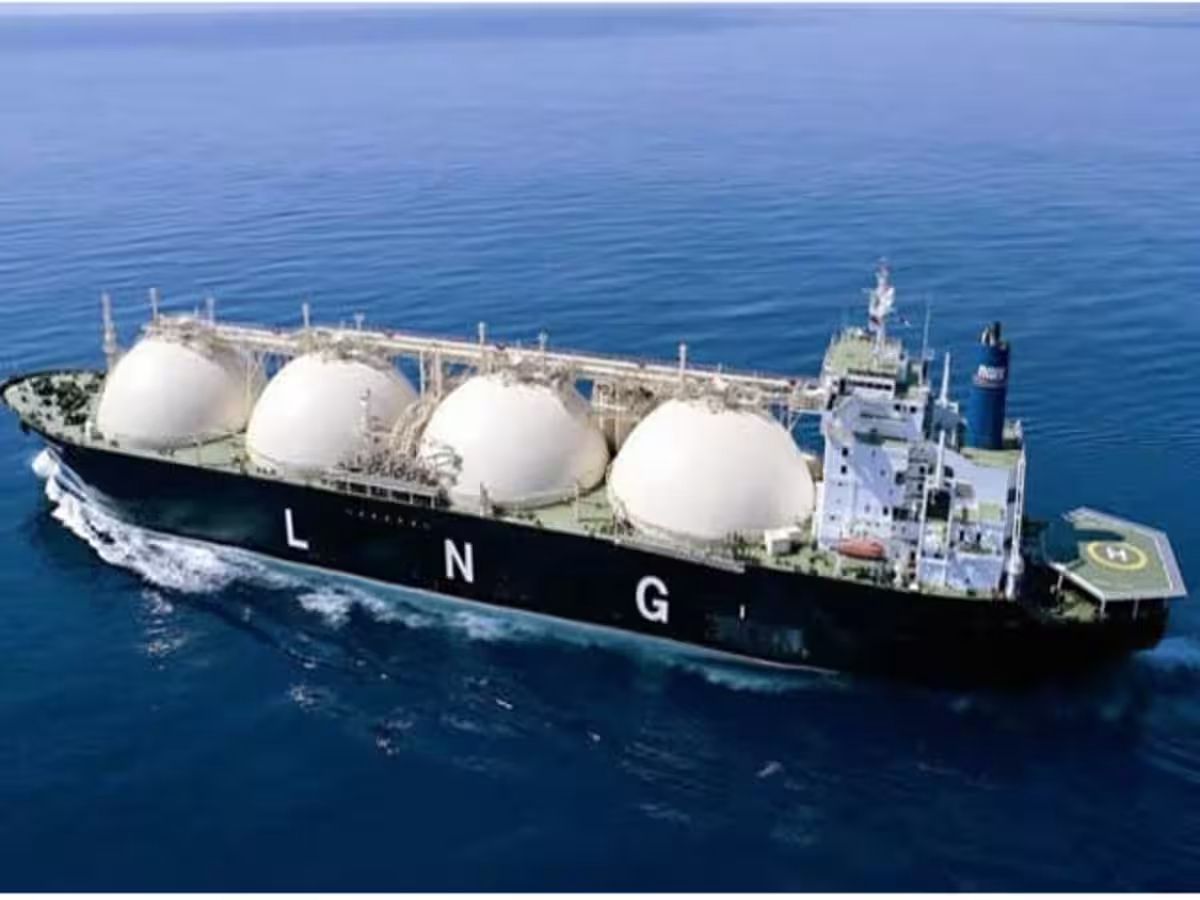
Indian energy companies are paying over $23 per million British thermal units for September liquefied natural gas cargoes, marking some of the highest import prices seen since 2022. State-backed buyers are aggressively bidding on the spot market as the Iran war severely disrupts traditional Middle Eastern shipping routes and supplies.
Backed by recent market disclosures, state-backed energy firms are facing steep spot market import bills as geopolitical conflicts severely restrict traditional maritime trade corridors.
Escalating Spot Market Costs for Liquefied Natural Gas
The global energy markets are experiencing heightened financial pressure following prolonged geopolitical conflicts in the Middle East. According to industry reports published in August 2026, Indian energy companies have been forced to pay more than $23 per million British thermal units (mmbtu) for liquefied natural gas (LNG) cargoes scheduled for September delivery.
Market analysts note that these figures represent some of the highest spot market import prices absorbed by domestic buyers since 2022. State-backed participants, including GAIL (India) Ltd. and Gujarat State Petroleum Corp. (GSPC), have recently secured September delivery slots within this elevated price bracket, while Bharat Petroleum Corp. Ltd. (BPCL) has similarly turned to the spot market to acquire necessary fuel volumes.
Impact of Regional Conflict on Global Supply Chains
The sudden surge in procurement costs stems directly from structural supply chain bottlenecks caused by the ongoing war involving Iran and subsequent disruptions across key transit routes. India traditionally secures the bulk of its long-term natural gas supplies through contracted deliveries from major Middle Eastern exporters such as Qatar.
However, regional security incidents—including damage sustained at major export infrastructure in March and ongoing navigation restrictions affecting commercial vessels passing through the Strait of Hormuz—have heavily constrained normal maritime flows. Compounding the challenge, Indian buyers are forced to compete directly with energy-constrained European utilities, where winter stock preparations and alternative sourcing demands have pushed regional gas benchmarks to multi-month highs. Consequently, state energy entities are bidding aggressively on spot cargoes primarily to support domestic fertilizer manufacturers and city gas distribution networks that rely heavily on consistent gaseous fuel inputs.
Why It Matters
The practical implications of these elevated import costs affect industrial manufacturing margins, agricultural input pricing, and domestic utility expenditures. As state-backed distributors absorb record spot prices to maintain uninterrupted supply for critical sectors like fertilizer production, overall energy procurement expenses climb, putting broader inflationary pressures on the national economy.
Key Facts at a Glance
Import Price Levels: Indian energy firms are paying over $23 per mmbtu for September LNG cargoes.
Key Market Participants: State-run entities including GAIL India, Gujarat State Petroleum Corp., and Bharat Petroleum have engaged in spot market purchases.
Primary Supply Disruptions: Ongoing conflict in the Middle East has restricted commercial maritime traffic through the Strait of Hormuz and impacted regional export terminals.
Sectoral Impact: Spot purchases are heavily driven by the need to sustain uninterrupted feedstock for domestic fertilizer producers.
FAQ Section
Why are Indian energy companies paying higher prices for LNG?
Prices have surged above $23 per mmbtu due to severe supply chain disruptions caused by the ongoing war in the Middle East, which has restricted tanker movements through critical shipping lanes like the Strait of Hormuz.
Which companies have recently purchased high-priced spot cargoes?
Major state-backed firms including GAIL (India) Ltd., Gujarat State Petroleum Corp., and Bharat Petroleum Corp. have secured or agreed to purchase September delivery cargoes on the spot market.
How does this impact domestic industries in India?
Higher import costs directly affect sectors reliant on natural gas feedstock, particularly fertilizer manufacturing and city gas distribution, increasing overall operational expenditure.
Where can readers monitor real-time updates on energy markets and commodity pricing?
Comprehensive tracking of oil, gas, and commodity movements is available through The Economic Times Energy Desk and NDTV Profit.
Source: The Economic Times, NDTV Profit, Bloomberg Energy Markets