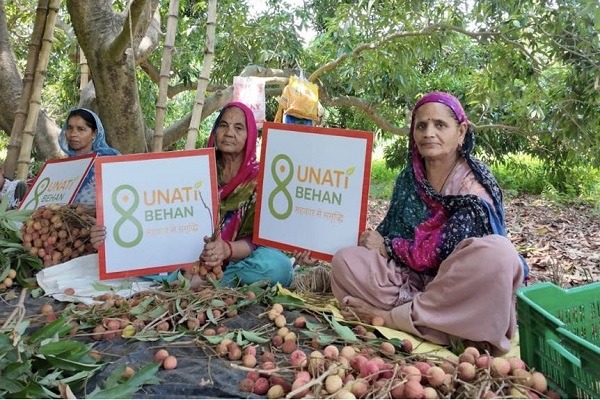
Fresh litchis from Hoshiarpur, Punjab, have reached Oman for the first time, marking a milestone facilitated by APEDA and the India-Oman CEPA. This export strengthens India's global horticultural presence, following similar successful market entries for litchis from Assam and Uttarakhand in international markets this year.
NEW DELHI — In a major development for India’s agricultural sector, the first-ever consignment of fresh litchis from Punjab has been successfully exported to Oman. The shipment, sourced from the Ummat Agri Allied Cooperative Society in Hoshiarpur, represents a strategic expansion of India’s horticultural footprint into the Gulf region.
The export was facilitated by the Agricultural and Processed Food Products Export Development Authority (APEDA), operating under the Union Ministry of Commerce and Industry. This initiative utilizes the enhanced market access framework provided by the India-Oman Comprehensive Economic Partnership Agreement (CEPA), a trade pact designed to bolster bilateral commerce and support farmers.
Boosting the Agricultural Export Basket
The successful entry into the Omani market follows a series of recent successes for India’s fruit exports. Union Minister of Commerce and Industry Piyush Goyal announced the achievement via social media, emphasizing the broader economic impact for local cultivators.
"From fields to Gulf countries, Punjab’s litchi creates new history," the Minister stated, noting that such initiatives are vital steps toward increasing farmers' incomes and accelerating agricultural exports. According to officials, the move not only strengthens the global recognition of Indian agricultural products but also provides Hoshiarpur’s growers with access to higher-value international markets.
A Season of International Expansion
The export to Oman is part of a wider effort to diversify the destinations for Indian premium produce. Throughout the 2026 summer season, APEDA has actively coordinated the shipment of high-quality Indian litchis to various global hubs:
Italy: In June 2026, the first consignment of Uttarakhand’s premium Dehradun litchi was exported to Italy, marking a breakthrough in European markets.
Dubai and Singapore: Assam’s Geographical Indication (GI)-tagged Tezpur litchi saw its inaugural international shipment to Dubai and Singapore earlier in June, coinciding with the century-long celebration of the fruit’s cultivation in the region.
These successive exports reflect a concerted government strategy to promote premium, region-specific produce and improve price realization for farmers. By tapping into trade corridors like the CEPA, the government aims to establish a sustainable model where niche agricultural products move beyond domestic borders to compete on the global stage.
Why It Matters
For Indian farmers, the opening of these international trade routes serves as a critical economic incentive. By moving beyond domestic wholesale markets—where supply gluts can often drive prices down—growers can access international buyers who pay a premium for high-quality, authentic regional produce. This trend is expected to encourage better farming practices, quality control, and participation in formal export value chains, ultimately benefiting the rural economy.
Key Facts at a Glance
First-Time Milestone: Fresh litchis from the Ummat Agri Allied Cooperative Society in Hoshiarpur, Punjab, reached Oman for the first time.
Facilitator: The export was organized by APEDA under the Ministry of Commerce and Industry.
Trade Framework: The trade leveraged the India-Oman CEPA, which provides strategic market opportunities for Indian exporters.
Broader Trend: This follows recent international shipments of litchis from Uttarakhand (to Italy) and Assam (to Dubai and Singapore).
FAQ
Why is the export of Punjab litchis to Oman significant?
It represents the first time this specific regional produce has accessed the Omani market, signaling the success of the India-Oman trade agreement in opening new pathways for Indian farmers.
How does this impact local farmers?
Accessing international markets allows farmers to bypass local price fluctuations, helping them secure better returns for their premium produce compared to domestic wholesale rates.
What other Indian fruits are being exported?
While mangoes, bananas, and grapes remain primary exports, India is increasingly exporting specialty fruits like litchis, jamun, and cherries to diversify its agri-export basket.
What is the role of APEDA in this process?
APEDA acts as a facilitator, linking farmers and cooperatives with exporters, ensuring quality compliance, and navigating international trade regulations.
Source: Agricultural and Processed Food Products Export Development Authority (APEDA), Ministry of Commerce and Industry, ANI News