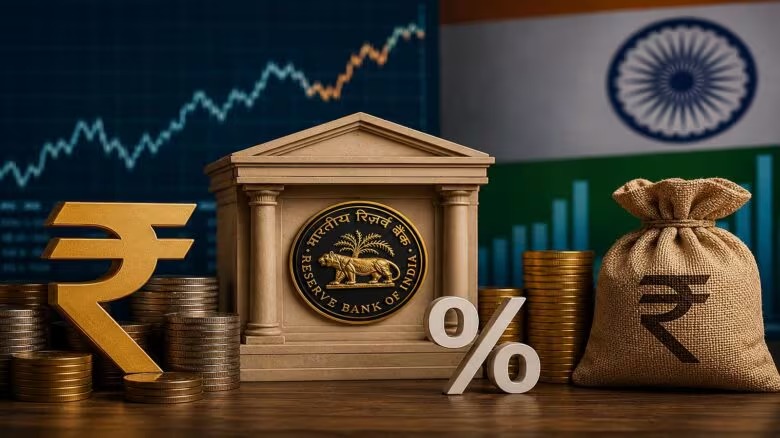
The Reserve Bank of India successfully raised ₹340 billion in a government bond auction on July 3, 2026. The 6.94% 2036 securities were sold at a cut-off price of ₹101.50, yielding 6.7275%. The full subscription of the auction underscores robust investor appetite and fiscal stability in the domestic debt market.
The Reserve Bank of India successfully concluded its latest bond auction on Friday, meeting the government's full borrowing target as market sentiment remains steady.
MUMBAI — The Reserve Bank of India (RBI) successfully conducted an auction of government securities on Friday, July 3, 2026, raising the full targeted amount of ₹340 billion. The auction for the 6.94% 2036 bond saw a cut-off price set at ₹101.50, resulting in a cut-off yield of 6.7275%.
The auction results, which align with the government’s scheduled borrowing program, come at a time when the Indian fixed-income market is witnessing heightened interest from both domestic and foreign investors. Despite global macroeconomic volatility, the full subscription of the offering signals sustained appetite for sovereign debt in the domestic market.
Market Dynamics and Auction Details
The 6.94% 2036 bond, a key long-term maturity instrument, saw competitive bidding from primary dealers and financial institutions. By maintaining the yield at 6.7275%, the central bank effectively managed the cost of borrowing for the government while satisfying investor demand.
Market analysts noted that the successful completion of the ₹340 billion auction provides a degree of stability to the broader G-Sec market. The yield levels are reflective of current liquidity conditions and the market's internal assessment of the long-term interest rate trajectory, particularly as investors weigh the potential for shifts in global monetary policy.
Strategic Significance for Debt Management
The government's ability to raise the total targeted amount in a single auction cycle is a crucial indicator of fiscal health and market confidence. These funds are vital for financing infrastructure development and managing the fiscal deficit for the current financial year.
According to officials, the auction process followed the standard multiple-price method, ensuring transparency and efficiency. The demand for the 6.94% 2036 bonds remains a barometer for long-term sentiment toward the Indian economy, as investors seek fixed-income assets that offer stability amidst evolving inflationary pressures and crude oil price fluctuations.
Why It Matters
For businesses and retail investors, government bond yields are a primary benchmark for interest rates across the economy. A stable yield environment, as demonstrated by the 6.7275% cut-off, helps in anchoring long-term financing costs for corporate debt and bank lending. As India continues to integrate its debt market more deeply with global benchmarks, the efficient conduct of these auctions serves to build confidence among international investors regarding the depth and liquidity of the Indian sovereign bond market.
Key Facts at a Glance
Total Amount Raised: ₹340 Billion (Full target achieved).
Bond Instrument: 6.94% Government Security 2036.
Cut-off Price: ₹101.50.
Cut-off Yield: 6.7275%.
Auction Date: Friday, July 3, 2026.
FAQ
What does a cut-off yield of 6.7275% signify?
The cut-off yield represents the interest rate the government pays to borrow money on these bonds. It acts as a benchmark for other long-term interest rates in the economy.
Why does the government raise money through bond auctions?
These funds are primarily used to cover the fiscal deficit and finance public infrastructure projects and government spending initiatives.
Are these bonds safe for retail investors?
Government securities (G-Secs) are considered among the safest investments in India as they are backed by the sovereign guarantee of the central government.
How does the success of this auction impact the economy?
A fully subscribed auction at stable yields indicates strong market confidence in the government’s fiscal management, which helps maintain stability in the broader financial system.
Source: Reserve Bank of India (RBI), Department of Economic Affairs, Trading Economics