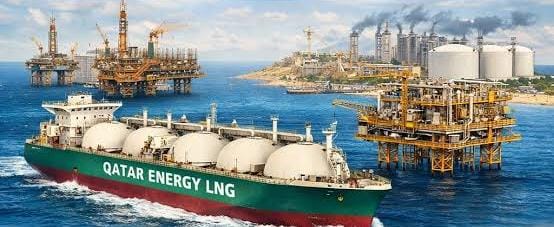
QatarEnergy has publicly offered up five LNG vessel slots for unloading, storage, and regasification at Belgium’s Zeebrugge terminal for April, signaling tighter short‑term European demand and flexible LNG trading activity. The move highlights how Middle Eastern suppliers are helping balance Northwest Europe’s gas‑supply outlook amid seasonal demand shifts and ongoing European energy‑security preparations.
Qatari state‑owned QatarEnergy has made available five LNG cargo slots at the Zeebrugge LNG terminal in Belgium, covering the entire chain from ship unloading through storage and regasification in April. The slots are being marketed to third‑party buyers and traders, rather than being reserved under long‑term contracts, underscoring Qatar’s role as a swing supplier in the European LNG market.
Why Zeebrugge Matters
The Zeebrugge terminal, located in the port of Bruges, is one of the key LNG import gateways in Northwest Europe and has long been anchored by Qatari volumes. It links to major gas pipeline networks, allowing imported LNG to flow into Belgium and onward to neighboring countries, which makes it a preferred hub for flexible gas‑supply contracts.
Market And Timing Context
Publishing these slots in March for April delivery coincides with a period of milder demand in parts of Europe but also with ongoing efforts to maintain healthy storage and import levels. The availability of five slots at a terminal normally operating close to capacity suggests either deliberate commercial flexibility or a temporary lull in contracted cargoes, giving traders and utilities extra options to secure gas.
Strategic Messages From Qatar
Qatar has repeatedly positioned itself as a long‑term underwriter of Europe’s LNG‑ import infrastructure, exemplified by its long‑term capacity agreements at Zeebrugge extending into the 2040s. By periodically offloading short‑term slots, Qatar can fine‑tune its global supply chain, respond to price differentials, and reinforce its reputation as a reliable and adaptable LNG supplier to Europe.
Key Highlights:
-
QatarEnergy is offering five LNG cargo slots for unloading, storage, and regasification at Belgium’s Zeebrugge terminal in April
-
The slots are being marketed to third‑party buyers, reflecting active short‑term LNG trading in Europe
-
Zeebrugge serves as a strategic LNG hub in Northwest Europe, with strong pipeline connectivity to Belgium and neighboring markets
-
The move aligns with Qatar’s broader strategy of supporting European energy security while maintaining flexible LNG supply management
Sources: Reuters, Zeebrugge LNG terminal updates, and industry reports on Qatar’s European LNG strategy