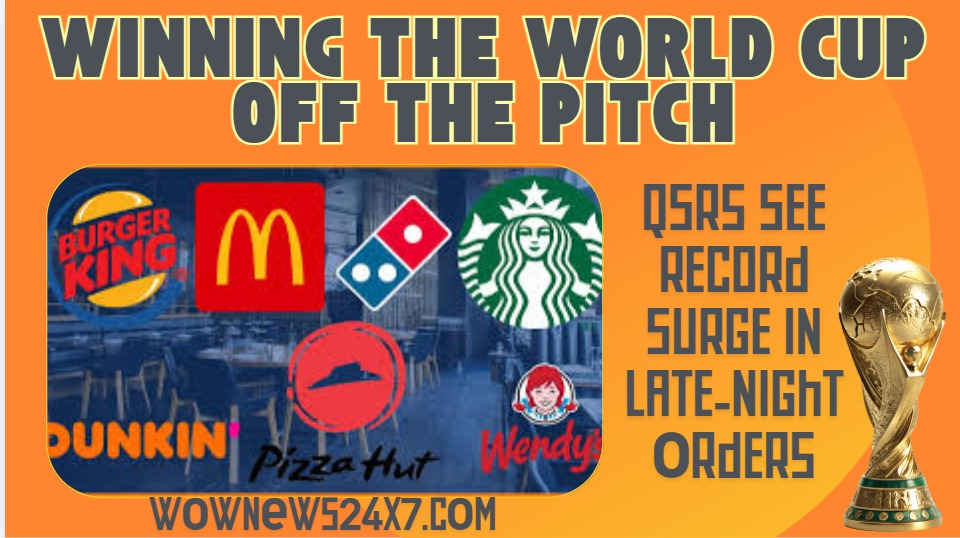
Quick-service restaurants are capitalizing on the 48-team FIFA World Cup 2026 through aggressive marketing, including soccer-themed collectibles and late-night delivery pushes. By leveraging contextual promotions, group meal bundles, and direct-app incentives, QSR chains are successfully converting match-day viewership into a significant surge in consumer spending and long-term brand loyalty.
NEW YORK — As the FIFA World Cup 2026 captivates billions of viewers, Quick-Service Restaurant (QSR) chains are executing high-stakes marketing strategies to capitalize on the tournament's massive reach. From global giants like McDonald’s to localized casual dining operators, brands are deploying sophisticated tactics—ranging from soccer-themed collectibles to aggressive late-night delivery promotions—to turn match-day excitement into record-breaking sales.
With the 2026 tournament featuring an expanded 48-team format, the volume of matches and the resulting surge in group viewing have created a high-frequency economic stimulus for the food and beverage sector. Industry analysts note that this window is no longer just about standard menu offerings; it is about "match-day experiences" that integrate directly into the at-home viewing habits of fans.
Collectibles and Themed Menus Drive Engagement
Major chains are utilizing scarcity and nostalgia to boost engagement. McDonald’s, for instance, has launched a global campaign featuring limited-edition collectible cups and soccer-themed meals. These "FIFA World Cup 26 Meals" and Happy Meals, which include Squishmallows plush toys and exclusive digital rewards, are designed to create recurring touchpoints for fans throughout the duration of the tournament.
Other chains are adopting regional flavors to tap into national pride. Buffalo Wild Wings has rolled out an "Around the World" sauce lineup, while Carvel has introduced globally inspired treats to cater to diverse fan palettes. By aligning menu items with the participating nations or the spirit of global competition, QSRs are successfully transforming dining into an extension of the game-day experience.
Capturing the Late-Night Economy
The tournament schedule has created a specific demand for late-night service, particularly in markets where match timings extend into the evening. Economists monitoring the sector observe that a significant portion of incremental revenue is being generated between 9 p.m. and 3 a.m.
To meet this demand, chains are optimizing their delivery operations. Strategies include:
Halftime Flash Promotions: Driving volume with time-sensitive push notifications sent the moment the halftime whistle blows.
Goal Celebration Offers: Triggering automatic, short-duration discounts when a match reaches key moments, such as extra time or a specific team scoring.
Group Bundling: Shifting the Average Order Value (AOV) higher by promoting platters and "fan feasts" specifically designed for three to five people.
Digital Strategy: Moving Beyond Aggregators
A key priority for QSR leaders during the 2026 tournament is transitioning customers from third-party delivery aggregators to proprietary ordering channels. By offering double loyalty points, exclusive in-app rewards, and pre-order capabilities, chains are working to own the customer data and reduce the commission costs associated with external platforms.
"The chains that win long-term are the ones that use this window to shift customers from aggregators to their own channels permanently," noted logistics experts at S4D. Personalized creative messaging—such as "Order before kick-off" or "Celebrate the win"—is being used to increase conversion rates across digital platforms during peak match-day hours.
Official Sources and Industry Context
According to recent industry disclosures, the shift in consumer spending is significant. A study on the F&B sector suggests that the tournament could inject billions into the global economy, with a large share concentrated in QSR and delivery services.
"Partnering with the FIFA World Cup 26 allows us to take that shared joy and bring it to life at a global scale through our food, our experiences, and the ways fans connect with the game," said Morgan Flatley, global chief marketing officer at McDonald’s, in an official press release.
Why It Matters
The 2026 World Cup serves as a massive stress test and growth opportunity for QSR operations. For businesses, the ability to scale kitchen throughput and optimize delivery zones during high-volume nights is a critical competitive advantage. For consumers, the shift means more tailored, festive options that enhance the convenience of watching live matches at home.
Key Facts at a Glance
Tournament Scale: The first 48-team FIFA World Cup creates an unprecedented volume of matches and sustained consumer engagement.
Peak Demand: Late-night dining between 9 p.m. and 3 a.m. is a primary driver of revenue growth for the F&B sector.
Strategic Focus: Brands are prioritizing direct-channel ordering (own apps) over third-party platforms to build long-term customer loyalty.
Promotional Tactics: Marketing is highly contextual, utilizing "halftime" and "goal-triggered" discounts to drive impulse purchasing.
FAQ
How are QSRs driving sales during matches?
Chains are using time-sensitive push notifications, goal-based discounts, and bundled group platters to drive traffic during halftime and throughout match hours.
What is the "collectible" strategy?
Brands like McDonald’s are offering themed merchandise, such as player-branded cups and plush toys, to create a "full-circle" fan experience and encourage repeat visits throughout the tournament.
Why is direct ordering a focus for chains?
Direct ordering allows chains to avoid high commission fees from delivery aggregators and capture valuable customer data for future marketing.
Are these promotions available globally?
Yes, most major QSR marketing campaigns for the 2026 tournament are global in scope, though promotions are often localized to reflect specific host-nation or regional team interests.
Source: McDonald's Global Newsroom, S4D Logistics and Strategy Report, FranchiseWire Tournament Promotions, MEmob World Cup Playbook