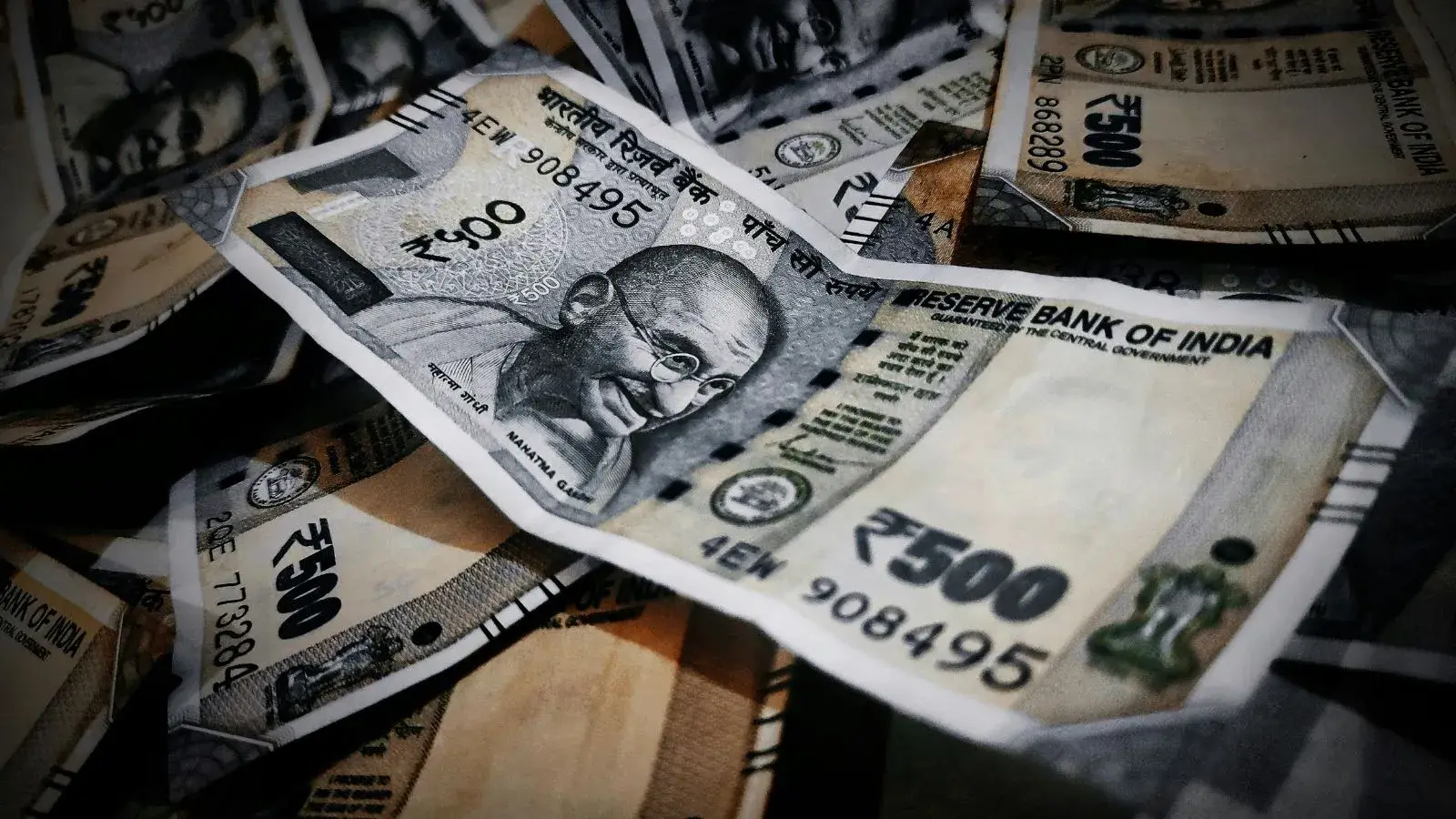
The Reserve Bank of India completed its latest long-tenor bond auction, accepting ₹109.83 billion for the 2076 tranche and ₹169.9 billion for the 2040 tranche. Due to high institutional oversubscription on e-Kuber, the RBI implemented a 12.41% partial allotment on one 2076 bid and a 99.76% partial allotment on two 2040 bids.
The central bank absorbs ₹279.73 billion across two long-tenor sovereign debt offerings amid heavy institutional oversubscription on the e-Kuber system.
MUMBAI — The Reserve Bank of India (RBI) concluded its dual-tranche sovereign debt sale today, implementing partial allotments on select bids due to robust institutional demand for ultra-long-term government securities. According to real-time transactional releases dispatched from the central bank's depository desk, the sovereign debt issuance drew strong oversubscription across both the 2040 and 2076 maturity segments.
The auction outcome is highly significant for institutional debt markets today, as it reveals robust corporate and long-term investor appetite for long-duration government paper, allowing the center to lock in capital requirements amid changing systemic liquidity dynamics.
High Oversubscription Dynamics at the 2076 Bond Sale
Data from the central bank showed that the ultra-long 2076 bond auction experienced substantial investor interest, with primary dealers and institutional funds placing aggressive bids. The RBI received a total of 173 individual bids for the 2076 maturity tranche, representing an aggregate demand of ₹296.35 billion.
Faced with this heavy inflow of capital commitments, the monetary authority exercised strict yield discipline, ultimately accepting only 21 specific bids. This resulted in a final accepted allotment value of ₹109.83 billion. Due to tight bidding clusters near the cut-off threshold, the central bank implemented a partial allotment of 12.41% on exactly one bid to round out the targeted tranche supply.
Institutional Bidding Pressure on the 2040 Tranche
The intermediate long-tenor 2040 bond issuance witnessed an even higher concentration of competitive bidding volumes. Debt market participants submitted 279 separate bids for the 2040 tranche, offering a total of ₹629.38 billion to the central bank's primary dealer desk.
The Reserve Bank of India maintained a highly selective absorption rate for this specific security, accepting just four bids out of the 279 presented. This restricted acceptance pattern brought the total allocated amount for the 2040 security to ₹169.9 billion. To hit its precise structural funding target, the central bank executed a near-complete partial allotment of 99.76% across two bids at the clearing cutoff margin.
Implications for Debt Investors and Systemic Liquidity
The primary market metrics from today's long-tenor offerings reveal strong interest from long-term capital providers, including domestic life insurance corporations, provident funds, and pension trusts. These institutions regularly purchase ultra-long government paper to match their long-duration liabilities.
By limiting bid acceptances and executing fractional allotments on marginal bids, the RBI signaled to the market its reluctance to accept higher yields. Fixed-income analysts note that this aggressive pricing strategy helps stabilize the domestic sovereign yield curve, directly lowering borrowing costs for corporate issuers who price their private debt against these benchmark government securities.
Official Sources Section
The operational data, bid calculations, and partial allotment ratios published in this report are sourced from official market statements published on the core banking platform of the Reserve Bank of India. The auction was carried out electronically via the central bank's proprietary e-Kuber software framework, in alignment with government borrowing programs supervised by the Ministry of Finance.
Quote Section
"According to officials and operational statistics from the central bank, the primary market processing framework for long-duration tranches requires strict cutoff evaluations to maintain fiscal alignment with the scheduled central borrowing program."
Why It Matters
The strong oversubscription ratios recorded for both long-tenor sovereign papers demonstrate robust institutional liquidity and firm confidence in the domestic macroeconomic landscape. For commercial banks, mutual fund managers, and retail investors, the tight cutoff limits mean that secondary market yields for high-duration paper are likely to remain anchored. This dynamic ensures stable valuation baselines for institutional portfolios while keeping long-term corporate credit costs highly manageable.
Key Facts at a Glance
Total 2076 Allotment: The RBI accepted ₹109.83 billion across 21 bids out of ₹296.35 billion in total offers.
2076 Fractional Scale: A precise partial allotment of 12.41% was applied to a single marginal bid.
Massive 2040 Volume: Bidders flooded the 2040 tranche with ₹629.38 billion across 279 distinct bids.
2040 Limited Acceptance: Only 4 bids were approved for a final allocation total of ₹169.9 billion.
2040 Fractional Scale: A partial allotment of 99.76% was implemented across two competitive bids.
FAQ Section
Q1: What does a partial allotment mean in an RBI bond auction? A1: A partial allotment occurs when the total value of bids at the cut-off price exceeds the remaining amount the government intends to borrow. The central bank allocates a fractional percentage of the requested amount to specific bids to reach its exact target.
Q2: How much total demand did the 2040 bond auction attract? A2: The 2040 sovereign bond tranche attracted heavy demand, receiving 279 bids worth a total face value of ₹629.38 billion.
Q3: How many bids were accepted by the RBI for the 2076 ultra-long bond? A3: The RBI accepted 21 out of 173 bids submitted for the 2076 tranche, allocating a final total value of ₹109.83 billion.
Source: Reserve Bank of India G-Sec Auction Desk, Ministry of Finance Primary Markets Division