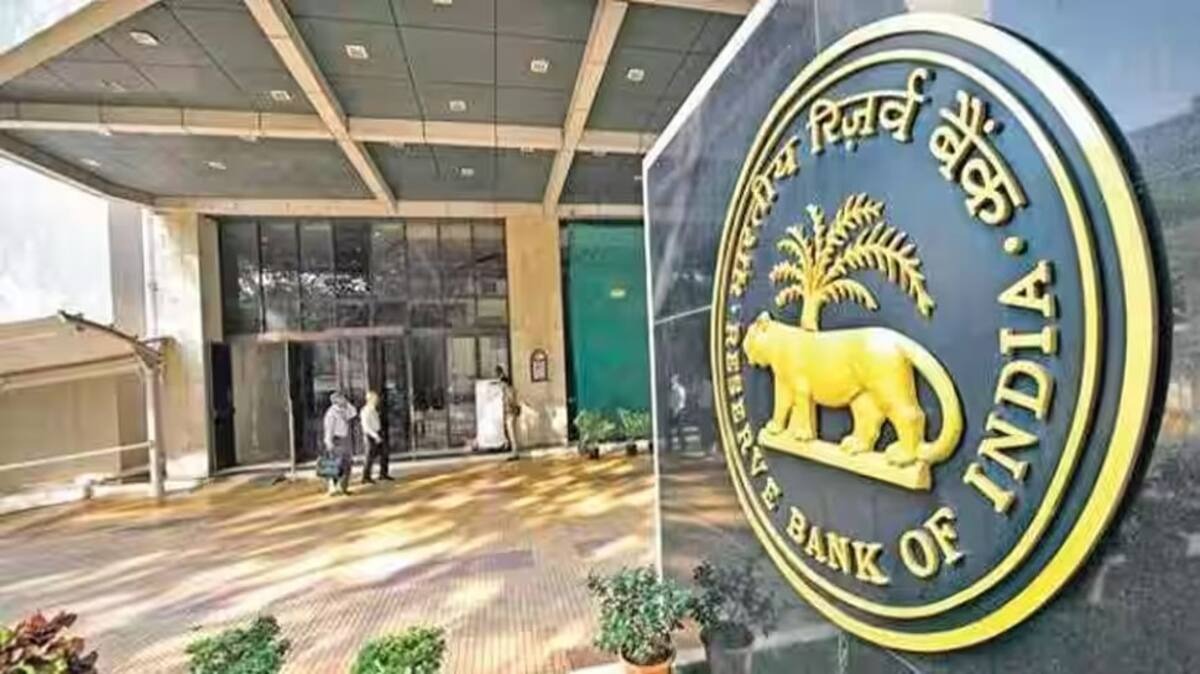
The Reserve Bank of India successfully auctioned 2036 government bonds, accepting ₹339.62 billion from ₹834.4 billion in total bids. With a partial allotment rate of 95.49%, the auction demonstrates strong institutional demand and central bank efforts to manage long-term yields within the 2026-2027 fiscal borrowing framework.
The Reserve Bank of India has successfully concluded its latest bond auction, navigating strong market demand to secure long-term government financing.
MUMBAI – The Reserve Bank of India (RBI) successfully completed an auction of government securities maturing in 2036, absorbing ₹339.62 billion from the market. The auction, conducted on July 3, 2026, saw significant investor interest, with the central bank receiving a total of 430 bids for an aggregate value of ₹834.4 billion.
To manage market liquidity and stabilize long-term yield curves, the central bank accepted 171 of the submitted bids. The auction process was characterized by a partial allotment rate of 95.49% for the successful bidders, reflecting the RBI's strategic approach to balancing fiscal requirements with prevailing market conditions.
Auction Dynamics and Market Response
The 2036 bond auction serves as a critical benchmark for the Indian debt market, providing long-term pricing signals for corporate and retail lending. The robust volume of bids received—nearly double the amount accepted—highlights continued appetite from institutional investors, including insurance companies, pension funds, and foreign portfolio investors, who are actively seeking long-tenure sovereign instruments.
Market participants noted that the RBI’s decision to accept roughly 40% of the total bids received underscores its commitment to maintaining orderly yields. By keeping the allotment selective, the central bank aimed to prevent excessive volatility in the long-end of the yield curve, which has been sensitive to recent inflationary trends and global monetary policy shifts.
Context of Government Borrowing
This auction is part of the government's broader borrowing program for the 2026-2027 fiscal year. The Ministry of Finance consistently uses these debt issuances to fund infrastructure development and bridge fiscal gaps. The 2036 maturity profile is particularly sought after by institutional buyers who require long-dated assets to match their long-term liabilities.
As the financial year progresses, the RBI continues to utilize open market operations and regular auctions to manage the systemic liquidity surplus. Recent data from the ClearCorp Dealing Systems (India) Ltd indicates that the market remains liquid, with significant participation from primary dealers who act as market makers for these government securities.
Official Sources
The data regarding the auction results was released through the Reserve Bank of India's official website and distributed to authorized market participants. The central bank's notice provided a detailed breakdown of the bid-to-cover ratio, the allotment percentage, and the final accepted amount, ensuring full transparency for bond market stakeholders.
Quote
"According to officials, the auction results align with the planned borrowing schedule and reflect stable market participation, notwithstanding current global interest rate fluctuations."
Why It Matters
For businesses and consumers, government bond yields are a primary driver of the broader interest rate environment. When the RBI manages successful auctions at stable yields, it prevents undue pressure on bank lending rates. For investors, the consistent availability of 2036-dated bonds offers a reliable instrument for managing long-term portfolio risk, while the high bid-to-cover ratio indicates robust underlying confidence in India's sovereign credit.
Key Facts at a Glance
Total Amount Accepted: ₹339.62 billion.
Total Bids Received: ₹834.4 billion.
Number of Bids Accepted: 171 out of 430 total bids.
Partial Allotment: 95.49% for successful bidders.
Security Maturity: 2036.
FAQ
Q: What is the significance of the 2036 bond maturity?
A: Long-dated bonds like those maturing in 2036 are essential for institutional investors like pension funds and insurance firms that need to hedge long-term liabilities.
Q: What does a partial allotment of 95.49% signify?
A: A high partial allotment percentage indicates that the RBI was able to meet most of the demand from successful bidders while maintaining the necessary control over the final volume accepted.
Q: How does the RBI auction process impact interest rates?
A: The yields determined at these auctions set the benchmark for government borrowing. If yields rise significantly, it often signals to the broader economy that interest rates may need to increase, impacting loans for individuals and businesses.
Source: Reserve Bank of India (RBI), Ministry of Finance, Clearing Corporation of India (CCIL)