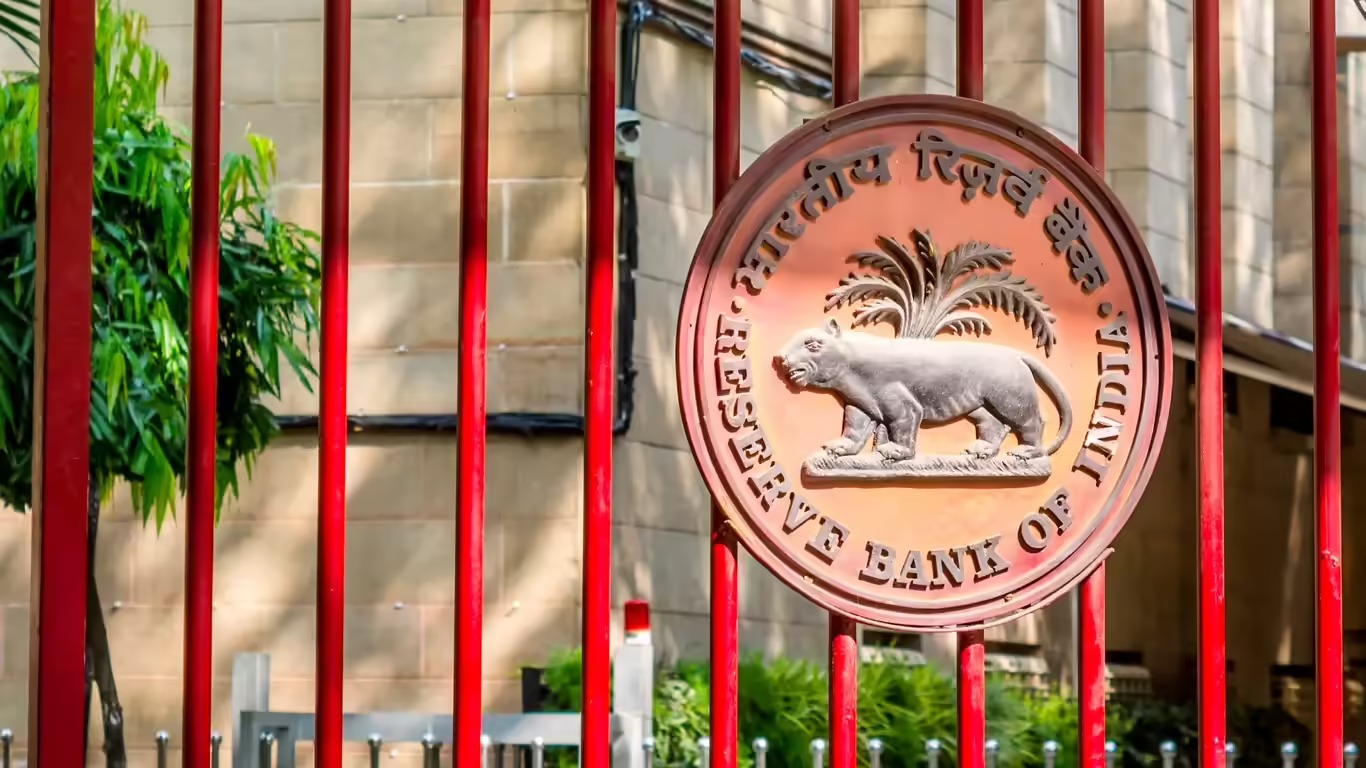
The Reserve Bank of India has imposed a ₹6.4 million monetary penalty on Bank of Baroda for overcharging interest beyond contracted rates in certain loan accounts. Concurrently, the central bank penalized GIC Housing Finance Limited for separate governance failures, intensifying systemic compliance across India's retail credit sectors.
MUMBAI — The Reserve Bank of India (RBI) officially announced on Friday, July 3, 2026, that it has imposed a monetary penalty of ₹6.4 million (₹64 lakh) on state-run lender Bank of Baroda. The dynamic regulatory action follows a supervisory audit which revealed that the commercial bank collected interest at rates higher than contracted from certain borrowers. Concurrently, the banking regulator has slapped an independent monetary penalty on GIC Housing Finance Limited for distinct regulatory compliance failures. The coordinated enforcement highlights the apex bank’s tightening oversight on credit pricing fairness and institutional governance.
Interest Discrepancies Trigger Financial Fines at Bank of Baroda
The enforcement order against the Mumbai-headquartered public sector lender stems from an intensive examination of its operational credit ledger. According to regulatory disclosures issued by the banking regulator, an internal audit and statutory inspection of Bank of Baroda’s accounts uncovered that the institution failed to adhere to explicit guidelines regarding the "Interest Rate on Advances."
In several active loan accounts, the bank breached standard credit parameters by overcharging interest margins. The micro-level tracking verified that the interest collected systematically exceeded the legally binding rate explicitly outlined inside individual customer loan agreement contracts. Additionally, the inspection revealed that the lender failed to inform multiple retail borrowers of upward benchmark interest rate adjustments before processing monthly automated clearings. By penalizing Bank of Baroda ₹6.4 million, the apex body signals an absolute intolerance toward micro-pricing non-compliance across commercial banking desks.
Systemic Governance Violations Enforced Against GIC Housing Finance
Running alongside the commercial banking enforcement, the Reserve Bank of India expanded its supervisory action into the non-banking financial company (NBFC) segment, penalizing GIC Housing Finance Limited. The regulatory action follows specialized supervisory findings compiled during regular inspections of the housing financier's macro balance sheet frameworks.
The structural penalties target specific deviations from the Fair Practices Code and internal governance guidelines. While the technical parameters are independent of Bank of Baroda’s interest issues, regulatory officials stated that the housing finance firm failed to maintain clear disclosures and failed to follow mandatory guidelines regarding risk-grading transparency in customer application forms. To protect consumer rights, the central banking regulator issued official show-cause notices to both entities before finalizing the penalties, confirming that neither institution could sufficiently justify their administrative failures during personal hearings.
Market Impact on Borrowers, Depositors, and Shareholders
The dual regulatory intervention carries immediate practical impacts for banking consumers, investors, and industrial financial desks:
For Loan Borrowers: The clear regulatory action sets a firm precedent, ensuring that commercial banks are legally compelled to refund any overcharged interest margins directly to corresponding loan accounts.
For Stock Investors: Near-term equity values on the National Stock Exchange of India (NSE) face minor operational sentiment headwinds, although the absolute financial values of the fines do not threaten core capital adequacy layers.
For Corporate Governance: The enforcement reminds the management of non-banking and housing finance networks to optimize compliance routines, reducing operational risk factors across consumer interfaces.
Official Sources Section
The underlying compliance metrics, legal sections, audit intervals, and executive penalties detailed in this banking review are sourced from:
Executive Statements
"The Reserve Bank of India has imposed a monetary penalty of ₹6.4 million on Bank of Baroda for non-compliance with certain directions on 'Interest Rate on Advances.' The statutory inspection revealed that the bank collected interest higher than the contracted rate of interest in certain loan accounts."
— Official Statement, Reserve Bank of India
"According to officials from the banking supervision division, these enforcement actions are based strictly on deficiencies in regulatory compliance and are not intended to pronounce upon the validity of any transaction or agreement entered into by the entities with their customers."
Why It Matters
The structural finalization of the dual financial penalties introduces wide-ranging real-world adjustments:
For Bank Customers: Consumers receive ironclad protection against arbitrary interest rate hikes, guaranteeing that floating-rate home and auto loans match pre-disclosed benchmark indices.
For Risk Officers: Financial institutions are forced to overhaul internal IT auditing systems, automating instant notifications to borrowers whenever floating lending rates shift.
For Financial Markets: Increased enforcement transparency reinforces the overall health of India's credit ecosystem, boosting foreign portfolio investment tracking.
Key Facts at a Glance
Bank of Baroda Fined: Fined ₹6.4 million (₹64 lakh) by the RBI over major retail credit pricing failures.
Overcharging Confirmed: Audit sweeps proved that the lender actively collected interest amounts that surpassed contracted customer agreements.
Housing Finance Hit: GIC Housing Finance faced simultaneous penalties for separate operational deviations from central bank codes.
Contracts Safe: The regulatory orders apply purely to administrative compliance gaps and do not cancel any active, pre-existing customer loans or deposits.
FAQ Section
Why did the RBI impose a fine of ₹6.4 million on Bank of Baroda?
The penalty was driven by serious compliance failures. Bank of Baroda was found to be collecting interest at rates higher than the contracted rate of interest in certain loan accounts and failed to systematically notify borrowers of interest rate changes.
Will this regulatory penalty affect everyday savings account holders or fixed deposits?
No. The RBI has formally clarified that these actions relate strictly to internal regulatory compliance lapses and do not alter, invalidate, or impact the safety of standard consumer deposits or pre-existing customer contracts.
What must banks do to avoid these specific interest overcharging penalties moving forward?
Commercial lenders are required to maintain transparent digital credit matching logs. They must ensure that all automated interest charges perfectly align with signed loan agreement papers and provide instant digital notices to clients whenever benchmark rates adjust.
Source: Reserve Bank of India Enforcement Registry, National Stock Exchange of India Corporate Data, BSE Listing Centre Compliance Files.