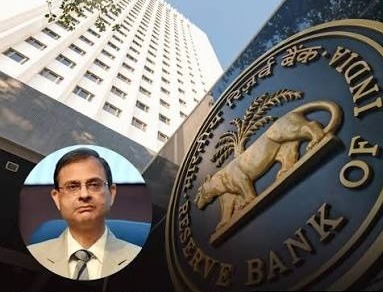
The Reserve Bank of India injected 750.03 billion rupees into the banking system during a 3-day VRR auction on Friday, July 17, 2026. Lenders aggressively sought funds, submitting bids worth 1,098.23 billion rupees due to tax outflows, forcing the RBI to enforce a 63.00% partial allotment at a 5.26% cut-off.
MUMBAI — The Reserve Bank of India (RBI) conducted a high-volume liquidity injection on Friday, July 17, 2026, revealing structural demand for short-term funds within the domestic commercial banking network. According to operational statistical results published by the central monetary authority, commercial lenders submitted bids worth 1,098.23 billion rupees against a notified transaction size of 750 billion rupees during the latest 3-day Variable Rate Repo (VRR) auction.
The heavy demand pushed the auction coverage ratio significantly above target levels, forcing the central bank to implement a partial allotment protocol of 63.00% at the final competitive cutoff. The transaction underscores the active liquidity management strategy deployed by the monetary authority to anchor interbank lending rates while balancing broad national credit growth requirements.
Interbank Cash Mismatches Drive Over-Subscription
The massive influx of commercial bids during Friday's 3-day Variable Rate Repo (VRR) auction points to short-term resource distribution imbalances across the banking sector. The RBI ultimately accepted and allotted bids worth 750.03 billion rupees, successfully matching its macro operational target while managing systemic cash volatility.
Market technicians recorded that the auction's final competitive cut-off rate settled firmly at 5.26%. Reflecting tight pricing alignment among major lenders, the overall weighted average rate for the accepted bids also matched the cut-off at 5.26%. Fixed-income dealers note that this level sits exactly 1% above the central bank’s baseline equity repo rate of 4.25%, demonstrating that financial institutions were willing to pay a premium to secure immediate liquid capital ahead of the upcoming weekend clearing cycle.
Corporate Tax Deliveries and Credit Loops Restrict Cash Flows
Fixed-income strategists suggest that the current demand for short-term central bank funding is driven by two main seasonal factors: quarterly corporate tax payments and continuous double-digit growth in bank credit. As retail and commercial businesses move substantial deposits into government accounts to clear state tax duties, the liquid reserves floating within day-to-day interbank channels drop significantly.
Furthermore, the rapid expansion of lending portfolios across infrastructure projects and manufacturing hubs keeps capital deployed long-term, limiting the excess reserves lenders hold for daily settlements. By stepping in with targeted short-duration operations like the 3-day Variable Rate Repo (VRR) auction, the monetary authority helps smooth out these temporary liquidity squeezes, keeping overnight call money rates from drifting too high above official monetary targets.
Official Sources Section
All tender applications, bidding volumes, allotment percentages, cut-off yield metrics, and weighted interest averages are cataloged according to operational market notices published by the monetary department of the Reserve Bank of India (RBI) and cross-verified via clearing logs managed by the Financial Benchmarks India Private Limited (FBIL).
Quote Section
"According to officials at domestic money market desks, the high subscription levels reflect standard mid-month clearing requirements," a senior fixed-income treasury head at a public sector bank stated. "With credit expansion remaining strong and government tax cash sitting outside immediate bank channels, these short-term interventions are essential to prevent unnecessary spikes in short-term treasury borrowing costs."
Why It Matters
The outcome of the central bank's short-term liquidity injection carries direct, practical implications across the financial system:
For Commercial Lenders: The partial allotment of 63.00% means some institutions must tap secondary windows, such as the premium Marginal Standing Facility (MSF), to bridge remaining overnight balances.
For Corporate Borrowers: Successful stabilization of short-term lending rates ensures that three-month commercial paper and short-term working capital loans remain predictably priced.
For Banking Consumers: Proactive central bank funding interventions ensure that everyday deposit institutions possess steady liquidity, minimizing the risk of disruptions to digital payment settlements or loan processing timelines.
Key Facts at a Glance
Bidding Volume: Commercial banks aggressively placed bids worth 1,098.23 billion rupees, exceeding the target by over 340 billion rupees.
Allotment Cap: The RBI strictly capped its market re-injection, allotting a total of 750.03 billion rupees.
Pro-Rata Cutoff: Bidders bidding exactly at the marginal price received a partial allotment of 63.00%.
Interest Pricing: The competitive cut-off rate and the weighted average rate both settled uniformly at 5.26%.
FAQ Section
What is a Variable Rate Repo (VRR) auction?
It is a short-term monetary tool utilized by the central bank to inject cash into the commercial banking system. Banks borrow funds by pledging government securities as collateral, helping manage temporary cash shortages.
Why was the 3-day Variable Rate Repo (VRR) auction over-subscribed?
The high demand stems from a seasonal reduction in active interbank cash, caused primarily by large outflows for corporate tax payments alongside sustained, robust expansion in commercial bank credit.
What does a partial allotment of 63.00% mean for participating banks?
It indicates that the demand for funds outstripped the central bank's target limit. Lenders who bid at the final cut-off price only received 63.00% of the cash volume they requested, requiring them to source the remainder through alternative interbank options.
Source: Reserve Bank of India (RBI) Market Operations Desk, Financial Benchmarks India Private Limited (FBIL), Ministry of Finance Treasury Operations Ledger.