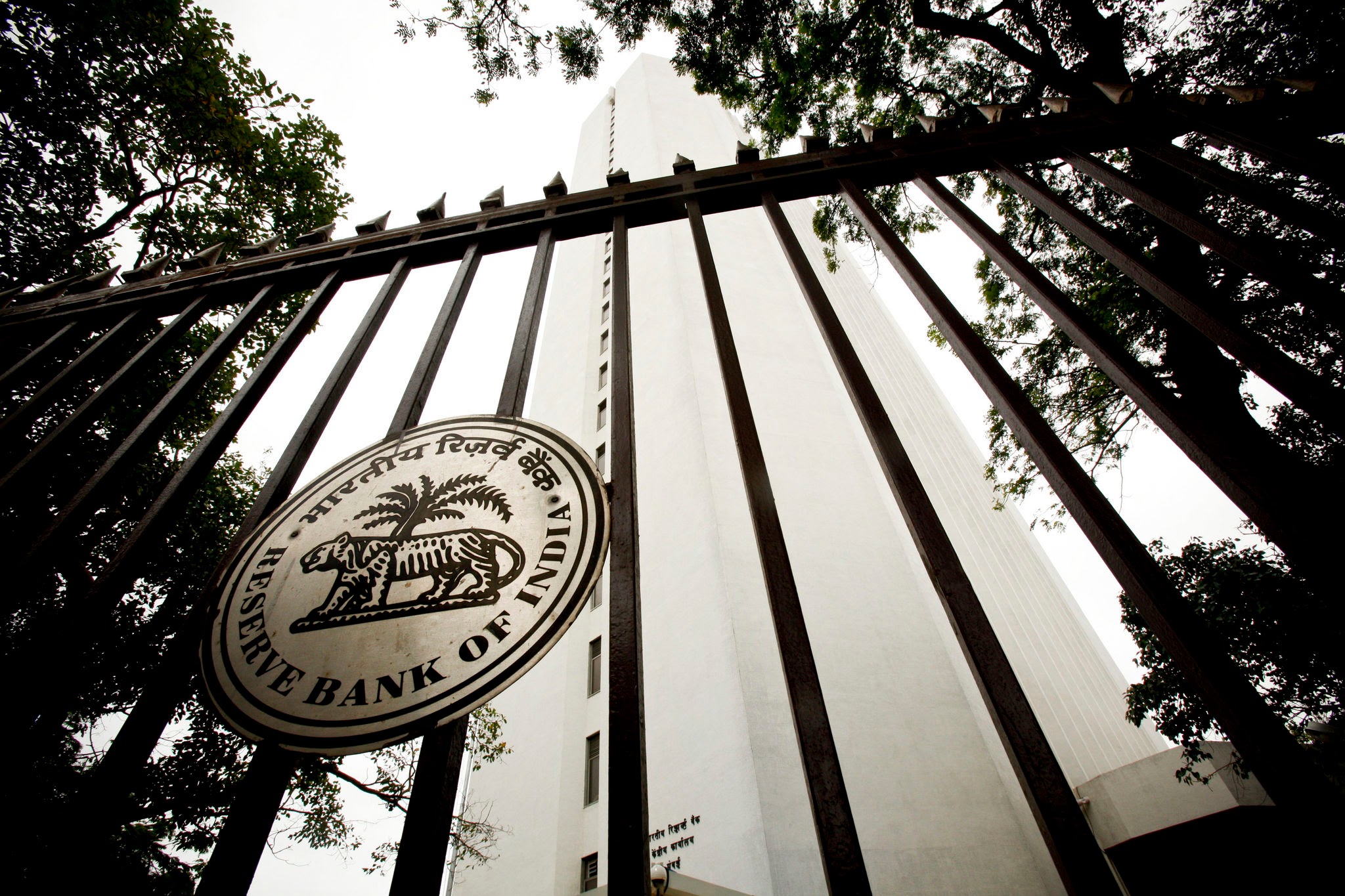
The Reserve Bank of India reported that commercial banks held Rs 8.57 trillion in cash balances as of August 3, 2026. Government surplus cash for auction was nil, while overnight MSF borrowing remained low at Rs 6.40 billion, pointing to stable money market liquidity conditions across the banking system
MUMBAI, India — The Reserve Bank of India (RBI) reported on August 4, 2026, that aggregate cash balances held by commercial banks stood at Rs 8.57 trillion ($102.5 billion) as of August 3, offering a clear snapshot of liquidity conditions across the Indian banking sector.
According to daily money market operations data released by the central bank, government surplus cash balances available for auction were recorded as nil on August 3. Meanwhile, RBI refinancing facilities provided to commercial lenders totaled Rs 129.80 billion, while emergency overnight borrowing through the Marginal Standing Facility (MSF) registered a modest Rs 6.40 billion.
These figures provide critical indicators for financial markets, money market traders, and institutional investors as the RBI Monetary Policy Committee (MPC) conducts its scheduled August policy review in Mumbai.
Detailed Breakdown of Banking Liquidity and Operations
The liquidity data released by the central bank outlines how scheduled commercial banks managed their operational funding requirements at the start of the month. The Rs 8.57 trillion cash balance reflects mandatory Cash Reserve Ratio (CRR) deposits alongside additional liquidity buffers maintained by commercial institutions at the central bank.
The absence of government surplus cash balances for auction indicates that federal treasury funds were fully deployed or held in designated reserve accounts, preventing temporary liquidity injections via treasury buybacks or variable rate repo auctions.
Marginal Standing Facility and Refinance Trends
The report noted that commercial banks accessed Rs 6.40 billion via the Marginal Standing Facility (MSF) on August 3. The MSF serves as an emergency window allowing banks to borrow overnight funds against government securities at a rate higher than the policy repo rate.
The small volume of MSF borrowing demonstrates that overall systemic liquidity remains largely adequate, with only minor localized shortfalls among individual lenders. Furthermore, the Rs 129.80 billion standing refinance utilization highlights ongoing usage of specialized central bank credit windows, including sector-specific liquidity facilities for export and primary dealers.
Context and Financial Sector Implications
The liquidity disclosures arrive as money markets evaluate short-term interest rate trajectories. When systemic liquidity is stable, interbank call money rates hover near the central bank's policy repo rate, reducing volatility across commercial borrowing costs.
Operational Impacts Across Stakeholders
Commercial Banks and Treasury Desks: Stable cash reserves allow treasury managers to calibrate daily lending rates without facing sudden spikes in overnight funding costs.
Corporate Borrowers: Predictable liquidity conditions prevent sharp increases in short-term commercial paper and certificate of deposit yields.
Fixed Income Investors: Money market yields remain anchored, preserving valuation stability for liquid funds and short-term debt instruments.
Official Sources Section
The financial statistics and money market data have been compiled directly from official regulatory releases published by the central bank:
Daily Money Market Operations and Liquidity Reports released by the Reserve Bank of India (RBI).
Federal treasury cash deployment updates monitored by the Ministry of Finance.
Sovereign benchmark yield and liquidity trackers compiled by the Financial Markets Regulatory Authority.
Official Statement
According to officials from the central bank's financial markets operations department, liquidity management operations are continuously monitored to maintain orderly conditions in short-term money markets.
Officials stated that the central bank remains prepared to conduct fine-tuning operations, including variable rate repo (VRR) or variable rate reverse repo (VRRR) auctions, to align systemic liquidity with overall monetary policy objectives.
Why It Matters
Monitoring bank cash balances and central bank liquidity windows provides insight into the health of the monetary transmission mechanism. Adequate liquidity ensures that commercial banks can meet daily credit demands from businesses and consumers without encountering funding friction.
For retail consumers, steady liquidity conditions support consistent interest rates on home loans, personal credit, and business funding facilities.
Key Facts at a Glance
Banks' Cash Balances: Registered at Rs 8.57 trillion on August 3, 2026.
Government Surplus: Recorded at nil for auction purposes.
Refinance Facility Usage: Totaled Rs 129.80 billion.
MSF Borrowing: Stood at a low Rs 6.40 billion, confirming overall system stability.
Market Significance: Indicates balanced interbank liquidity ahead of central bank policy updates.
Frequently Asked Questions (FAQ)
What are banks' cash balances with the RBI?
Banks' cash balances represent funds held by commercial banks in their accounts with the central bank to satisfy statutory Cash Reserve Ratio (CRR) requirements and maintain daily operational liquidity.
What does a 'nil' government surplus balance mean for auctions?
A 'nil' government surplus cash balance for auction indicates that the central government has no excess cash deployed for temporary market auctions through the central bank on that specific date.
What is the Marginal Standing Facility (MSF)?
The Marginal Standing Facility is an emergency overnight borrowing window offered by the RBI, enabling commercial banks to borrow funds against government securities at an interest rate above the policy repo rate.
How do these liquidity figures affect retail interest rates?
When central bank liquidity figures reflect adequate money market balance, short-term borrowing costs remain stable, helping keep interest rates on consumer loans and fixed deposits predictable.
Source: Official money market releases published by the Reserve Bank of India (RBI), treasury tracking disclosures from the Ministry of Finance, and debt market data from the Fixed Income Money Market and Derivatives Association of India (FIMMDA).