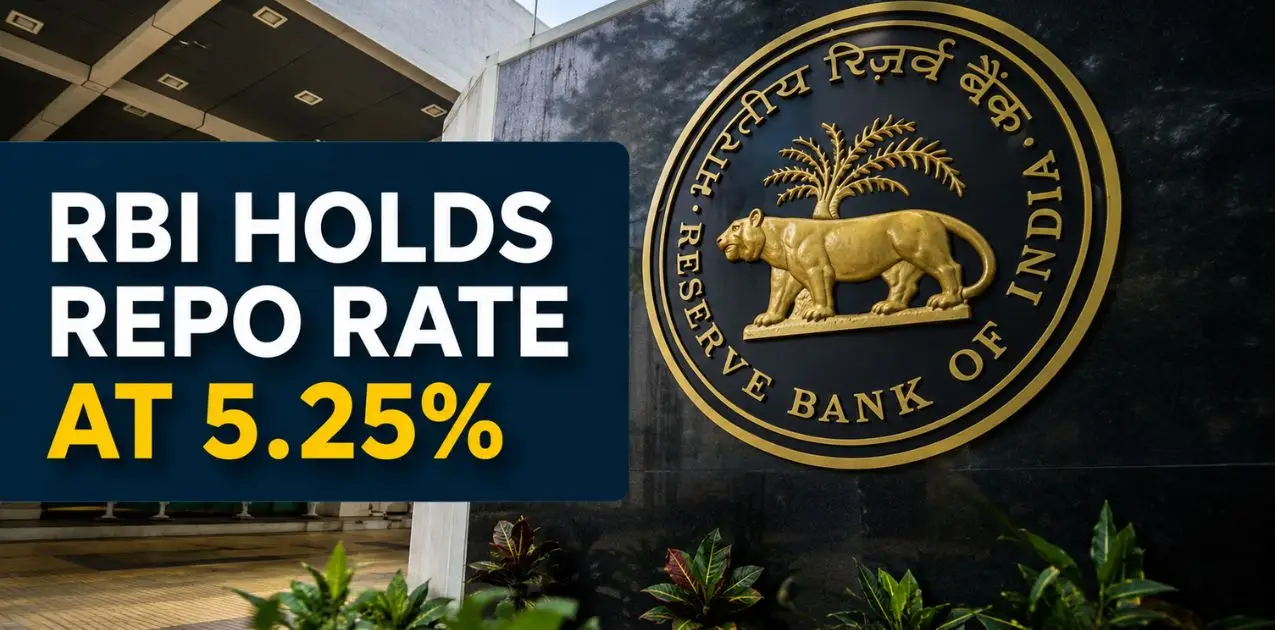
The Reserve Bank of India reported commercial banks' cash balances at 7.92 trillion rupees as of August 4, 2026. Official liquidity updates showed government surplus cash for auction was nil, refinance facilities reached 118.60 billion rupees, and banks borrowed 3.45 billion rupees via the Marginal Standing Facility.
MUMBAI — Commercial bank cash balances maintained with the Reserve Bank of India reached 7.92 trillion rupees ($94.8 billion) as of August 4, 2026, according to official liquidity operational figures released by the central bank today. The Reserve Bank of India reported that the central government's surplus cash balance available for market auction stood at nil on the same date, while total refinancing extended to financial institutions reached 118.60 billion rupees. Furthermore, commercial lenders borrowed 3.45 billion rupees through the central bank’s overnight Marginal Standing Facility, reflecting tight overnight liquidity management across the banking framework.
RBI Liquidity Data Highlights Banking System Cash Position
The central bank's daily money market operation update tracks the overall systemic liquidity available within the Indian banking system. Commercial bank cash balances standing at 7.92 trillion rupees provide the foundation for meeting mandatory cash reserve ratio requirements and supporting daily clearing settlements across payment networks.
The latest liquidity snapshot highlights a stable balance sheet position for commercial lenders navigating quarterly credit demands and tax payout cycles. Maintaining robust cash balances at the central bank ensures that banks retain adequate operational buffers to meet interbank settlement obligations without triggering systemic stress in short-term money markets.
Government Surplus Cash Balances and Refinance Operations
A significant indicator in the central bank's operational report was the nil surplus cash balance of the central government available for auction on August 4. When government cash reserves with the Reserve Bank of India drop or show no surplus for auction, it indicates that treasury inflows and tax receipts have been deployed toward public expenditure, state transfers, or ongoing capital projects.
To support sector-specific liquidity demands, the Reserve Bank of India provided 118.60 billion rupees under its standing refinance facilities. Refinance facilities allow targeted liquidity flows to financial institutions, commercial banks, and primary dealers against eligible collateral, ensuring uninterrupted credit distribution to key economic sectors including export financing and agriculture.
Marginal Standing Facility Borrowings and Money Market Dynamics
Commercial banks accessed 3.45 billion rupees via the Marginal Standing Facility on August 4. The Marginal Standing Facility serves as an emergency liquidity window through which scheduled commercial banks can borrow overnight funds from the Reserve Bank of India at an interest rate set above the policy repo rate, utilizing approved government securities beyond their regular Statutory Liquidity Ratio allowances.
The relatively modest borrowing amount of 3.45 billion rupees at the Marginal Standing Facility window demonstrates that overall overnight funding pressures remained contained across money markets, with most lenders satisfying daily cash requirements through regular repo operations or the interbank call money market.
Impact on Money Markets and Commercial Lenders
Monetary operations and liquidity disclosures directly influence short-term interest rates, commercial paper yields, and interbank borrowing costs:
Short-Term Interest Rates: Stable bank cash balances prevent sharp spikes in overnight call money rates, keeping short-term borrowing costs aligned with the central bank's policy target rate.
Treasury Management: Financial institutions monitor central bank liquidity releases to optimize yield management across Treasury bills, certificate of deposit issuances, and commercial paper portfolios.
Corporate Borrowing Costs: Well-managed systemic liquidity supports stable working capital interest rates for corporate borrowers across industrial and commercial sectors.
Official Sources Section
All statistical figures, daily liquidity operational metrics, Marginal Standing Facility utilization data, and central government balance statements reported in this article are derived directly from money market operational releases issued by the Reserve Bank of India.
Quote Section
"According to officials familiar with central bank treasury operations, 'Systemic liquidity conditions remain stable and orderly, with commercial lenders effectively utilizing standing windows to balance daily operational cash flows.'"
Why It Matters
Daily liquidity data published by the central bank provides crucial insight into the financial system's underlying cash availability, government spending patterns, and short-term interest rate stability. Monitoring these metrics allows institutional investors, treasury managers, and corporate borrowers to anticipate short-term money market interest rate trends and policy implementation steps.
Key Facts at a Glance
Banks' Cash Balances: Commercial banks maintained 7.92 trillion rupees with the central bank as of August 4, 2026.
Government Surplus Cash: Government surplus cash balance available for auction was recorded at nil.
Refinance Outlay: Central bank standing refinance facilities stood at 118.60 billion rupees.
Marginal Standing Facility: Lenders borrowed 3.45 billion rupees via the emergency overnight window.
FAQ Section
What are commercial banks' cash balances with the central bank?
They represent total cash reserves deposited by commercial banks at the central bank to meet statutory cash reserve requirements and manage daily interbank operational settlements.
What does a nil government surplus cash balance mean?
A nil government surplus cash balance for auction indicates that the central government has deployed its available treasury funds into public expenditure or state transfers rather than maintaining idle surplus funds at the central bank.
What is the Marginal Standing Facility (MSF)?
The Marginal Standing Facility is a liquidity window operated by the Reserve Bank of India that enables commercial banks to borrow overnight funds against government securities at a rate higher than the policy repo rate.
Where can market participants verify daily RBI liquidity figures?
Daily liquidity operations and money market statistics are published directly on the official portal of the Reserve Bank of India.
Source: Reserve Bank of India