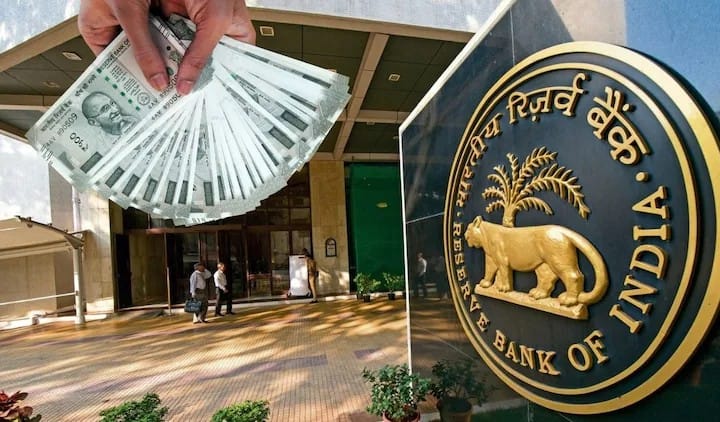
Official figures released by the Reserve Bank of India show bank cash balances reached 8.32 trillion rupees on August 28, 2026. Indian banks borrowed 3.58 billion rupees via the Marginal Standing Facility, while central bank refinance operations totaled 63.42 billion rupees amidst nil government surplus cash balances for auction.
MUMBAI — The Reserve Bank of India (RBI) released official money market operations figures on August 31, 2026, confirming that commercial bank cash balances stood at 8.32 trillion rupees ($8.32 trillion rupees) as of August 28, 2026. The central bank's statistical bulletin detailed liquidity adjustments, revealing that scheduled commercial banks borrowed 3.58 billion rupees through the Marginal Standing Facility (MSF), while total refinance operations reached 63.42 billion rupees. Concurrently, government surplus cash balances available for auction were recorded at nil for the reporting date.
Detailed Breakdown of Money Market Operations
The latest financial data published by the Reserve Bank of India provides a clear snapshot of systemic liquidity and short-term interbank demand. Bank cash balances maintained with the monetary authority totaled 8.32 trillion rupees on August 28, reflecting stable reserve conditions across the banking network.
The central bank's liquidity window data showed specific operational volumes:
Refinance Operations: Total refinancing extended by the India cenbank stood at 63.42 billion rupees, helping financial institutions manage sector-specific funding requirements.
Marginal Standing Facility (MSF): Indian banks borrowed 3.58 billion rupees via the MSF window on August 28 to meet overnight emergency liquidity needs at the ceiling rate of the liquidity adjustment facility corridor.
Government Cash Balances: The government surplus cash balance with RBI for auction was nil, indicating complete deployment or absorption of Treasury funds during the session.
System Liquidity Dynamics and Market Impact
The combination of an 8.32 trillion rupee cash reserve base and low single-digit billions in MSF borrowing indicates comfortable interbank liquidity. Treasury desks routinely monitor these figures to assess overnight call money rates, short-term commercial paper yields, and interbank lending conditions.
When government cash balances for auction remain at nil, central bank operations focus on maintaining short-term interest rates near the policy repo rate through fine-tuning repo or reverse-repo auctions if liquidity shifts unexpectedly.
Official Sources Section
According to official statistical releases from the Reserve Bank of India's Financial Markets Operations department, money market indicators are compiled daily to maintain financial stability and ensure efficient liquidity transmission across the banking sector.
Quote Section
"According to officials at the central bank, domestic liquidity conditions remain balanced, with routine facility usage under the Marginal Standing Facility and refinancing windows reflecting standard cash flow management by commercial institutions."
Why It Matters
Monitoring daily liquidity figures offers primary dealers, institutional investors, and treasury officers clear visibility into interbank funding costs. A stable aggregate cash balance of 8.32 trillion rupees prevents volatility in short-term interest rates, which directly influences borrowing costs for corporate debt issuers and commercial loans.
Key Facts at a Glance
Bank Cash Balances: Totaled 8.32 trillion rupees on August 28, 2026.
Refinance Total: India cenbank provided 63.42 billion rupees through standing refinance facilities.
MSF Window Usage: Scheduled commercial banks tapped the MSF for 3.58 billion rupees.
Government Auction Balances: Available government surplus cash balance was nil.
Frequently Asked Questions
What is the Marginal Standing Facility (MSF) used by Indian banks?
The MSF is an emergency liquidity window provided by the Reserve Bank of India that allows scheduled commercial banks to borrow overnight funds against government securities at a rate higher than the repo rate.
What do bank cash balances with the RBI signify?
Bank cash balances indicate the total liquidity reserves commercial banks maintain with the central bank to fulfill regulatory reserve requirements and settle daily interbank clearing obligations.
Why was the government surplus cash balance for auction nil?
A nil balance indicates that the central government had no excess unallocated cash reserves available for temporary repo auctions on that specific reporting day.
Source: Reserve Bank of India, Ministry of Finance