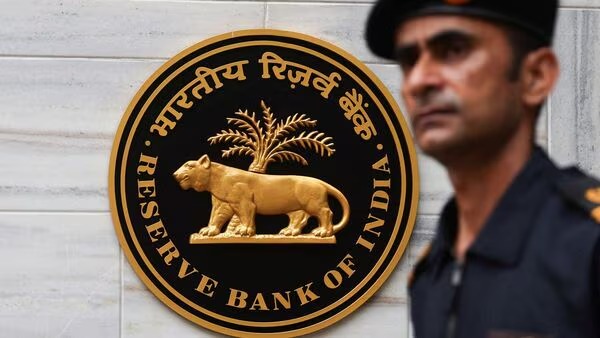
The Reserve Bank of India has overhauled its regulatory framework by consolidating over two decades of fragmented operational circulars issued under the Foreign Exchange Management Act, 1999 (FEMA). The streamlined update shifts cross-border trade toward an automated, bank-led compliance model, reducing transaction friction for global businesses.
MUMBAI, INDIA — June 24, 2026 — The Reserve Bank of India (RBI) has finalized a comprehensive restructuring of its operational rules under the Foreign Exchange Management Act, 1999 (FEMA). In a series of structural moves culminating this month, the apex bank has canceled scores of decades-old master directions, individual letters, and legacy operational circulars.
The extensive review aims to eliminate decades of fragmented regulatory buildup, shifting the country's cross-border commercial ecosystem toward a bank-led compliance model. By replacing complex regulatory compliance chains with unified guidelines, the central bank expects to accelerate processing times for inward and outward cash flows while lowering frictional transaction overhead for small and mid-scale enterprises.
The Shift from Fragmented Clauses to Unified Guidelines
For over twenty years, commercial banks—acting as Authorised Dealers (ADs)—and corporate entities had to cross-reference multiple historical circulars to handle international payments, merchanting trade, and service invoicing. The new central architecture integrates these independent frameworks under the Foreign Exchange Management (Export and Import of Goods and Services) Regulations.
According to official operational guidelines published by the apex regulator, the overarching updates introduce key structural improvements across several core areas:
Consolidated Documentation: The new system supersedes individual guidelines spanning back to the year 2000, bringing software, services, and physical merchandise tracking into a single rulebook.
Decentralized Banking Oversight: Authorised Dealer Category-I banks are given broad powers to approve write-offs, resolve non-realization events, and manage delayed payments without seeking case-by-case clearance from the central bank.
Standardized Digital Turnaround: The rules mandate that financial institutions log trade parameters into central digital monitoring systems within five working days of receiving physical documents.
Alongside trade restructuring, the updates match the recent Foreign Exchange Management (Non-debt Instruments) changes rolled out by the Ministry of Finance. Those parallel changes widen definitions for international investors while enforcing strict divestment deadlines for cross-border asset breaches.
Broader Structural Impact on Corporate Trade Logistics
The removal of fragmented circulars fundamentally changes daily logistics for Indian businesses dealing with global partners. Under the historical framework, minor invoice discrepancies or unexpected transit delays often required complex bureaucratic waivers. The updated approach allows local bank branches to accept rationale declarations directly from exporters for invoice reductions up to specified thresholds, significantly reducing compliance bottlenecks.
Furthermore, the guidelines extend the realization timeline for trade transactions invoiced or settled in Indian Rupees (INR) up to 18 months, boosting the government's long-term plan to internationalize the national currency. However, to protect financial networks from potential systemic abuse, the central bank mandates that any doubtful transactions or unresolved reporting failures must be immediately flagged to the Directorate of Enforcement (DoE).
Official Sources Section
The operational provisions, schedules, and superseded circular lists are detailed across regulatory updates published via the Reserve Bank of India notification portal. These changes operate alongside complementary enforcement rules supervised by the Ministry of Finance and the Securities and Exchange Board of India.
Quote Section
"According to officials familiar with the regulatory review, the consolidation removes overlapping requirements that have accumulated since the turn of the century, moving India closer to a modern, automated, and principle-based trade monitoring environment."
Why It Matters
For domestic manufacturers and service providers, this regulatory cleanup removes unpredictable administrative delays when securing international payments. For global institutional investors, the streamlined rules offer greater legal certainty, ensuring that cross-border capital allocations face less bureaucratic friction.
Key Facts at a Glance
Regulatory Focus: Complete consolidation of historical trade, export, and import circulars under FEMA, 1999.
Extended Settlement Window: Realization deadlines are stretched out to 18 months for cross-border trade settled in Indian Rupees.
Digital Integration Mandate: Authorised banks must log all transaction characteristics into central trackers within five business days.
Enhanced Banking Power: Local AD banks receive expanded jurisdiction to settle outstanding entries, write-offs, and minor valuation differences directly.
FAQ Section
Why did the Reserve Bank of India choose to cancel these historical circulars?
The review was executed to clean up a fragmented regulatory landscape built over 25 years. Consolidating these scattered instructions into a unified rulebook improves administrative clarity and supports the ease of doing business.
How do these updated rules affect small-scale exporters and importers?
Small business owners no longer need to navigate multiple regulatory filings or wait for direct approvals from the central bank for minor invoice adjustments, as local commercial banks now hold the authority to clear genuine transactions.
Where can businesses review the full list of canceled or modified FEMA circulars?
The complete master list of superseded directions and matching transition procedures is available on the official investor and compliance portals of the Reserve Bank of India.
Source: Reserve Bank of India, Ministry of Finance, Securities and Exchange Board of India