




Loading market data...
ADVERTISEMENT

Latest Top News
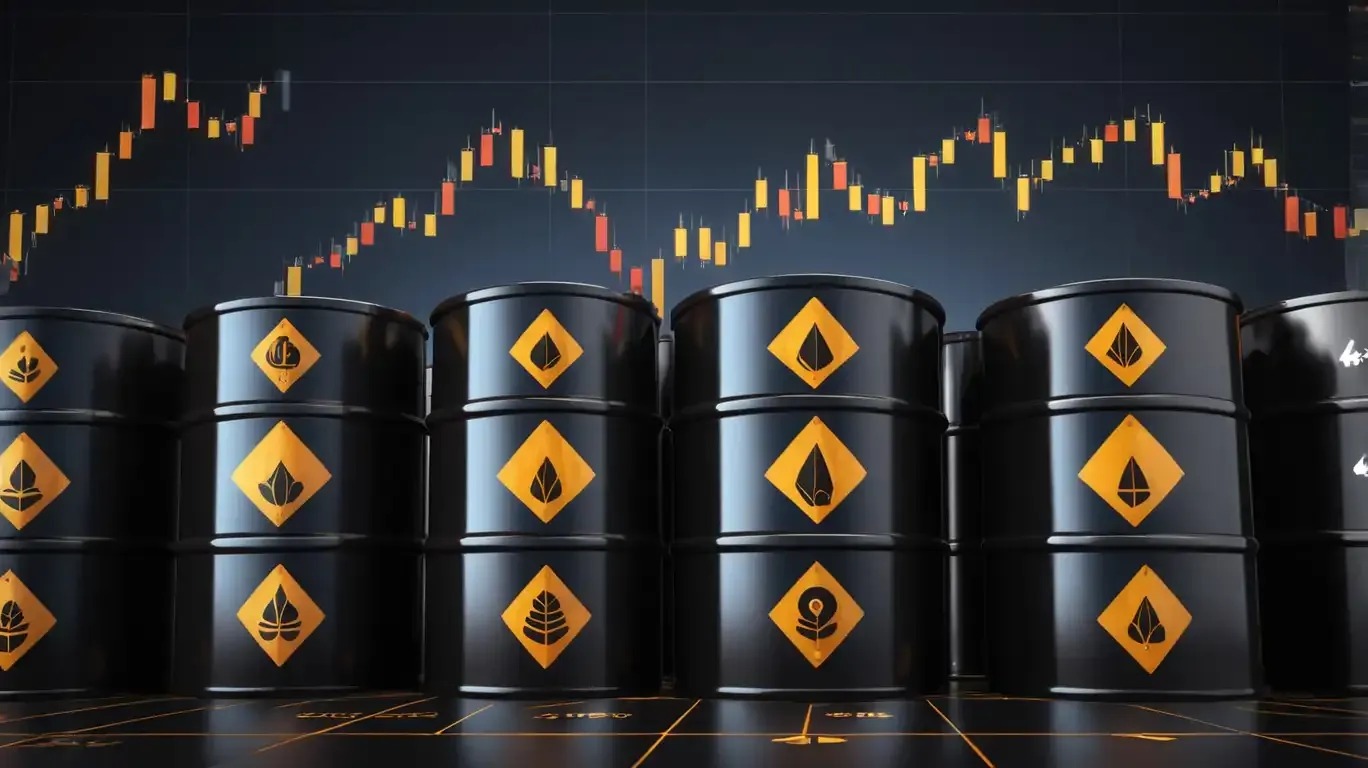
RBI Urges Proactive Measures To Shield Economy From Oil Shocks
India’s government has clarified that oil purchases from Iran remain a techno-commercial decision of individual companies, not a matter of direct state intervention. Meanwhile, the Reserve Bank of India (RBI) emphasized that given India’s external dependence on crude oil, the evolving situation requires close monitoring and proactive measures.
Stay Ahead – Explore Now! India's Nifty 50 Index Reverses Early Losses, Climbs 0.4% in Morning Trade
ADVERTISEMENT

Latest Updates

Starlink New Satellite Tech Hits India National Se...
16 Jun 2026, 06:14 AM
SpaceX Rally Extends After Record-Breaking Wall St...
16 Jun 2026, 06:08 AM
Spain vs Cabo Verde Match Result Ends in Historic...
16 Jun 2026, 06:01 AM
Kikkoman Plans First India Soy Sauce Manufacturing...
16 Jun 2026, 05:58 AM
The Street Food Superhero: Puchkaman Scales 150% a...
16 Jun 2026, 12:11 AMADVERTISEMENT

Top Stories
Starlink New Satellite Tech Hits India National Se...
16 Jun 2026, 06:14 AM
SpaceX Rally Extends After Record-Breaking Wall St...
16 Jun 2026, 06:08 AM
Spain vs Cabo Verde Match Result Ends in Historic...
16 Jun 2026, 06:01 AM