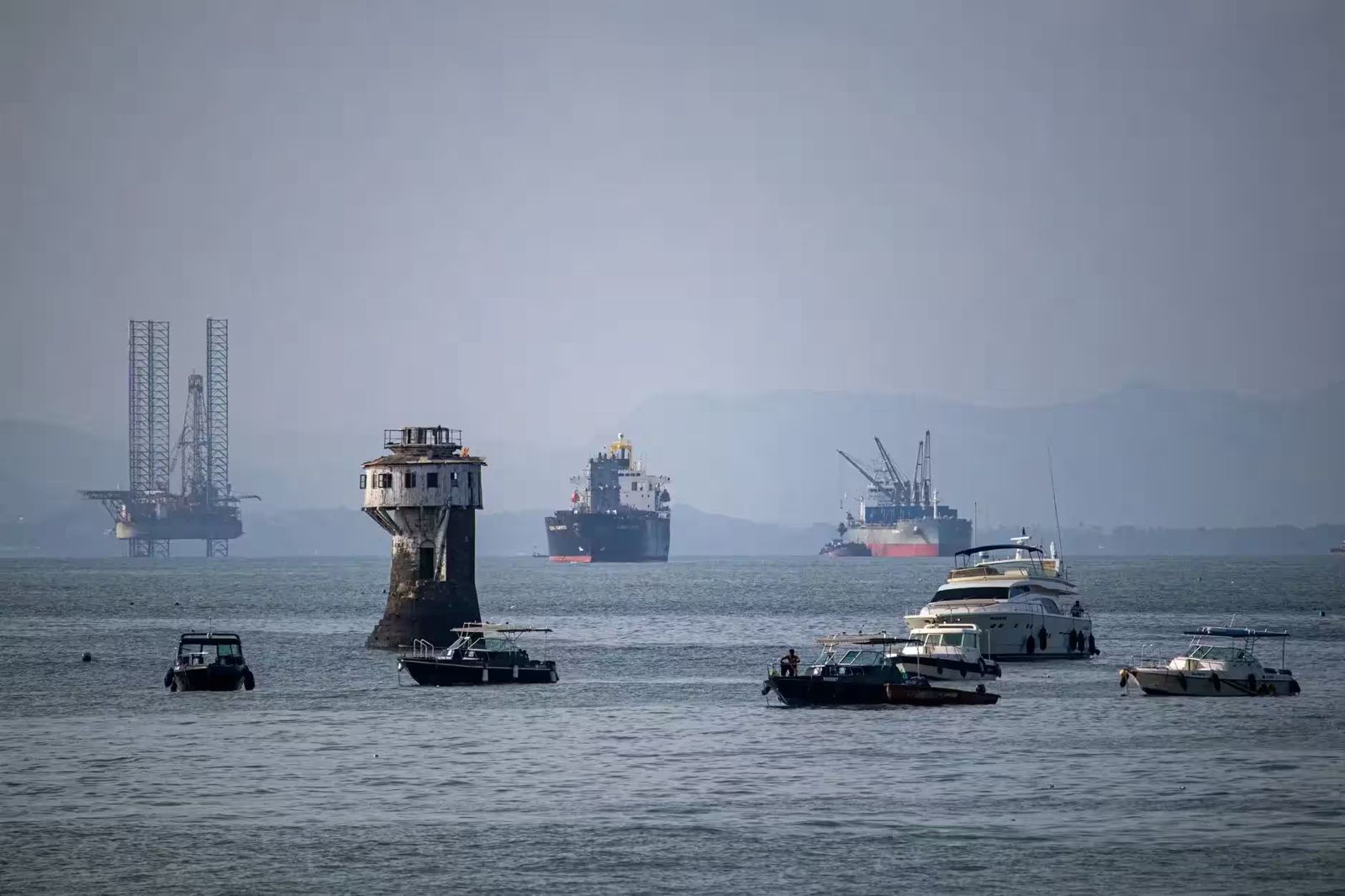
India’s extensive refining adaptability and diversified import logistics have positioned the nation to effectively absorb potential tariff shocks concerning Russian crude imports. According to official energy ministry assessments and market data, strategic terminal routing and technical flexibility protect domestic fuel security against mounting external trade pressures.
Backed by decades of technical adaptation, alternative maritime routing, and diversified supply channels, India's energy sector stands insulated against external regulatory headwinds.
As global energy markets navigate renewed geopolitical tensions and proposed legislative penalties targeting petroleum trade, New Delhi maintains that its domestic energy framework possesses robust structural cushions to absorb external shocks. Recent legislative initiatives in the United States, including the proposed imposition of substantial tariffs on nations purchasing Russian energy, have brought India's crude sourcing strategy into sharp focus. However, according to strategic evaluations and policy notes from the Ministry of Petroleum and Natural Gas (MoPNG), Indian refiners have spent over a decade engineering the precise logistical flexibility required to neutralize sudden supply disruptions or tariff-driven pricing shifts.
Logistics, Fleet Routing, and Supply Flexibility
The core of India's resilience lies in the operational agility of its major refining complexes, which can pivot rapidly between various crude grades and maritime transport corridors. Rather than relying on singular, vulnerable transit chokepoints, domestic petroleum logistics have expanded across alternative maritime pathways.
Key structural safeguards shielding the domestic market include:
Multi-Terminal Distribution: Recent import expansions across regional terminals—such as those in Mundra and Vadinar—distribute cargo handling efficiently without overloading primary hubs.
Maritime Redundancy: Utilization of diversified ship-to-ship transfer protocols across international waters prevents any single regulatory bottleneck from halting incoming energy shipments.
Refinery Adaptability: Modern processing units are calibrated to seamlessly substitute crude grades from West Asia, Africa, and Latin America if regulatory compliance dictates sudden sourcing adjustments.
Economic Implications for Consumers and Investors
For domestic consumers, industrial manufacturers, and equity investors, maintaining uninterrupted fuel availability is paramount to controlling inflation and sustaining manufacturing output. Analysts note that while potential trade friction introduces short-term headline volatility, the deep integration of India's downstream refining sector into global product markets ensures that fuel supply chains remain stable. By balancing strategic autonomy with commercial pragmatism, the nation continues to safeguard retail fuel price stability against external trade shocks.
Why It Matters
National energy security directly dictates economic stability, manufacturing competitiveness, and household inflation rates for over a billion citizens. Demonstrating structural resilience against international trade penalties ensures that domestic economic growth remains insulated from foreign geopolitical volatility.
Key Facts at a Glance
Core Strategy: Diversified crude procurement coupled with multi-terminal maritime logistics.
Refinery Preparedness: Technical capability to shift feedstock grades rapidly across domestic processing plants.
Primary Objective: Securing affordable, uninterrupted fuel supplies to protect macroeconomic stability.
Regulatory Focus: Ongoing monitoring of international trade bills and secondary sanctions proposals.
FAQ Section
Why is India better positioned to handle potential oil tariff shocks?
India’s resilience stems from decades of technical upgrades in its refineries, allowing them to switch between different crude grades and maritime shipping routes with minimal friction.
How do alternative import terminals protect the domestic fuel supply?
By distributing incoming tanker shipments across multiple regional ports rather than relying on a single chokepoint, supply chains remain operational even under external pressure.
What role does the Ministry of Petroleum play in managing sanctions exposure?
The ministry actively coordinates maritime logistics and alternative routing protocols to pre-empt single-point vulnerabilities and ensure compliance continuity.
Where can stakeholders monitor official energy trade updates and data?
Verified reports, statistical releases, and policy clarifications are accessible directly through the Ministry of Petroleum and Natural Gas Portal and the Ministry of Commerce and Industry.
Source: Ministry of Petroleum and Natural Gas (MoPNG), Ministry of Commerce and Industry, The Hindu Energy Desk, Economic Times Energy Bureau